
How to Remove Blinds Without Guessing at the Brackets
Photograph the headrail, end hardware, mounting joint, and label; then match the correct horizontal, cellular, roller, or vertical removal method.
 targeter_site001
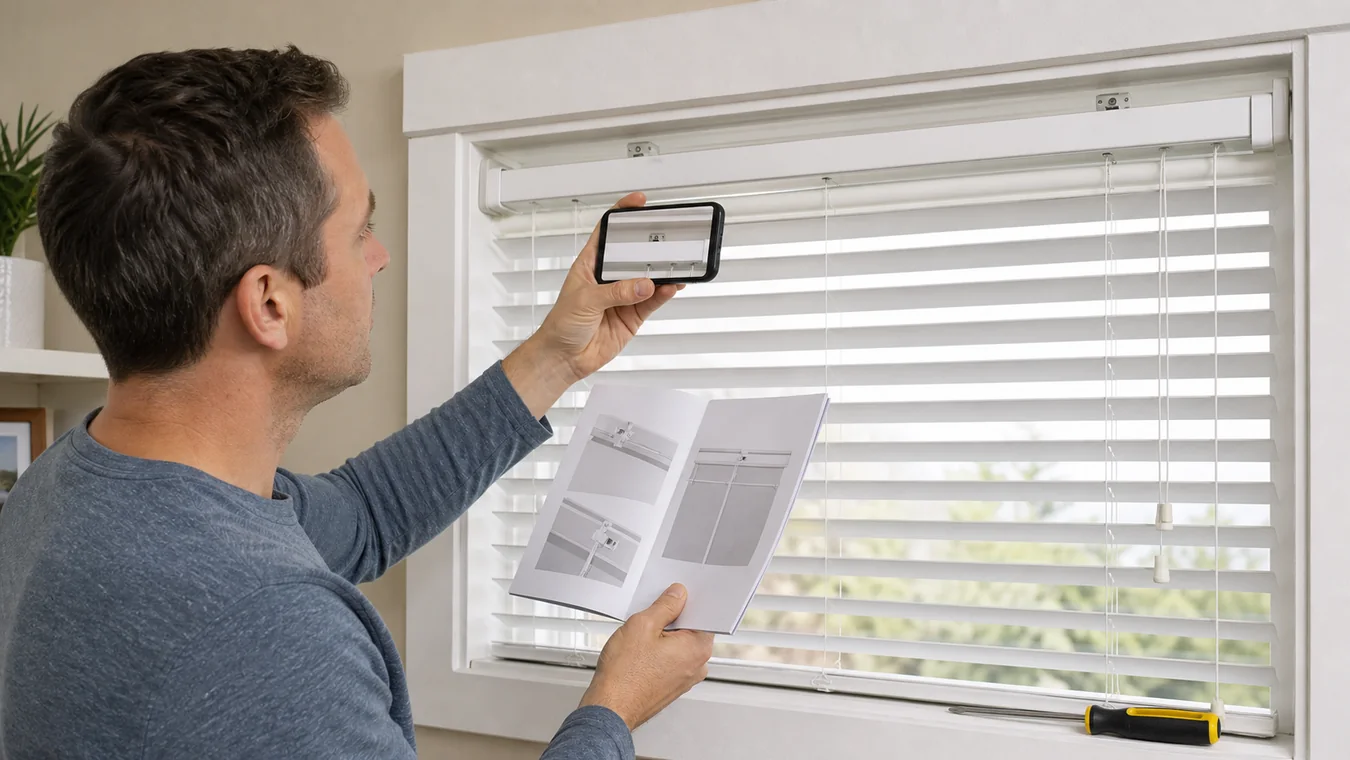
Photograph the headrail, end hardware, mounting joint, and label; then match the correct horizontal, cellular, roller, or vertical removal method.

Match surface dust, trapped debris, one spot, or recurring moisture to the exact fabric care rule before you vacuum, blot, or replace the shade.
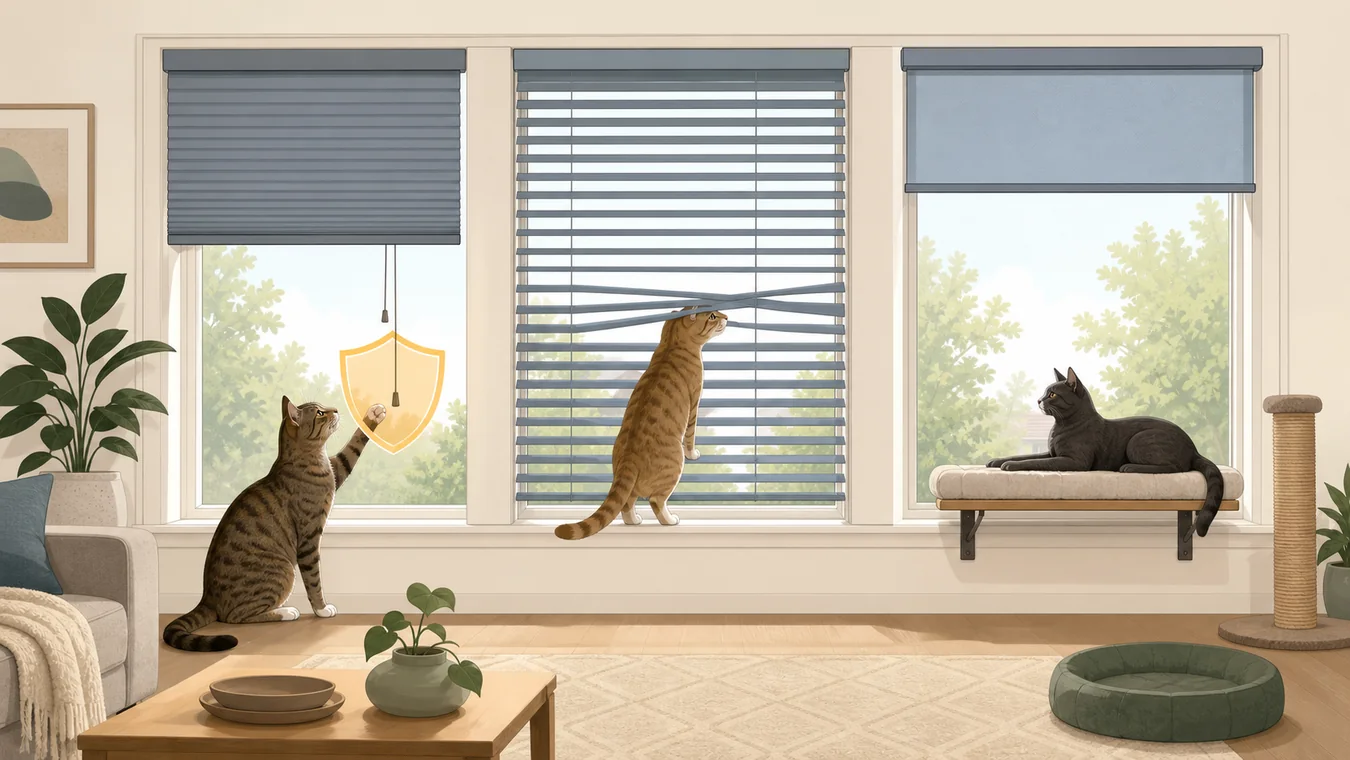
See how cord play, slat pushing, fabric scratching, chewing, and window-perch access change a cat-friendly blind or shade shortlist.
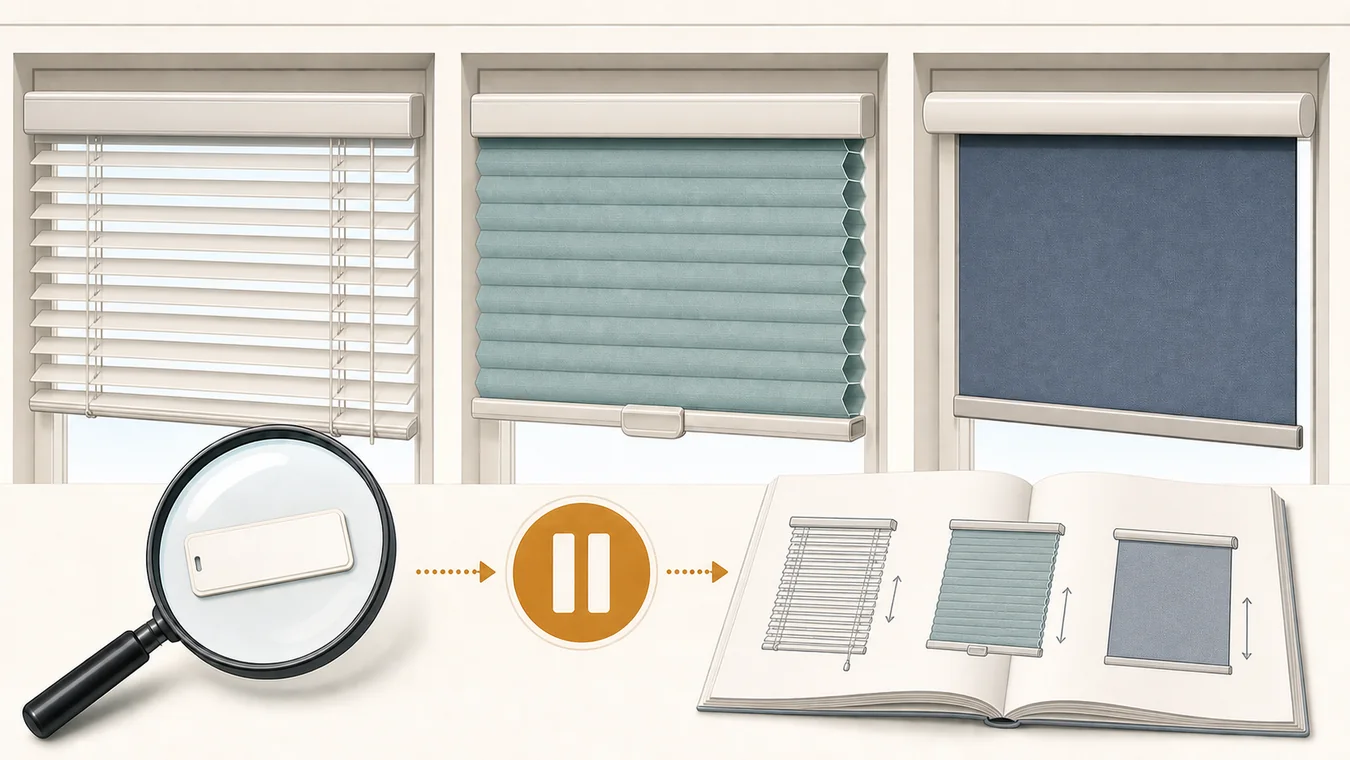
Identify a horizontal blind, cellular or TDBU shade, roller shade, or motorized unit, then use the correct documented first check instead of a universal reset.
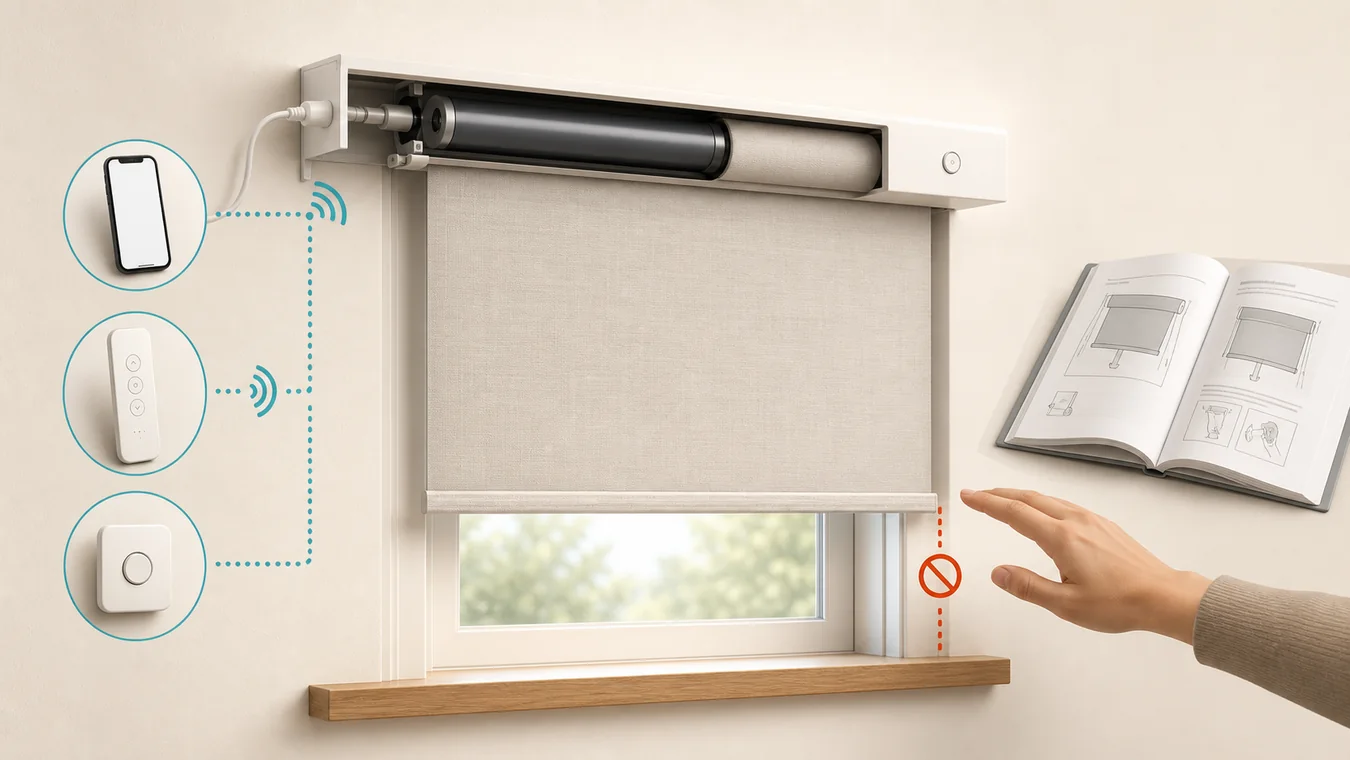
See what still works when the app, remote, power, battery, or motor fails – and how to verify a true manual override before touching the shade.
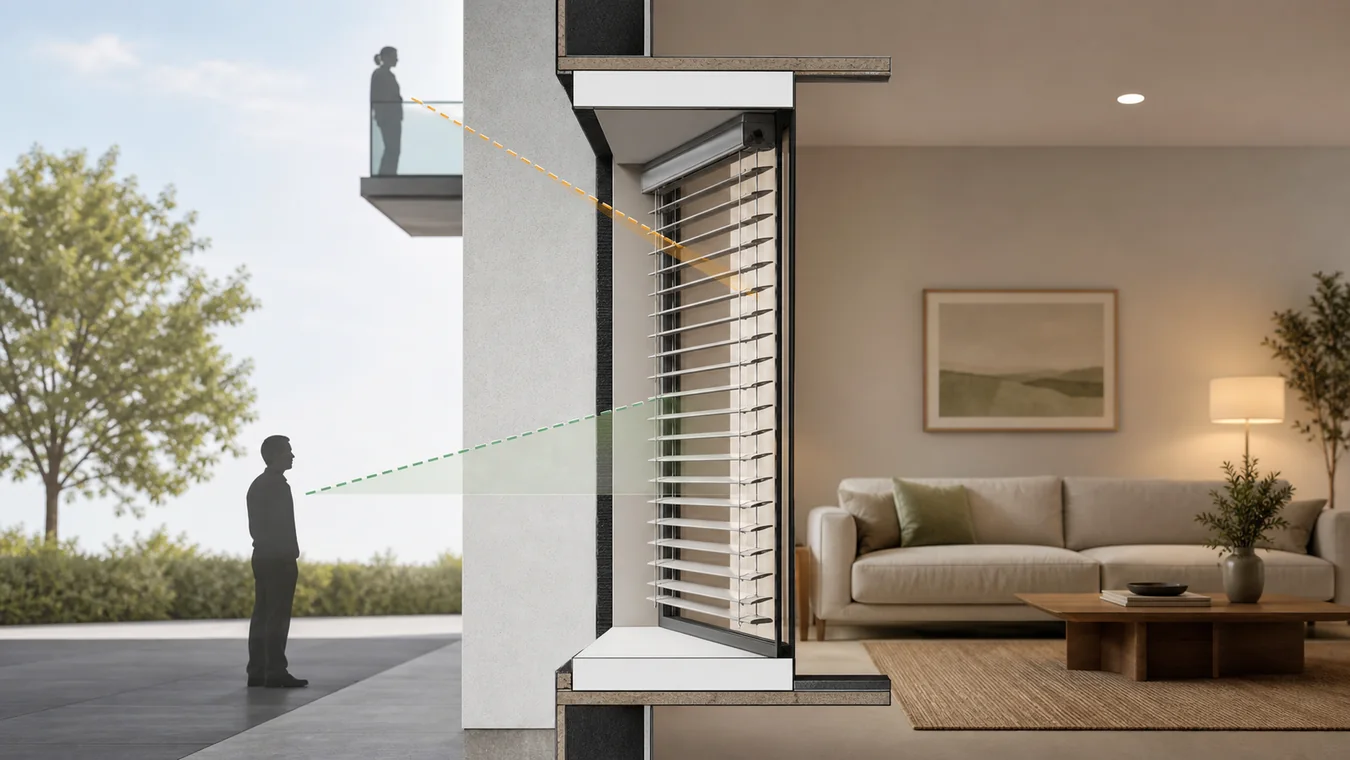
See which way to tilt horizontal blinds from street, same-level, or upper-floor sightlines—and catch route holes and night gaps before relying on them.
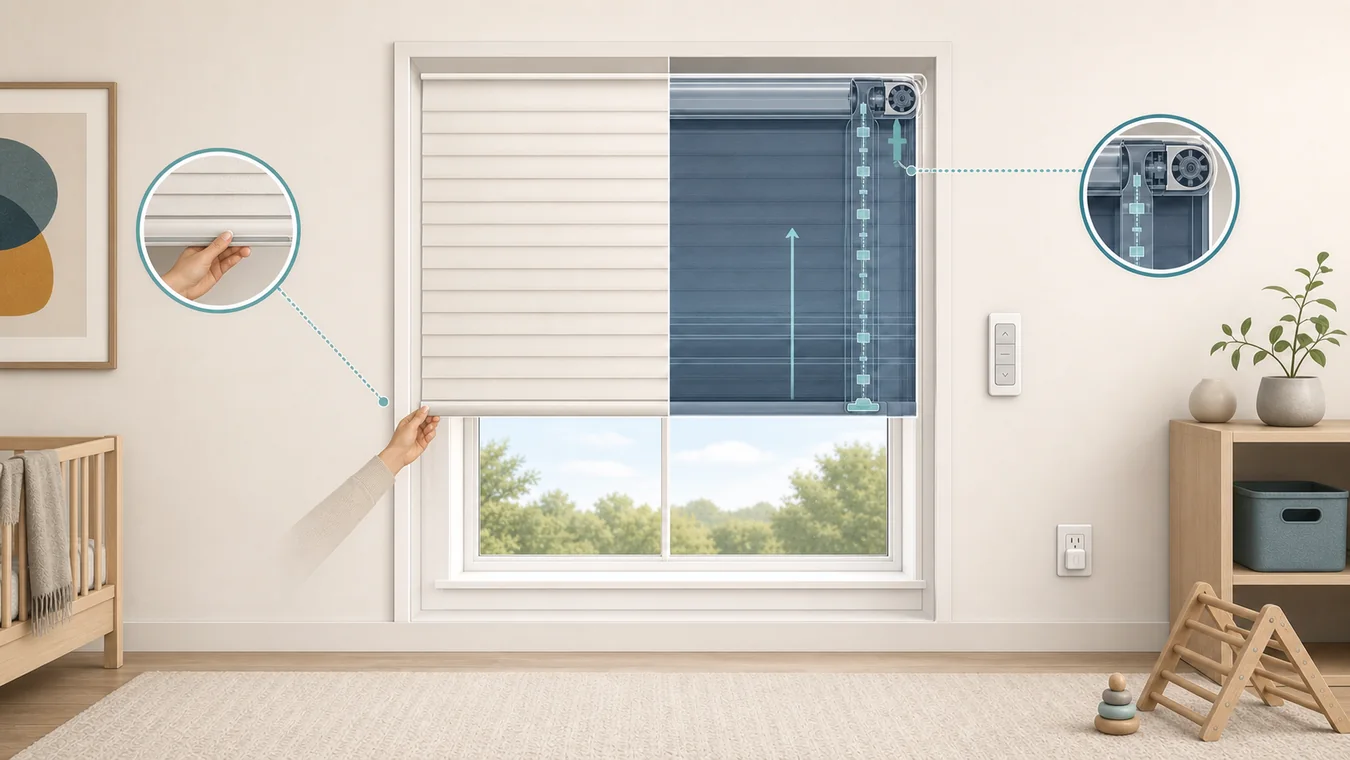
Check inner cords, product labels, room reach and manual-versus-motorized access before choosing cordless blinds for a home where children visit.
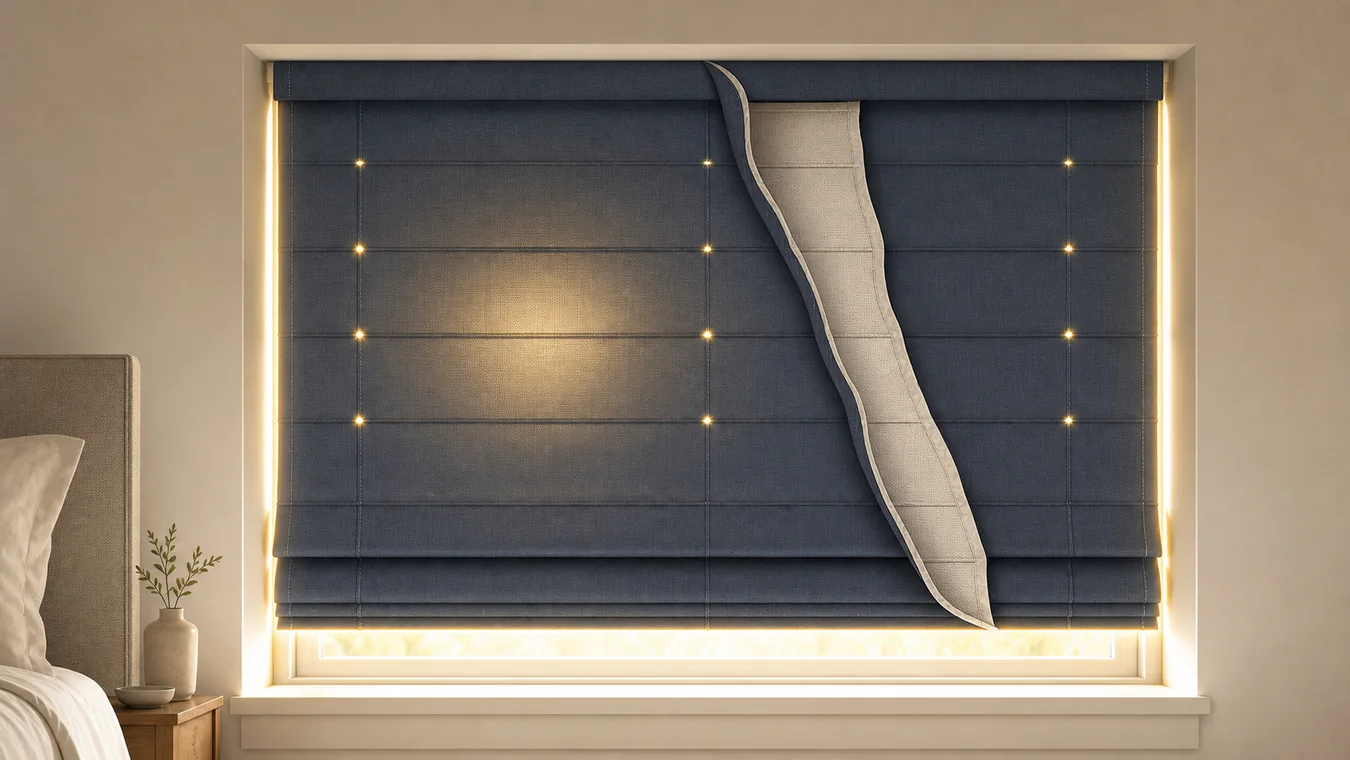
See why a blackout liner is only one part of a Roman shade. Audit fabric transmission, stitch points, edge coverage and controls before ordering.

Compare slatted blinds with fabric shades across daylight, night privacy, cleaning, insulation and motorization before you measure or buy.
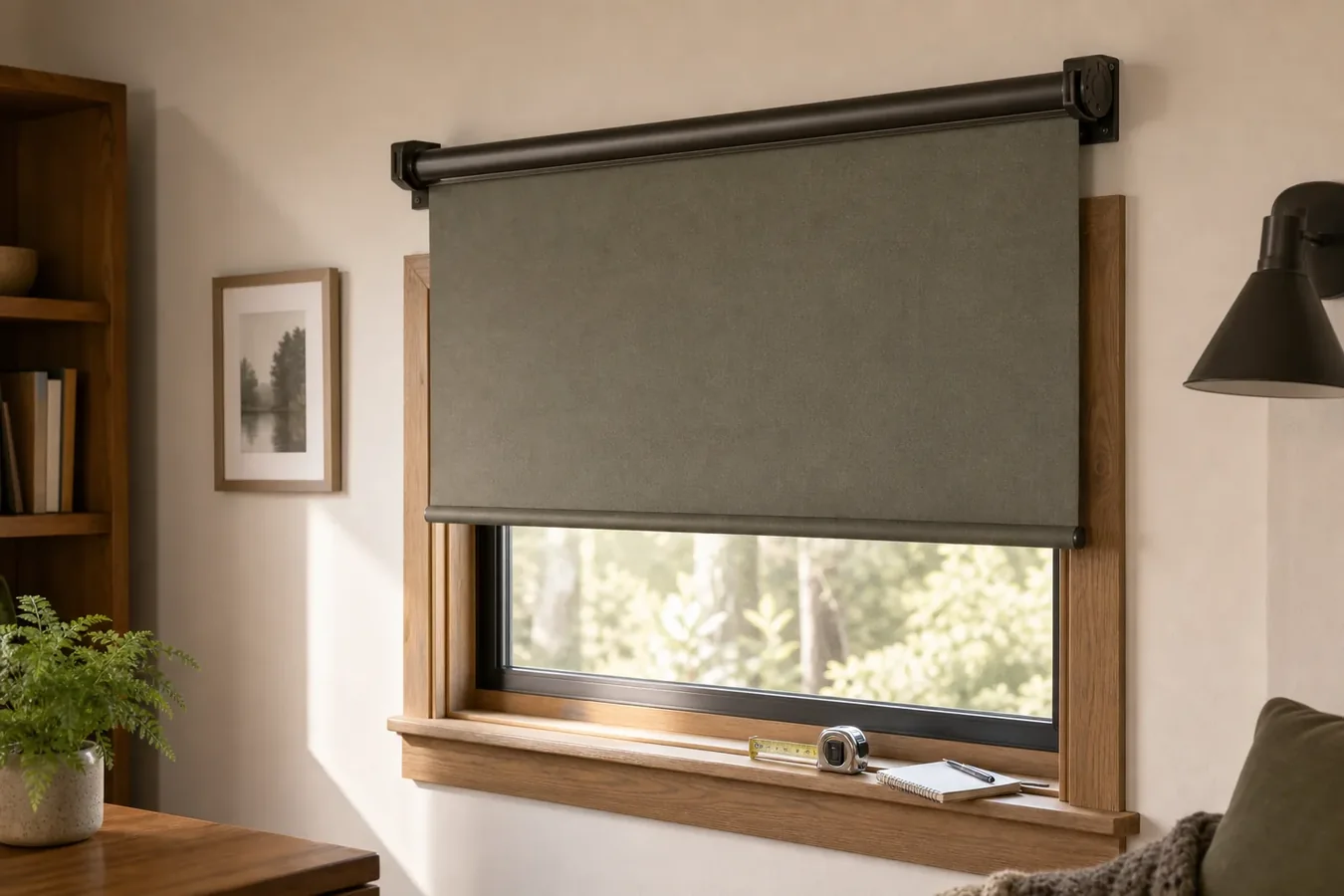
Plan outside mount roller shades from the fabric edges inward. Separate order width from cloth width, clear the trim, and catch motor-side conflicts.