
9/16 vs 3/4 Cellular Shades Need the Exact Stack Chart
Compare exact 9/16- and 3/4-inch cellular shades by headrail depth, height-specific stack, cell count, controls and named energy evidence.
 targeter_site001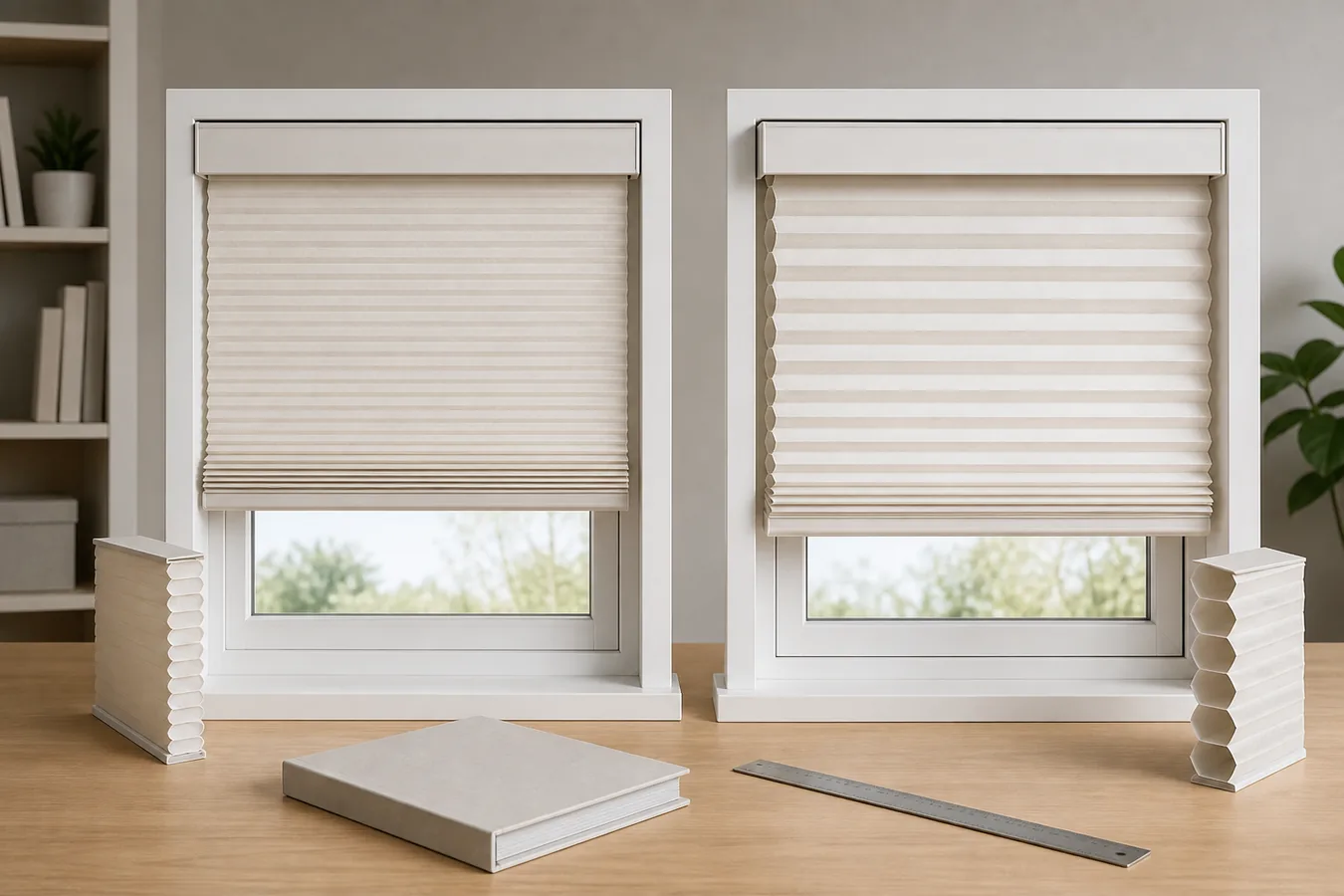
Compare exact 9/16- and 3/4-inch cellular shades by headrail depth, height-specific stack, cell count, controls and named energy evidence.

Identify the blind, headrail or roller-end interface, handed parts, mount direction and exact part number before buying replacement mounting brackets.
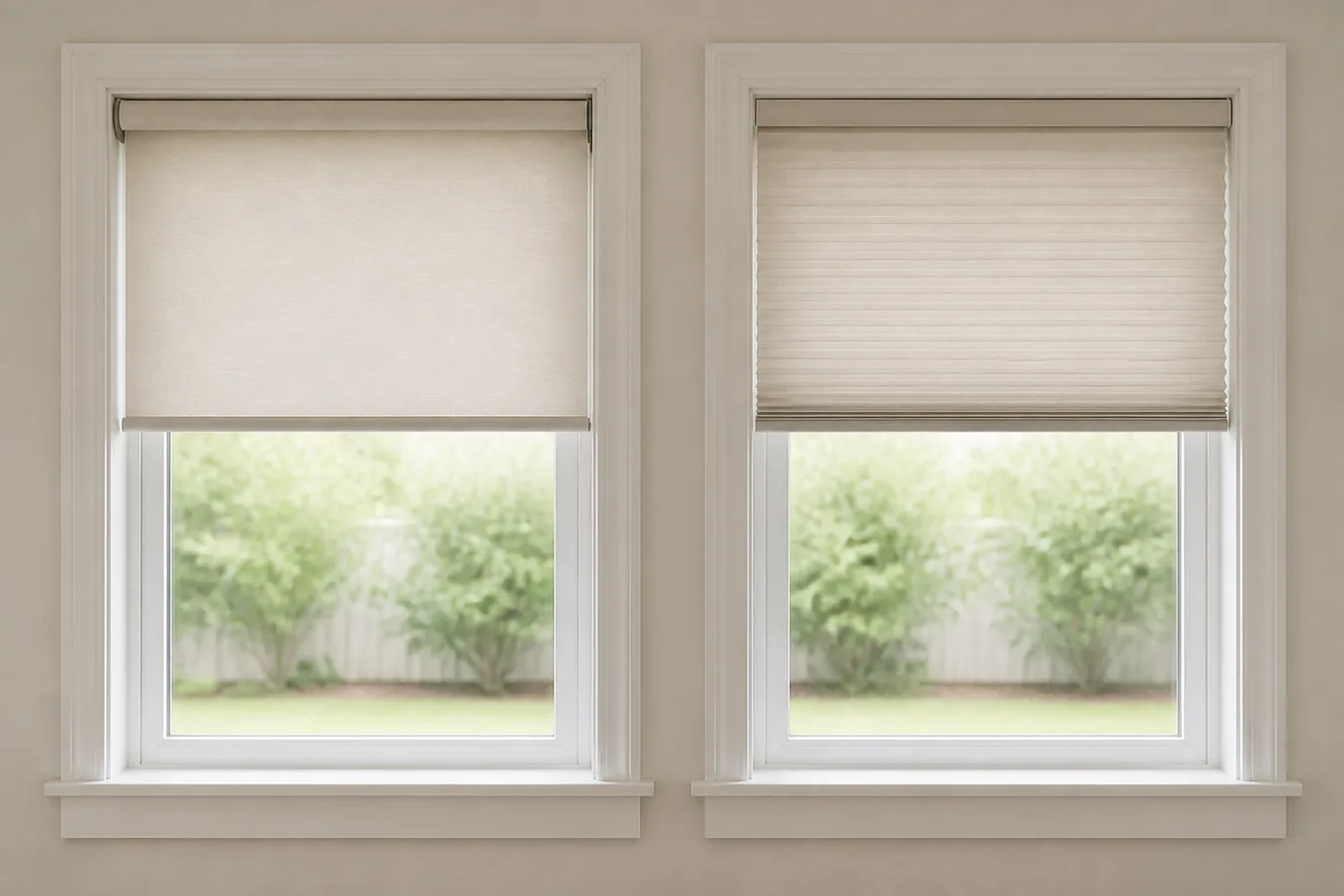
Compare the finished roll or stack, closed edges, exact energy rating, fabric care and controls before choosing roller or cellular shades.
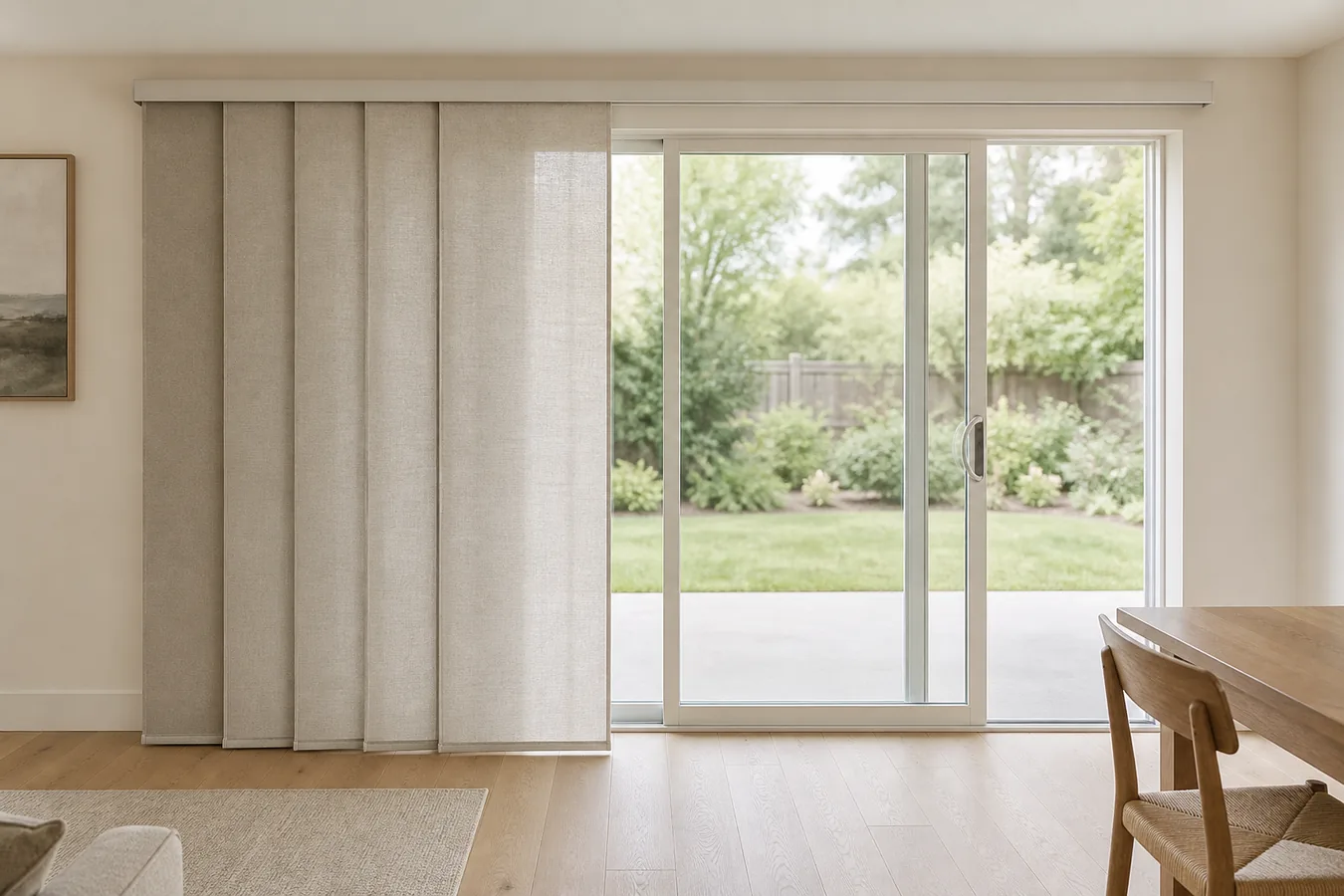
Map the active door, track lanes, panel overlap and parked stack before choosing a panel blind, then verify mount depth, control and service access.
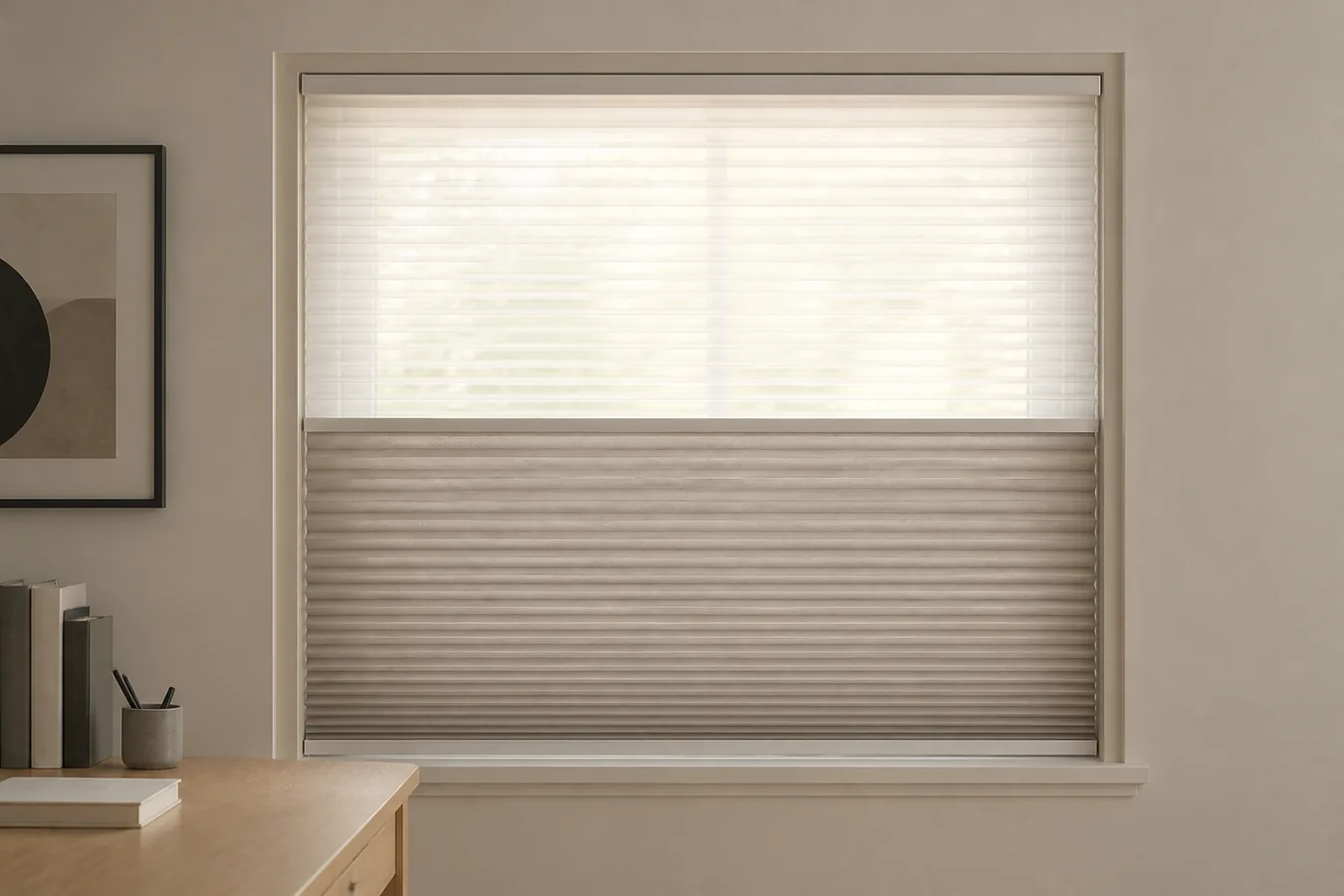
See how the top, middle and bottom rails divide two cellular fabrics, then verify open glass, panel order, stack, fit and control before ordering.
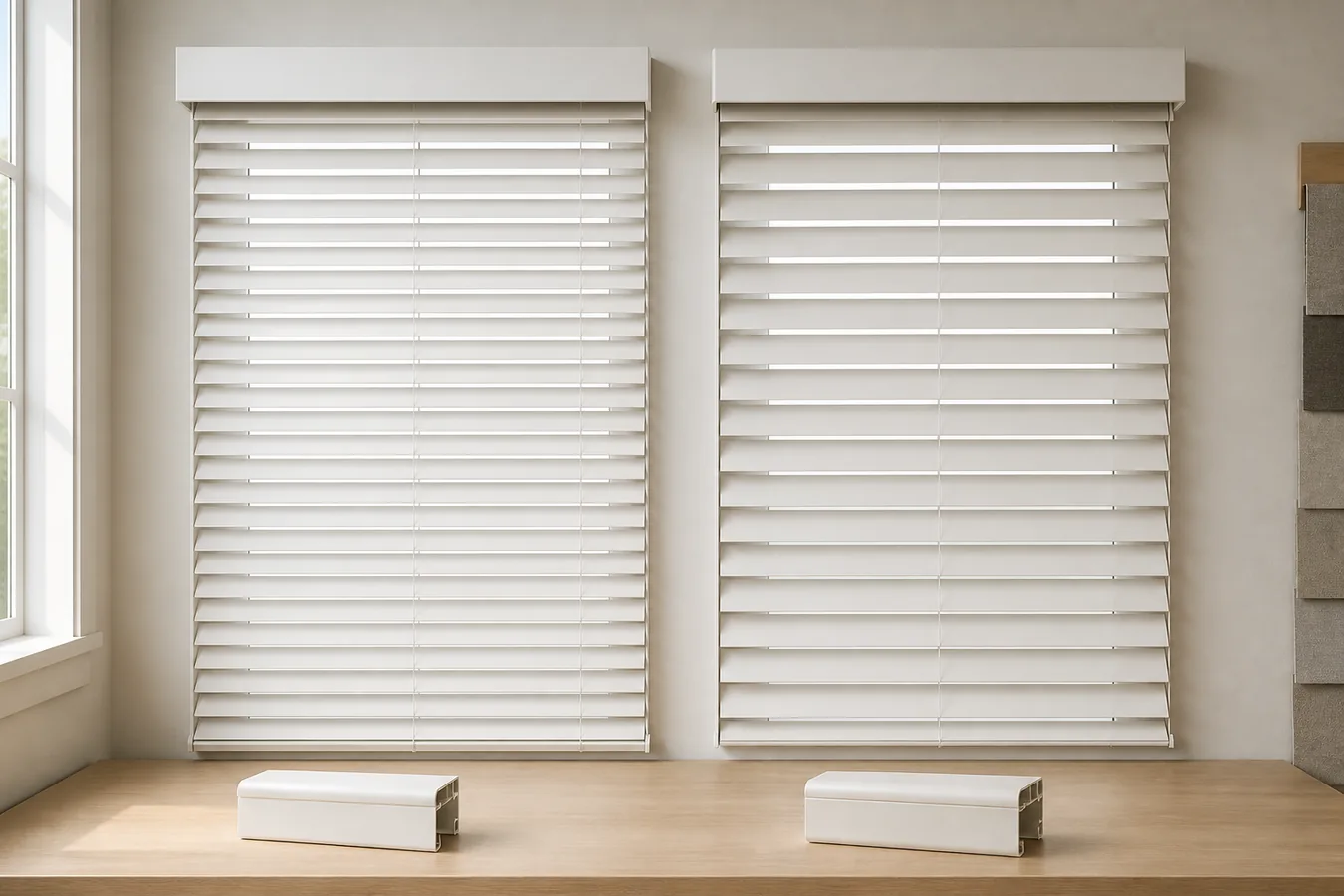
Compare two exact blinds on one opening: headrail depth, flush fit, raised height, ladder layout, controls and size limits can all change with slat size.
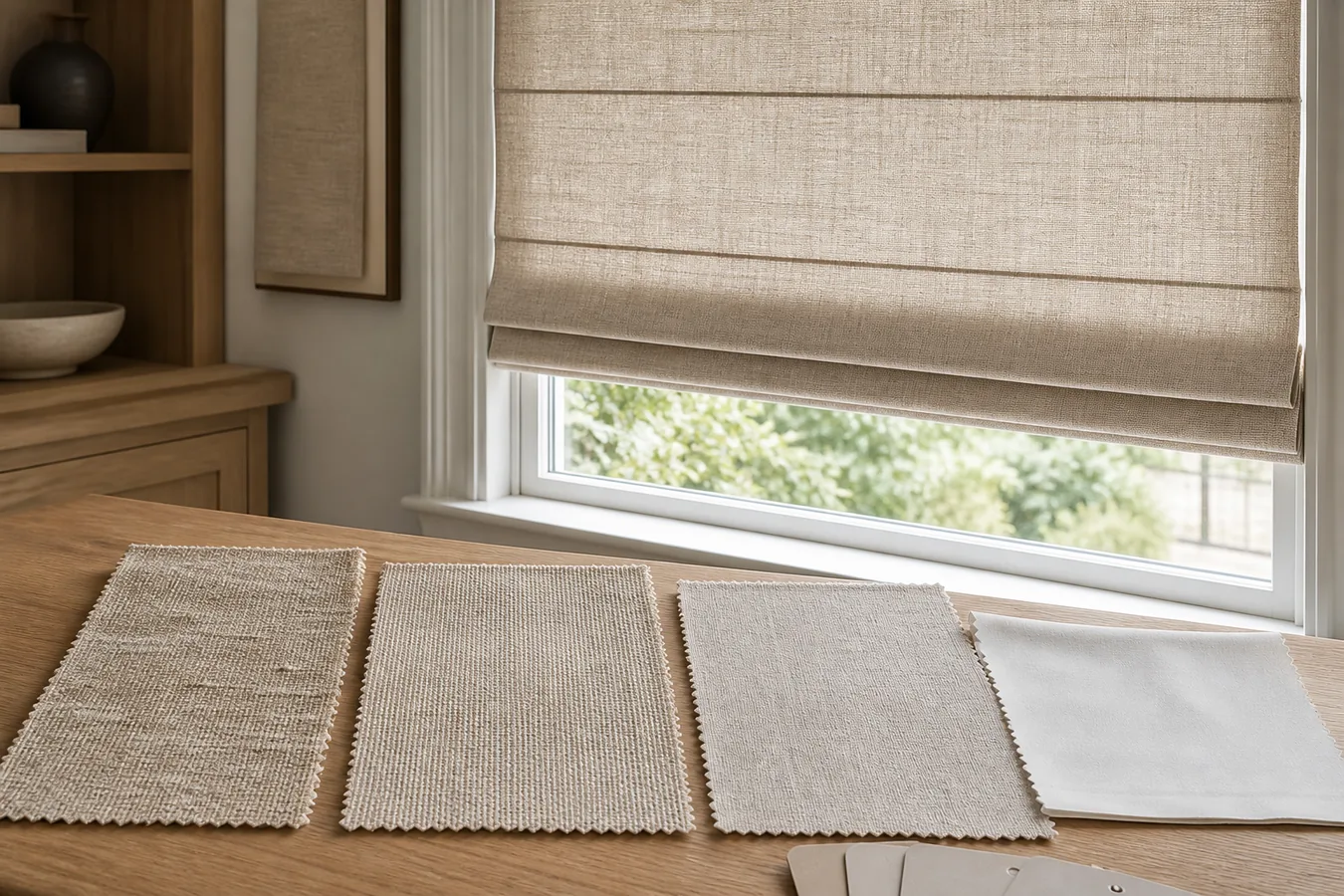
Learn whether “linen” means fiber, blend, or look, then verify weight, lining, folds, care, and finished-shade variation before ordering a Roman blind.
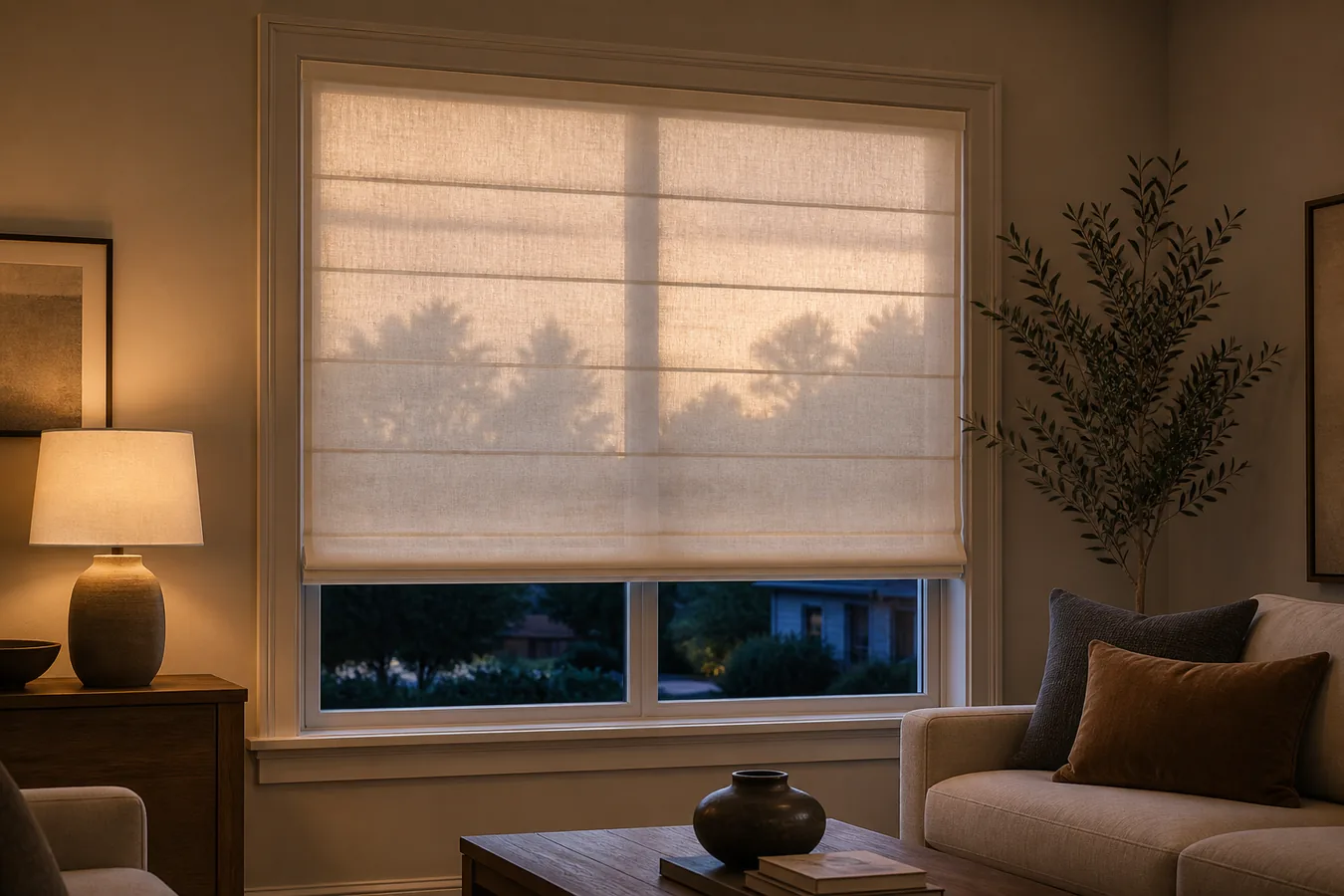
See how lighting direction, unlined fabric, fold overlap and rear lift hardware change a sheer Roman shade, then choose a liner or separate privacy layer.
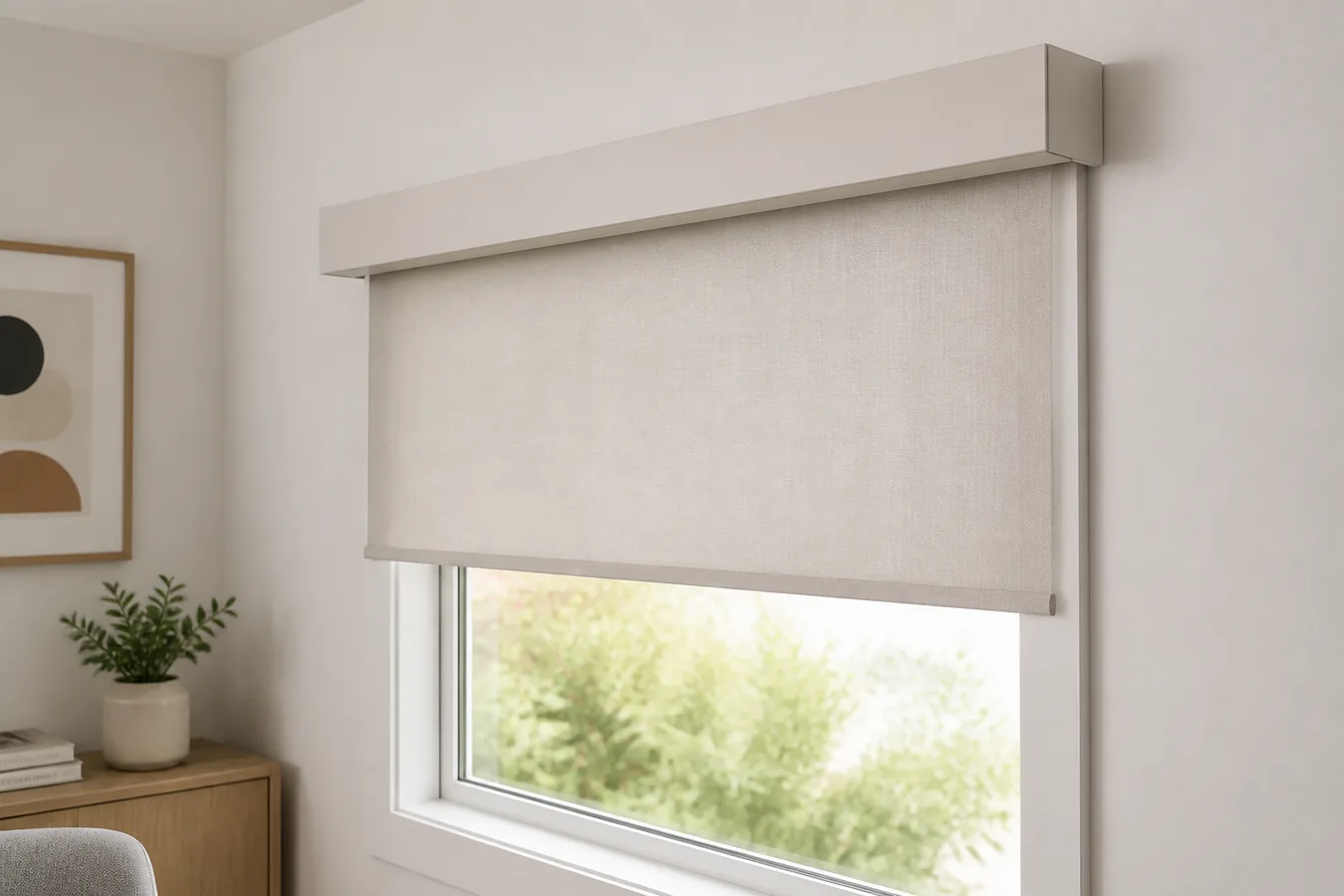
Compare exposed rolls, fascias, cassettes and pockets, then check housing depth, fabric drop, side gaps, controls and release access before ordering.
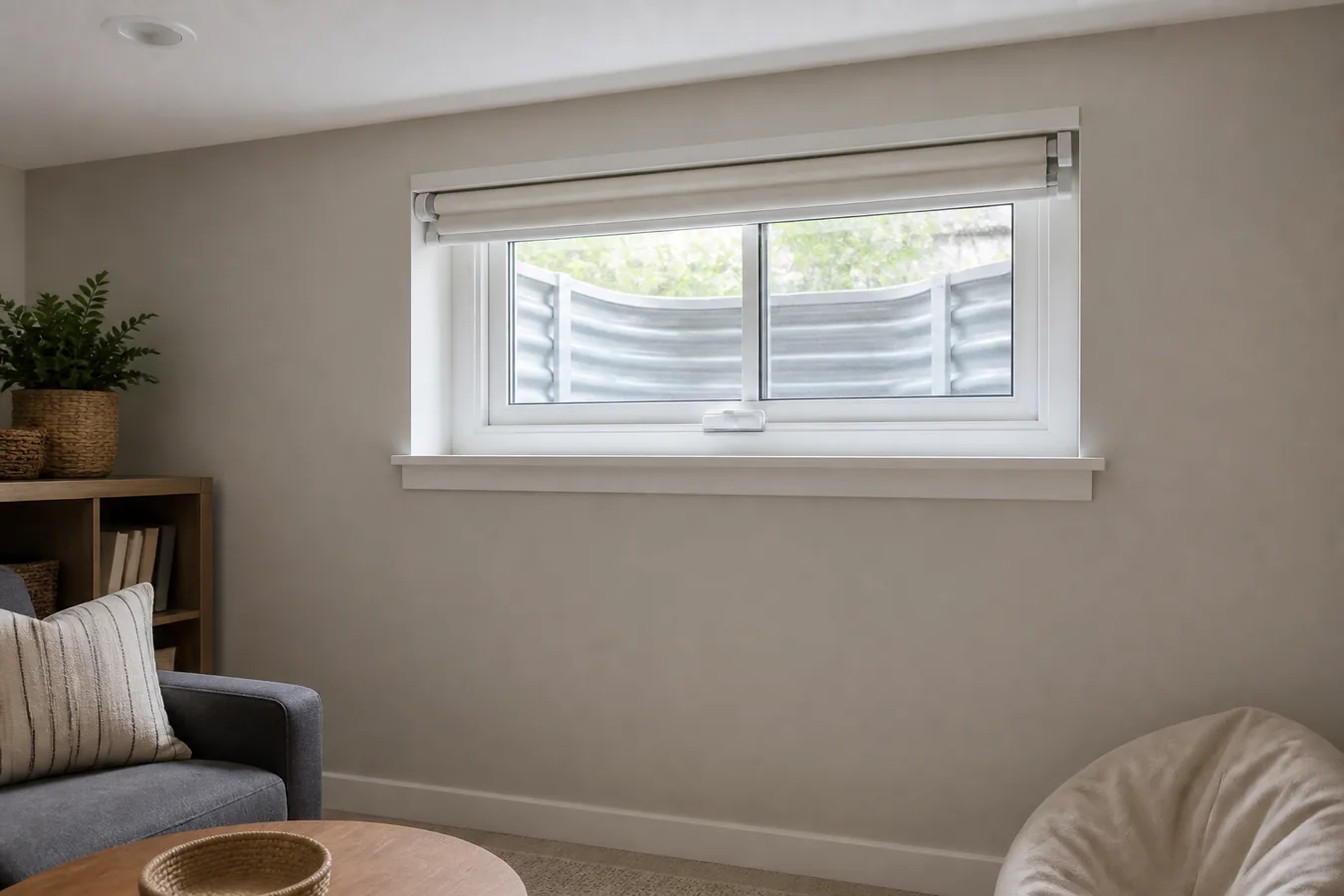
Classify the window’s escape, ventilation or daylight job, then check privacy sightlines, condensation, stack and controls before choosing basement blinds.