
Day and Night Cellular Shades Depend on the Middle Rail
See how the top, middle and bottom rails divide two cellular fabrics, then verify open glass, panel order, stack, fit and control before ordering.
Roller, cellular, roman, zebra, retrofit, and other shade-type comparisons for smart or motorized shade planning.
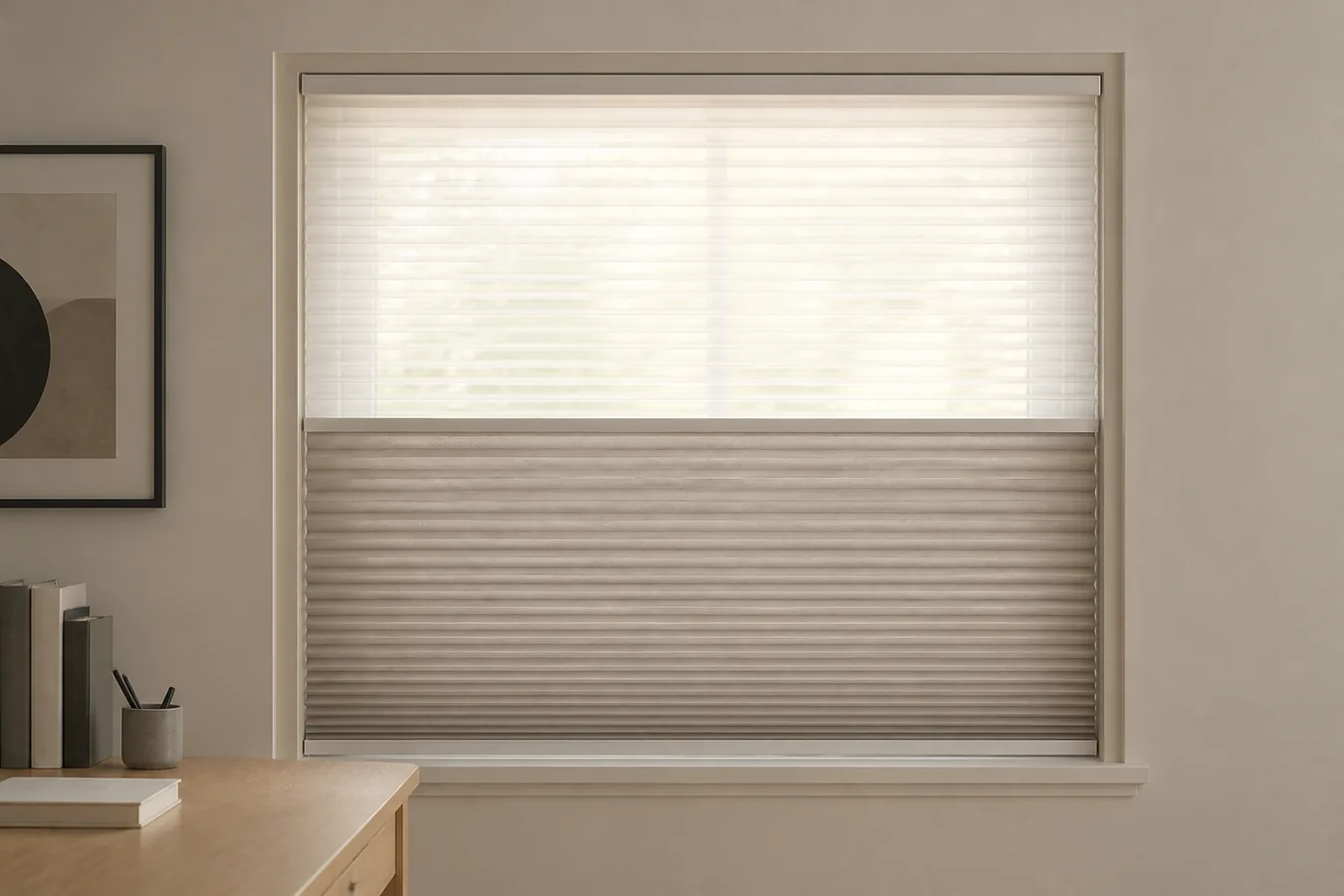
See how the top, middle and bottom rails divide two cellular fabrics, then verify open glass, panel order, stack, fit and control before ordering.
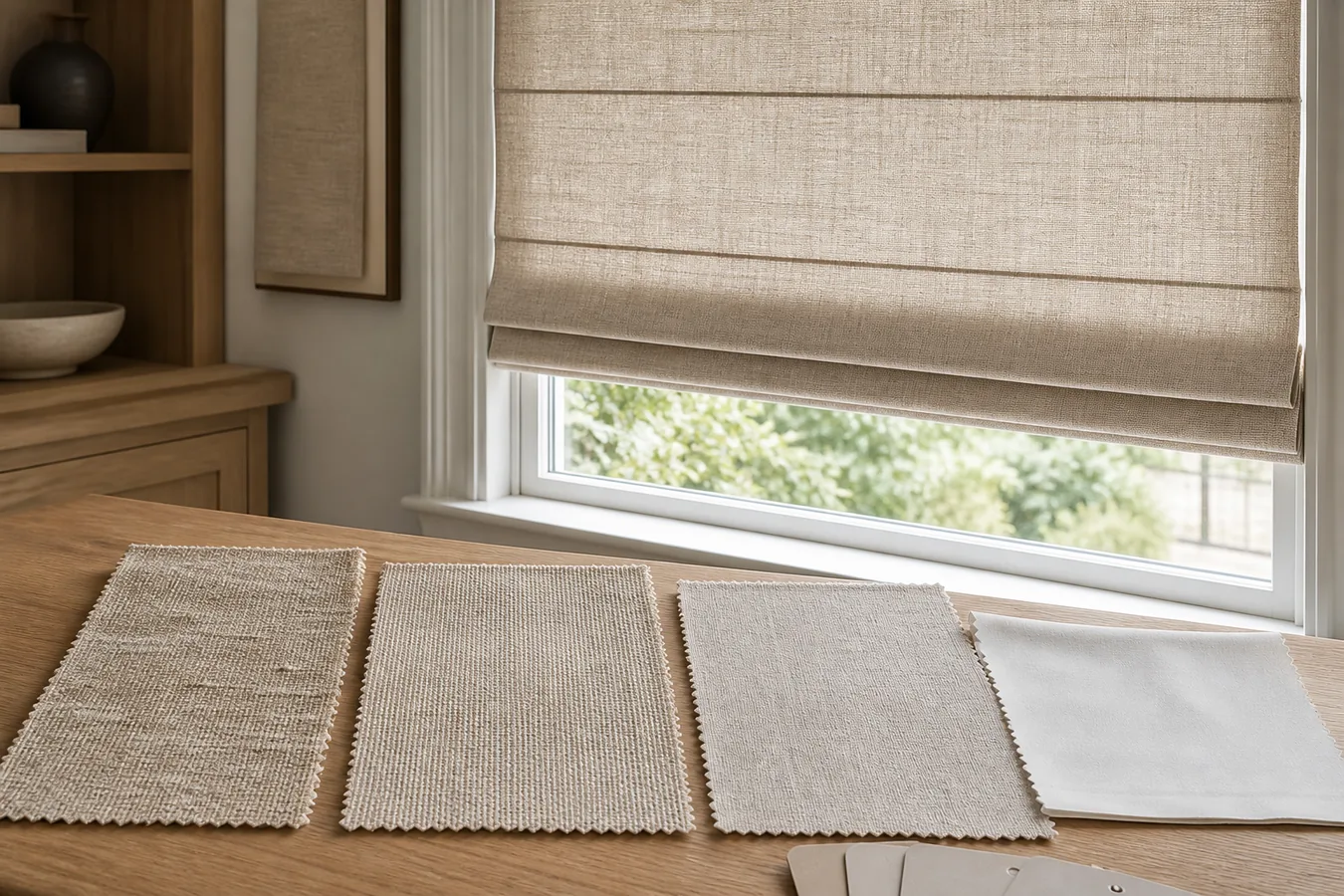
Learn whether “linen” means fiber, blend, or look, then verify weight, lining, folds, care, and finished-shade variation before ordering a Roman blind.
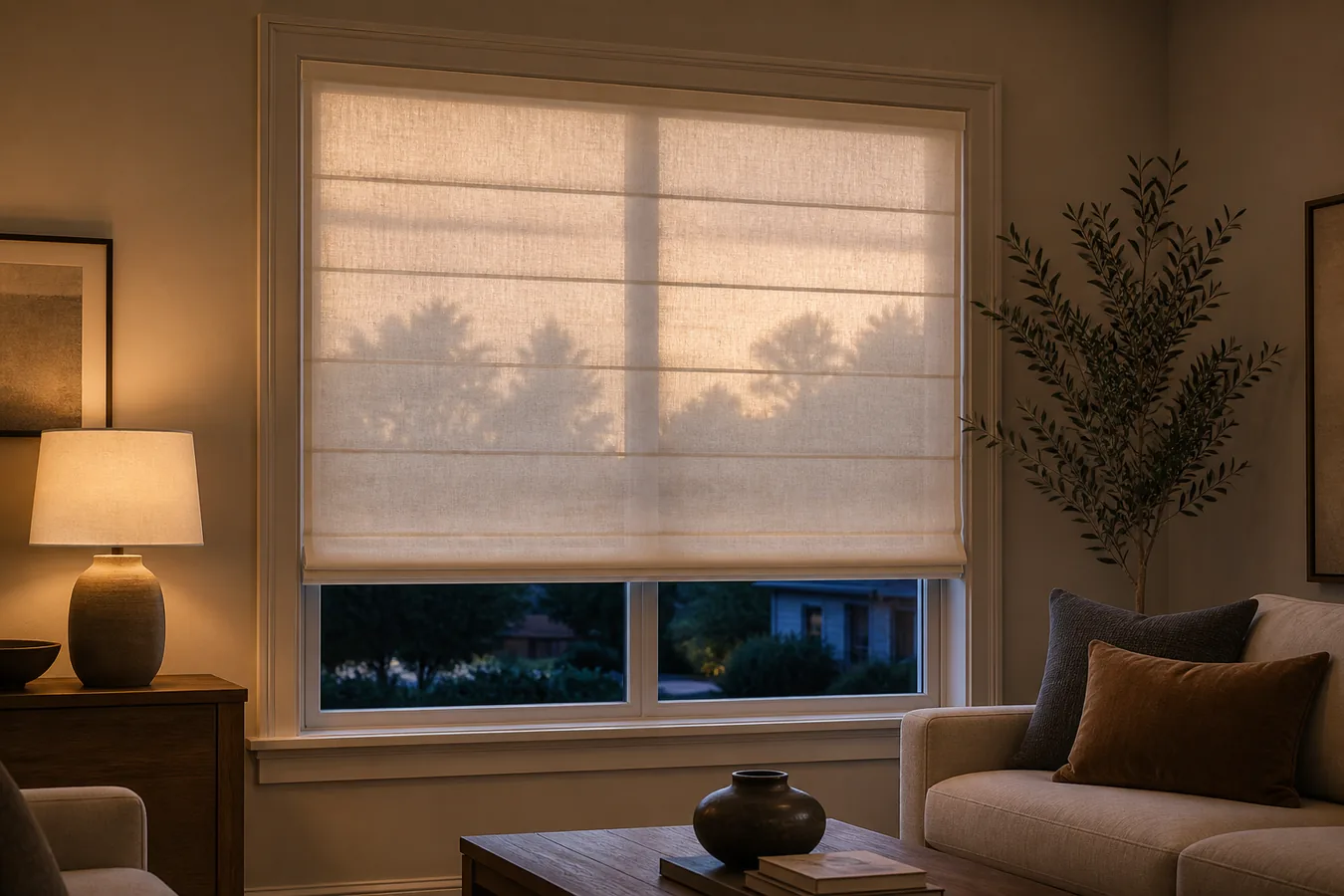
See how lighting direction, unlined fabric, fold overlap and rear lift hardware change a sheer Roman shade, then choose a liner or separate privacy layer.
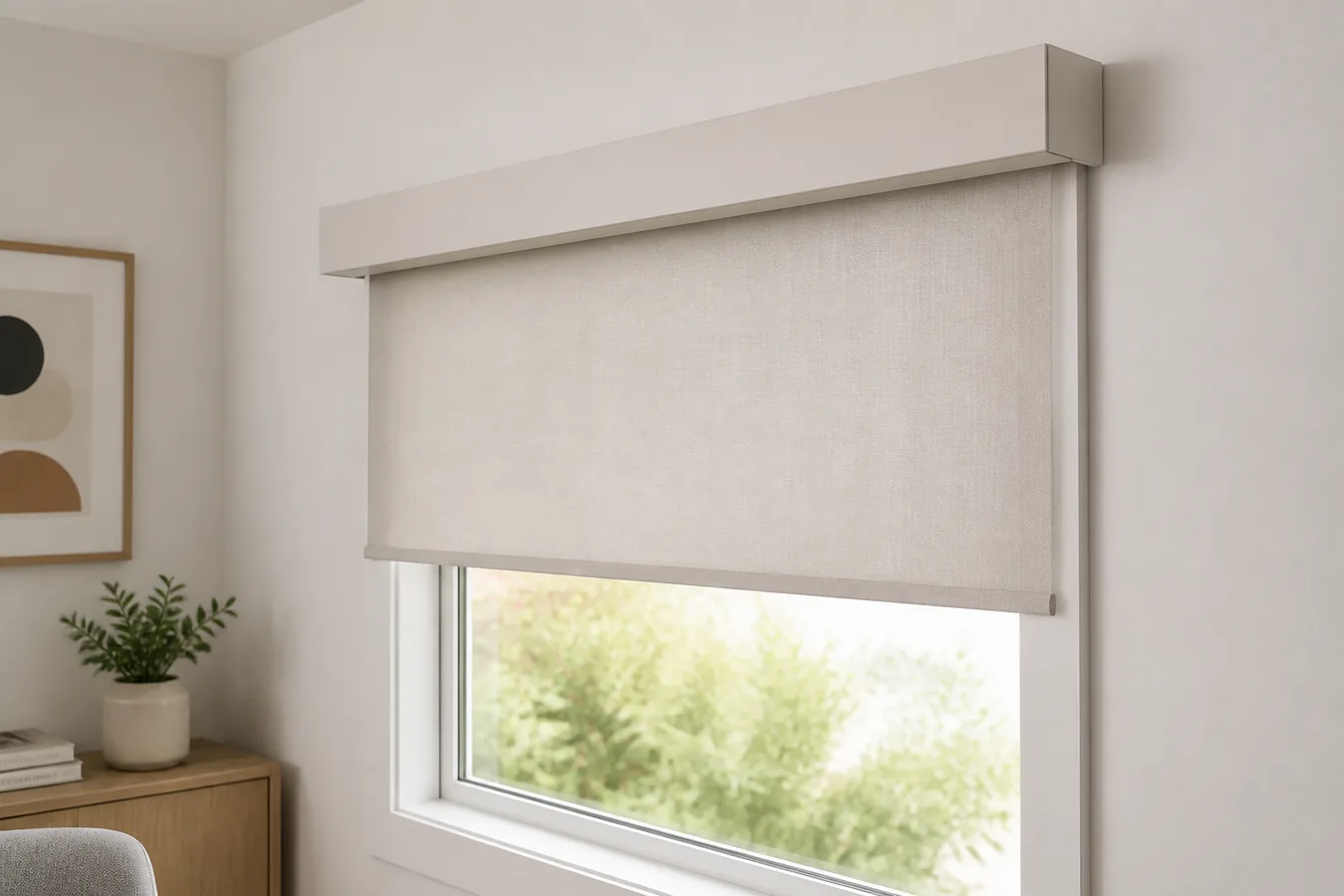
Compare exposed rolls, fascias, cassettes and pockets, then check housing depth, fabric drop, side gaps, controls and release access before ordering.
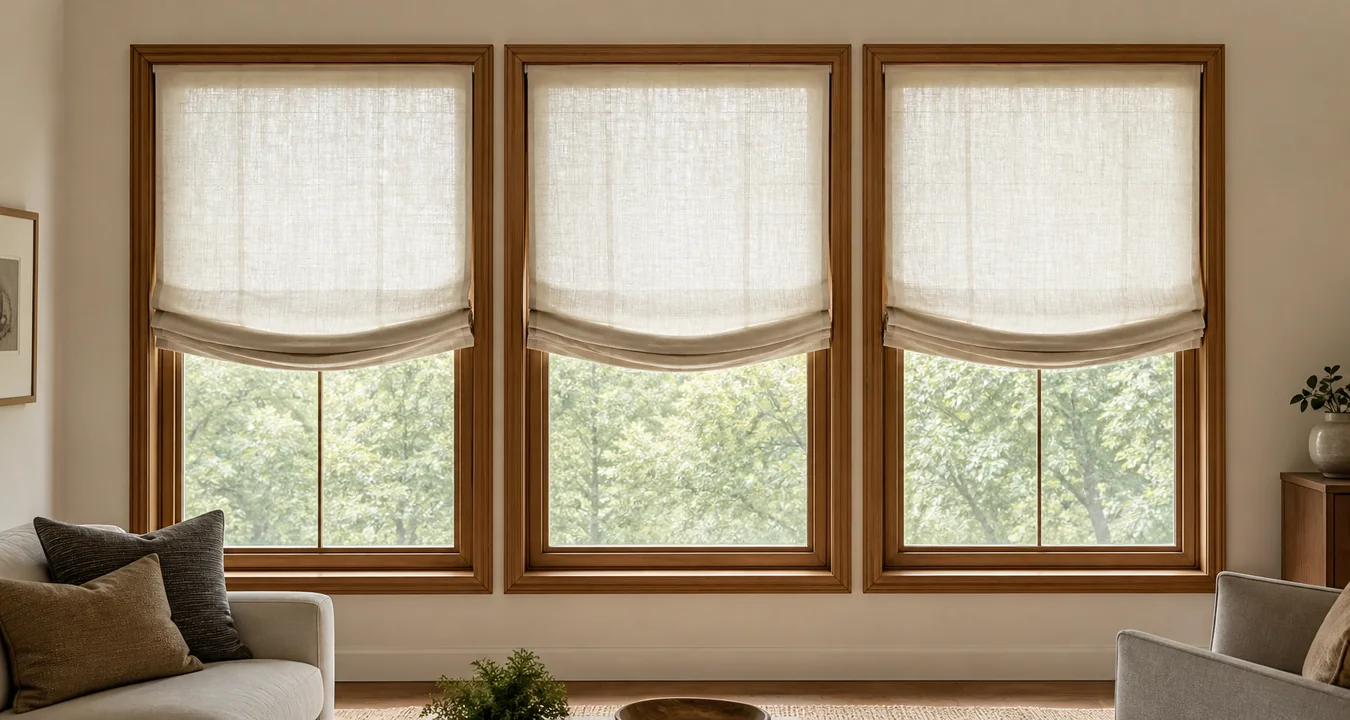
Compare relaxed Roman shades fully lowered, partly raised and fully raised. See how fabric, lining, grouped windows and daily use change the curve.
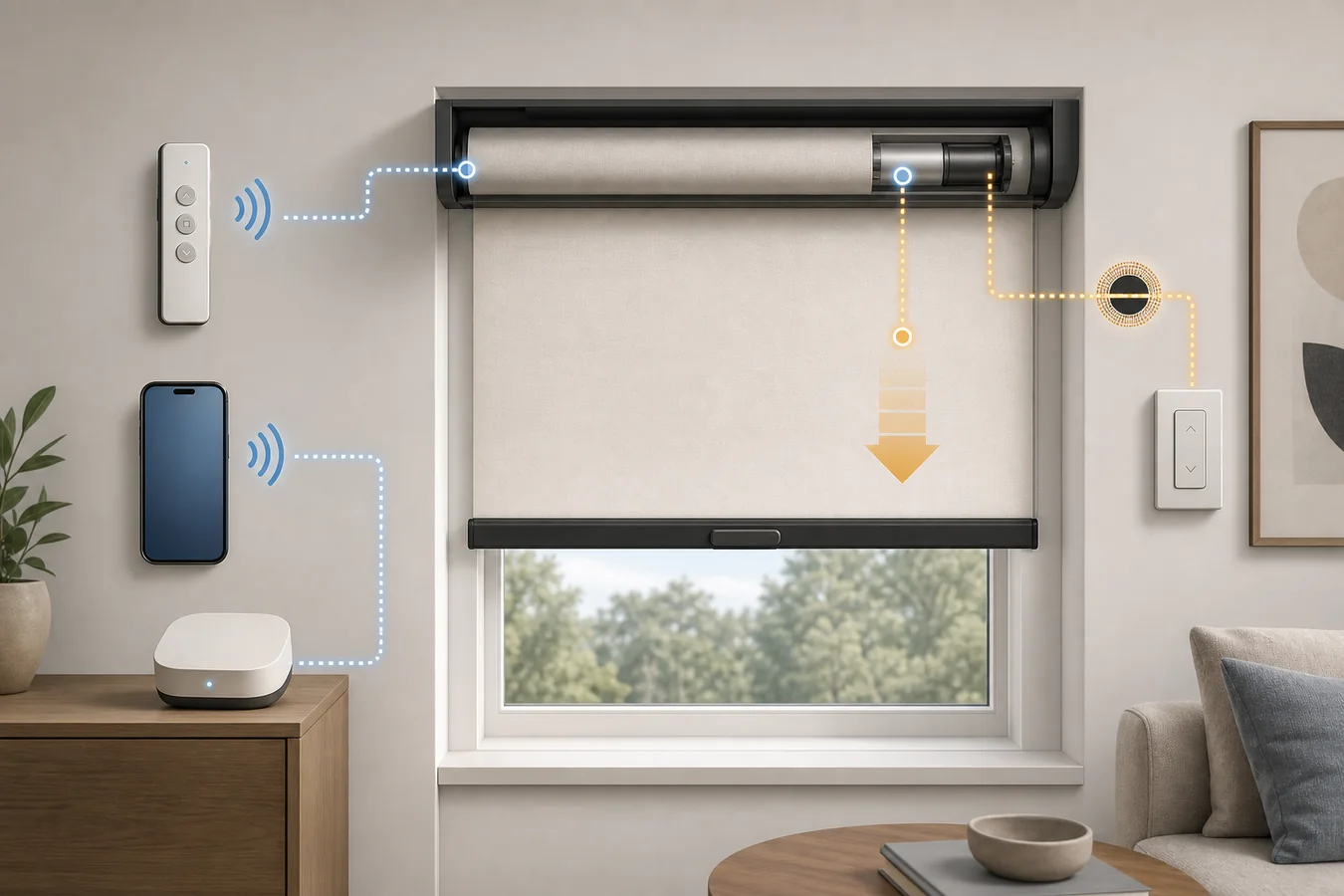
Separate power, local control, remote, app/hub, limits and mechanical symptoms before resetting a motorized blind or erasing its setup.
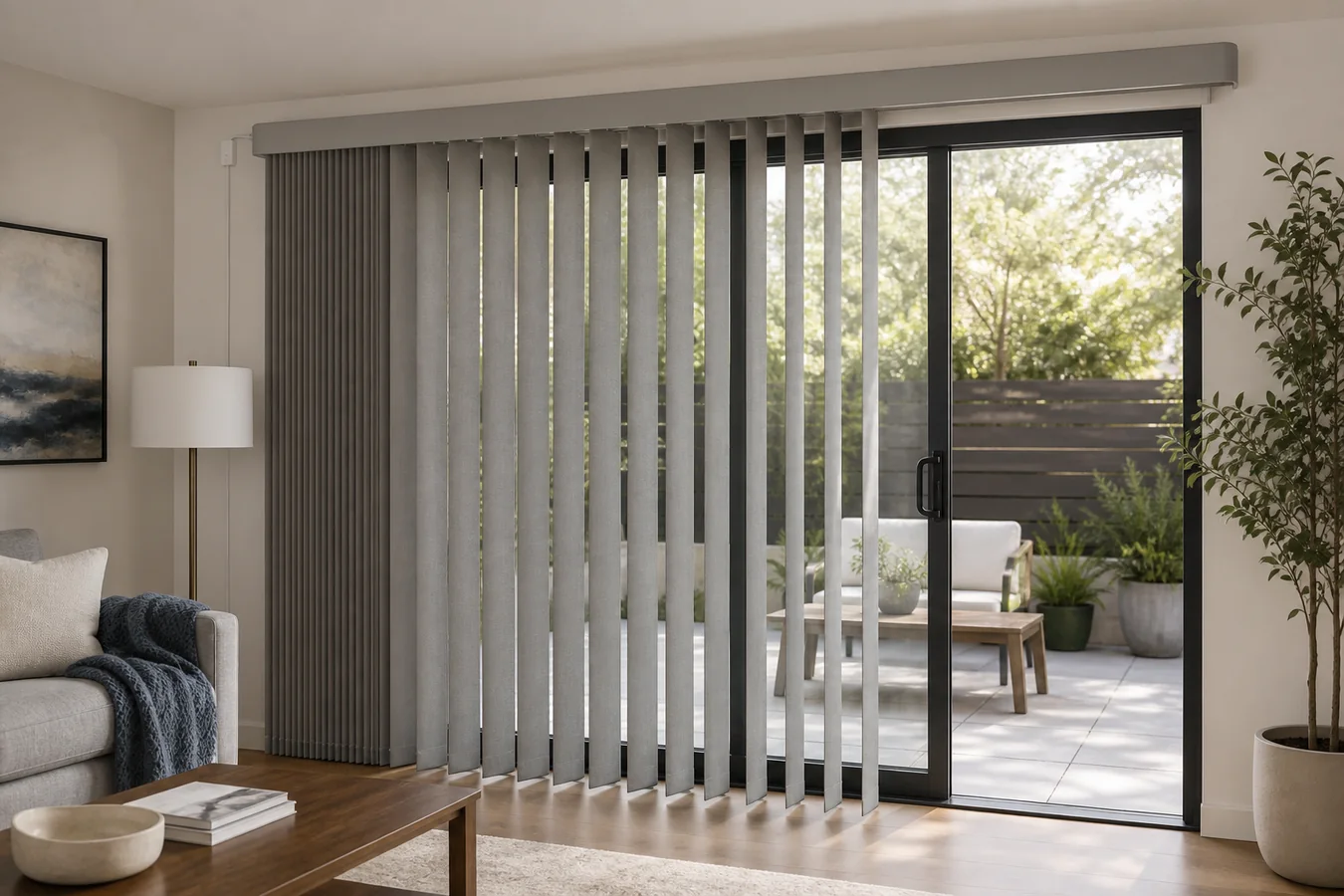
Check vane rotation, track traversal, doorway clearance, controls, power-loss behavior and manual fallback before ordering motorized vertical blinds.
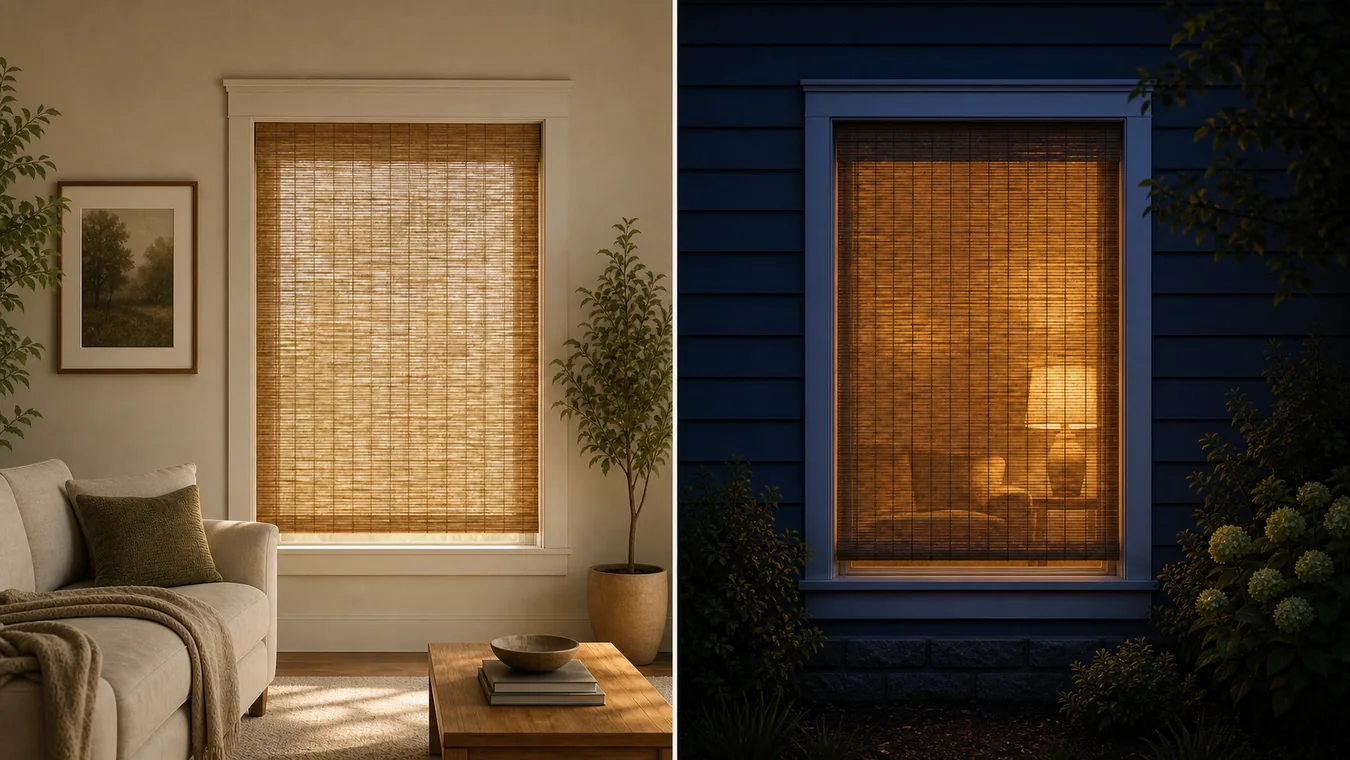
Compare the weave, named liner, finished edge gaps and lift system before ordering bamboo window shades for daylight and nighttime privacy.
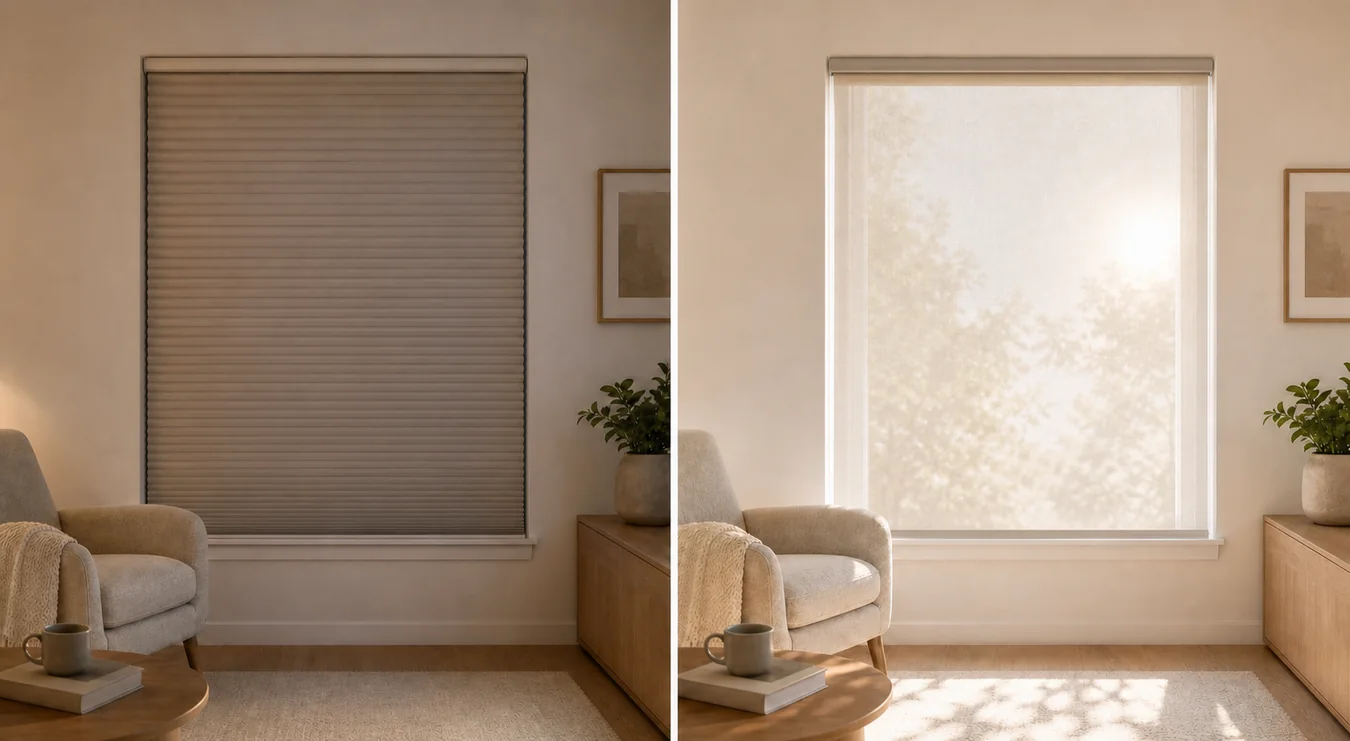
Use climate ratings, mounting gaps and daily schedules to compare cellular, roller, solar and slatted coverings for winter heat loss or summer sun.
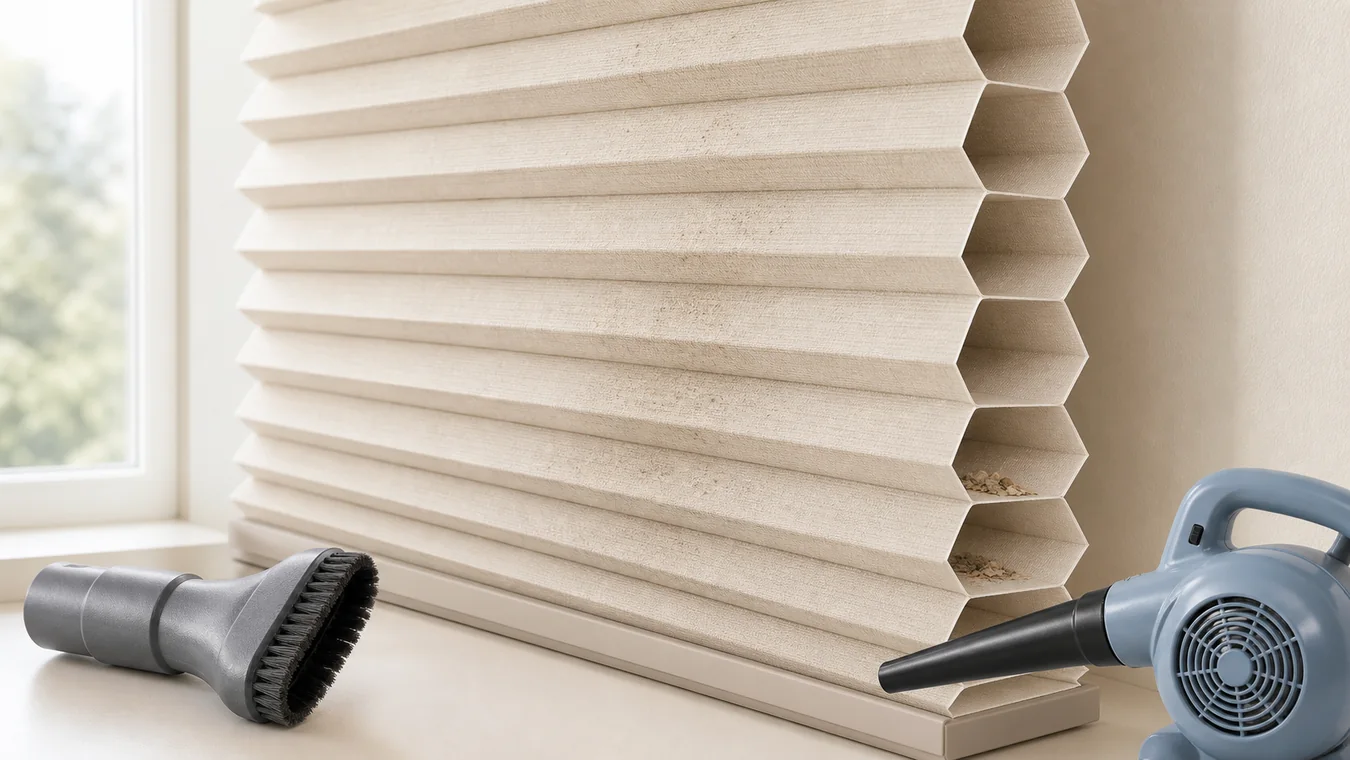
Match surface dust, trapped debris, one spot, or recurring moisture to the exact fabric care rule before you vacuum, blot, or replace the shade.