
Do Roller Shades Make Noise? Judge the Finished Shade, Not the Motor
Separate normal motor hum from abnormal rattles, compare completed-shade sound evidence, and set one room-specific acceptance condition before ordering.
Roller, cellular, roman, zebra, retrofit, and other shade-type comparisons for smart or motorized shade planning.
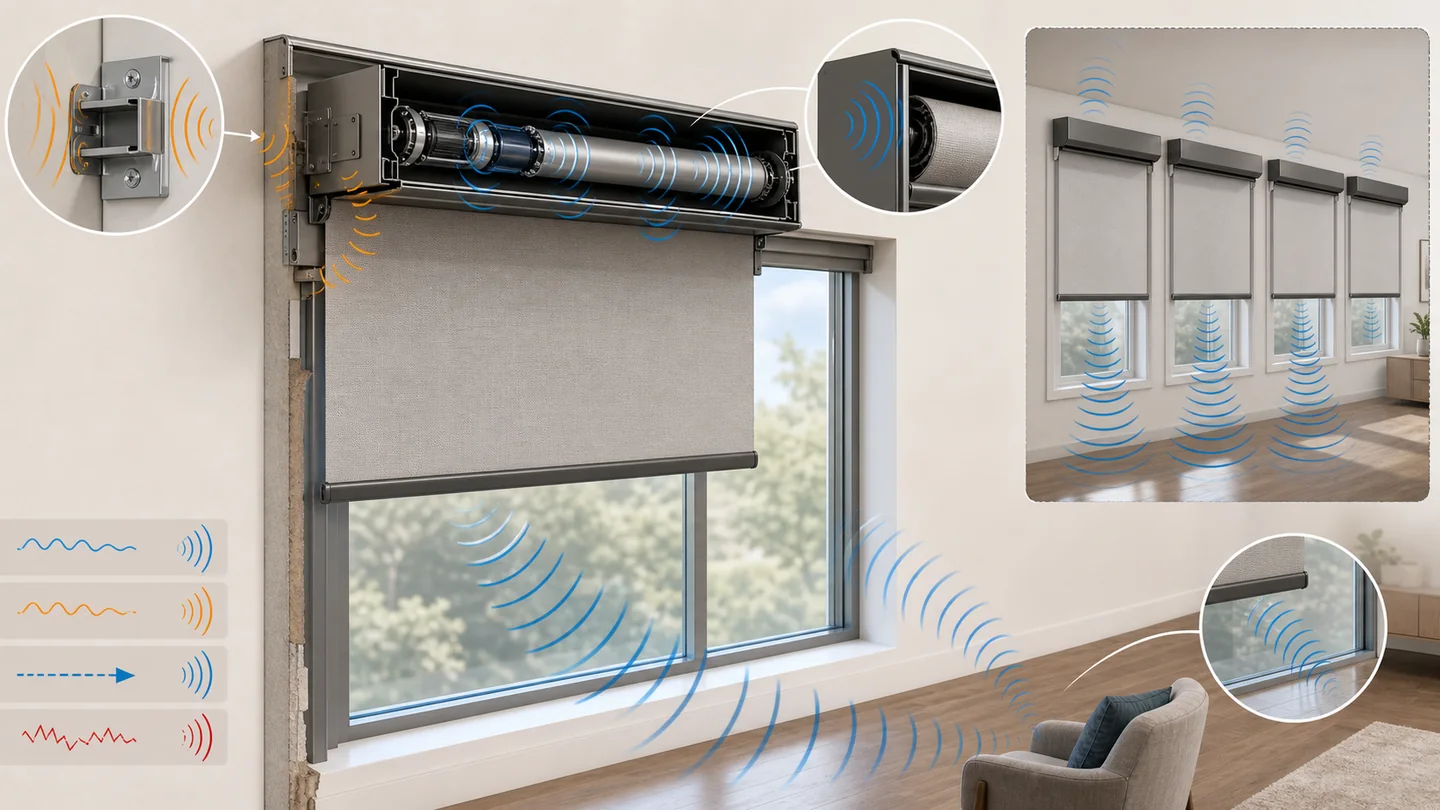
Separate normal motor hum from abnormal rattles, compare completed-shade sound evidence, and set one room-specific acceptance condition before ordering.
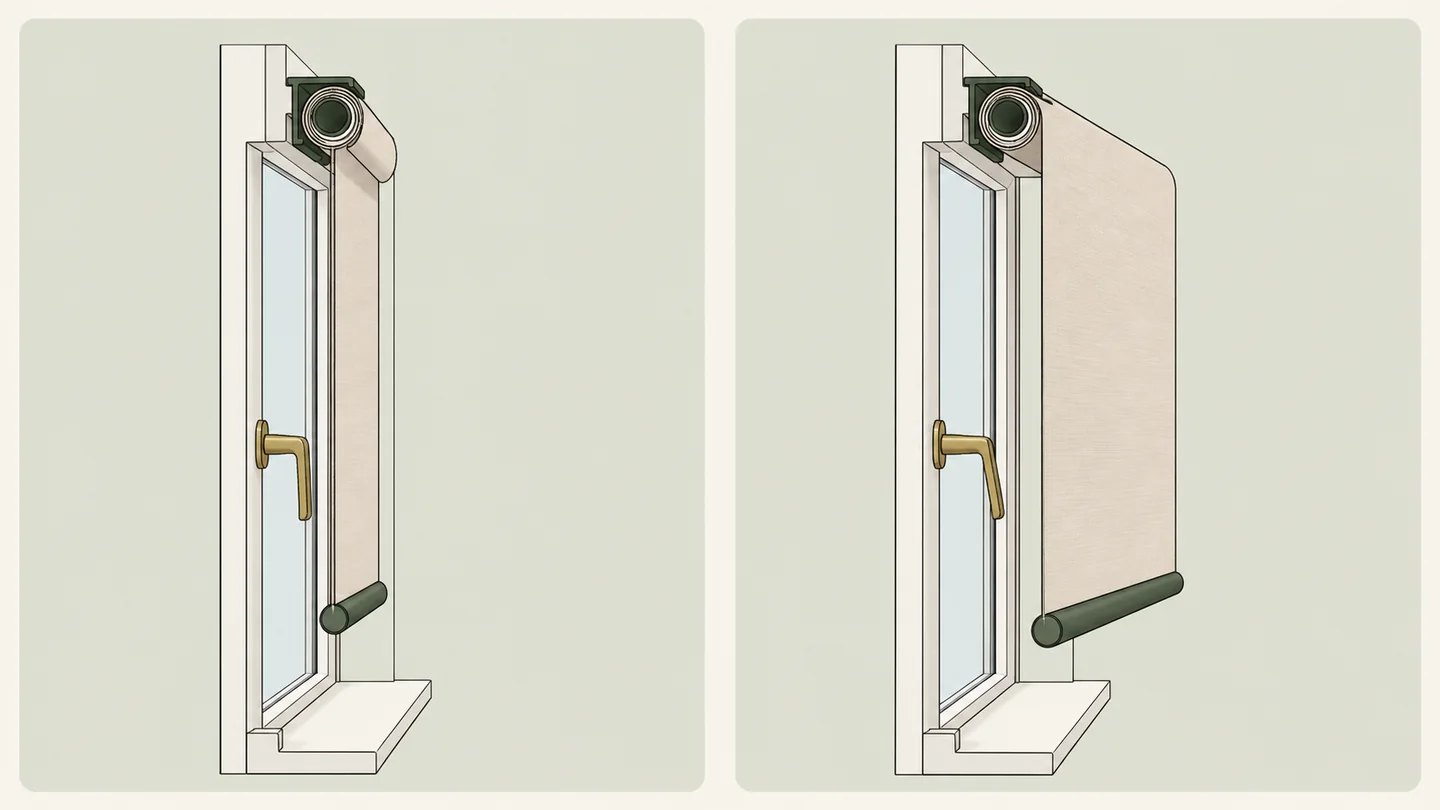
See how standard and reverse roll move the fabric plane, then check handle clearance, side gaps, cassette compatibility and motor orientation.
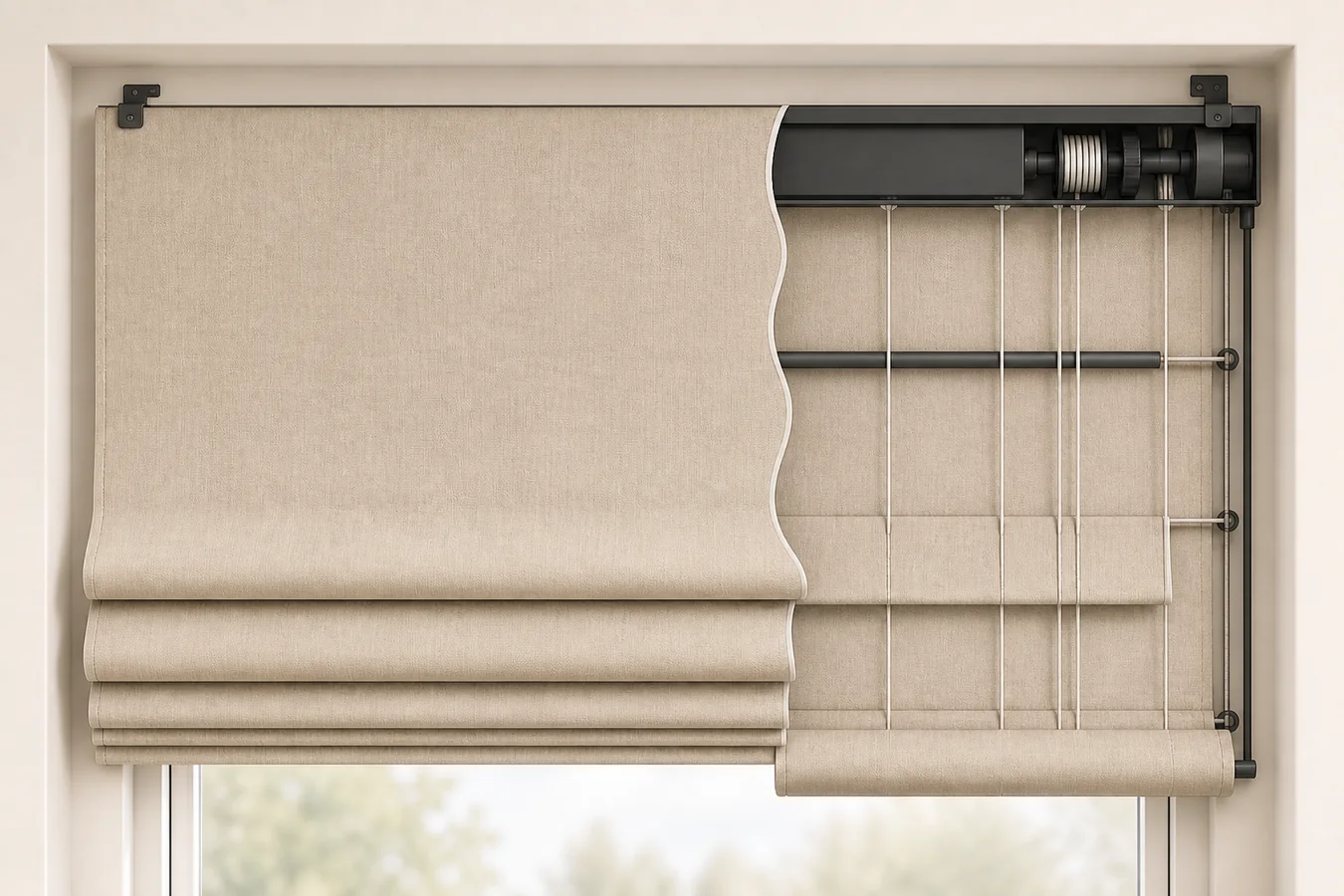
Separate finished-shade replacement parts from fabrication hardware, then match the order, headrail, lift zone and safety devices before buying.
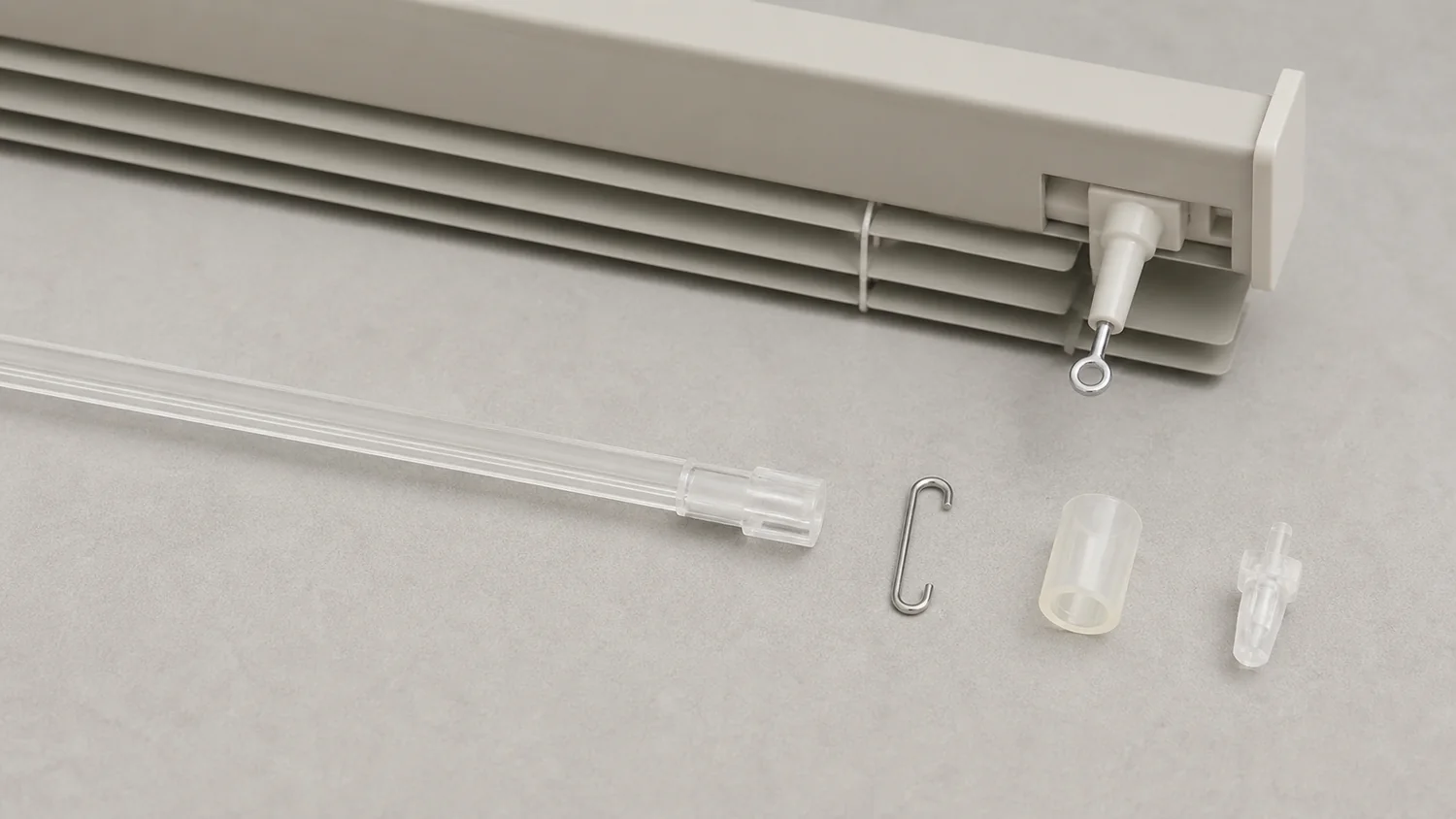
A new blind rod fits only when the failed motion, blind family, stem, hook or connector and exact part record agree. Separate the wand from the tilter first.

Cordless can mean direct bottom-rail lift, pull-and-release roller action, two moving rails or a wand. Identify the control before you pull.
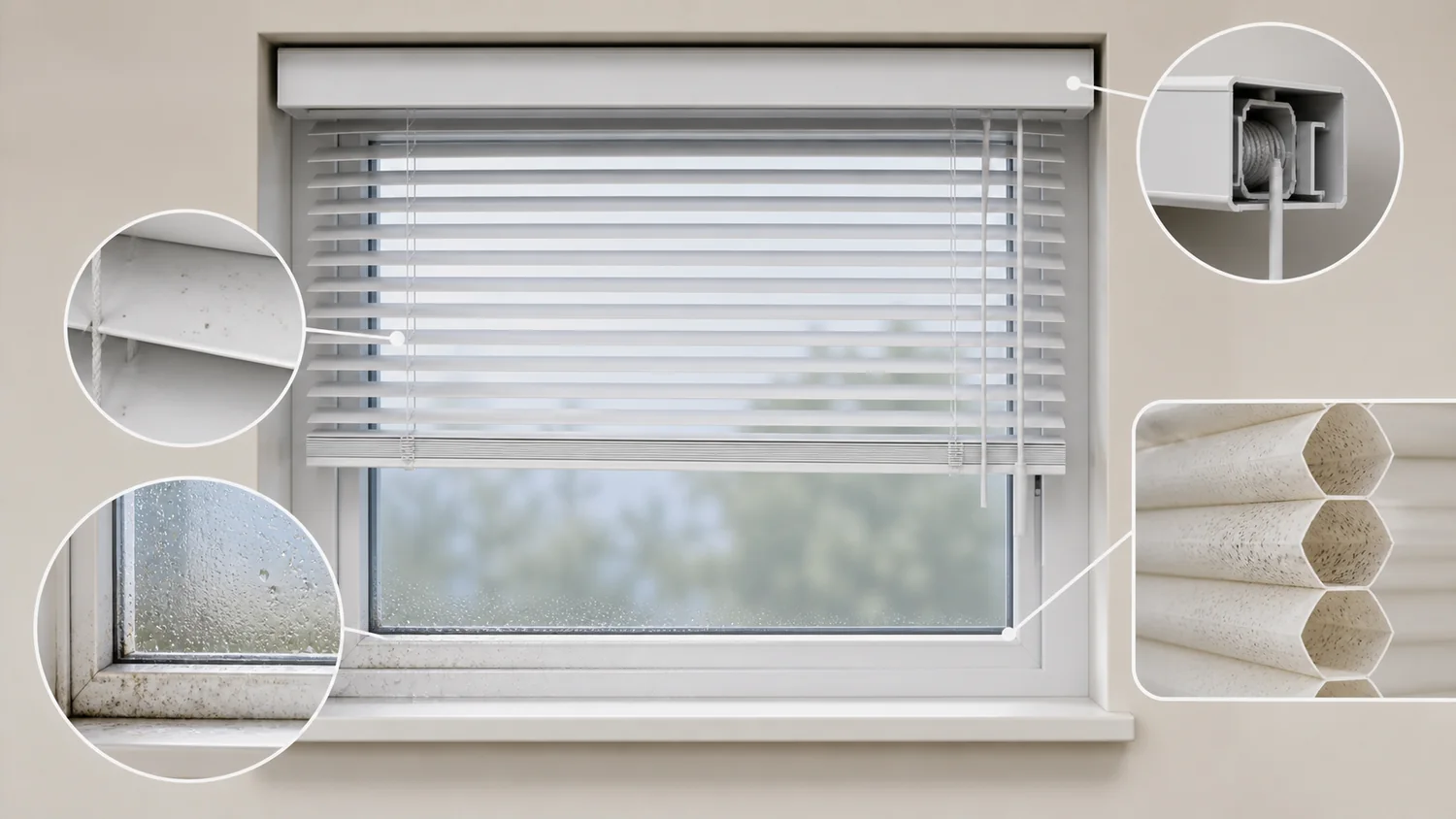
Locate the growth, identify hard versus porous construction, check exact care limits, and decide when cleaning, professional help, or replacement fits.
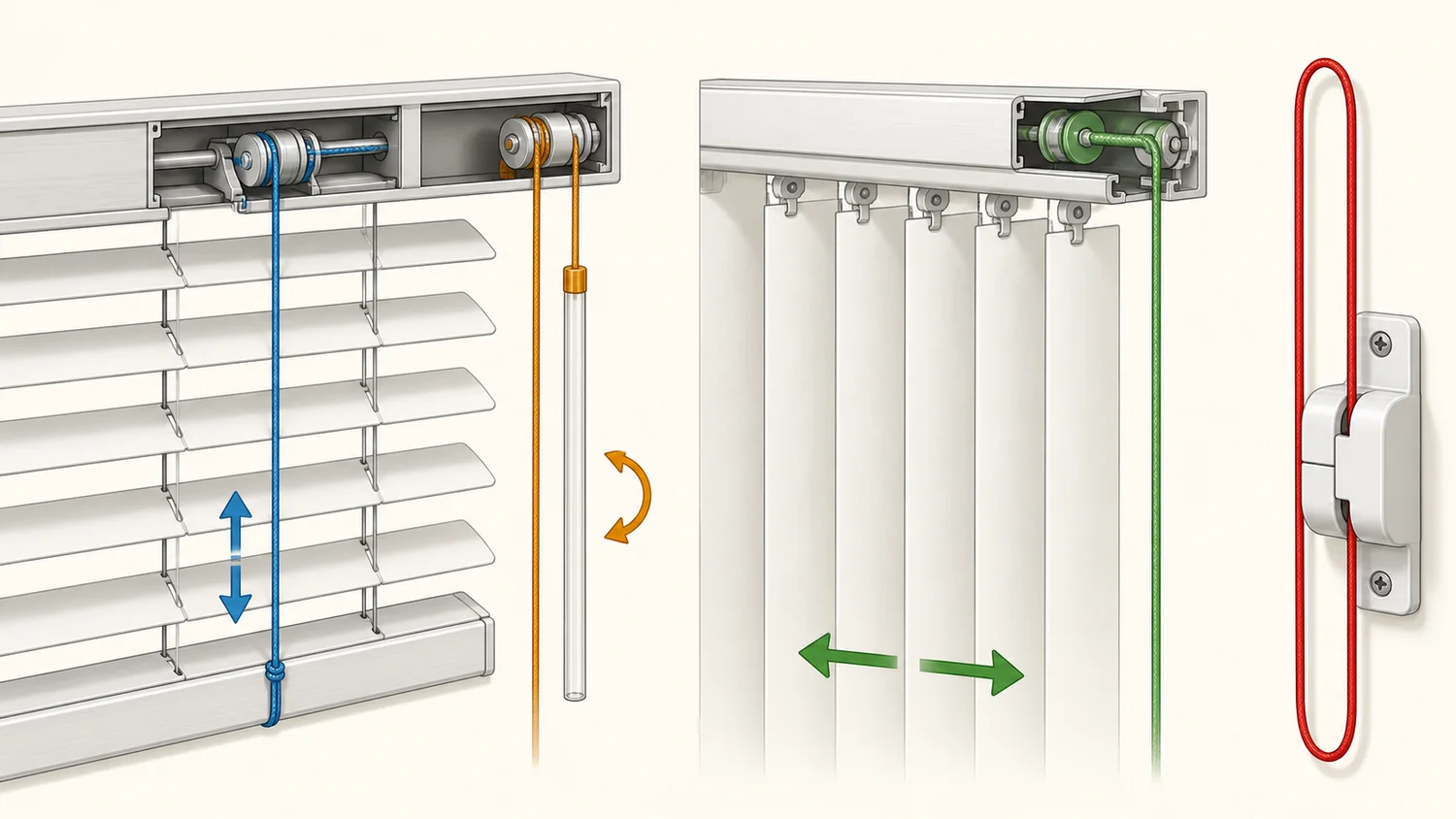
See whether the failed cord lifts the blind, tilts horizontal slats, traverses vertical vanes, or completes a safety loop before using an exact repair guide.
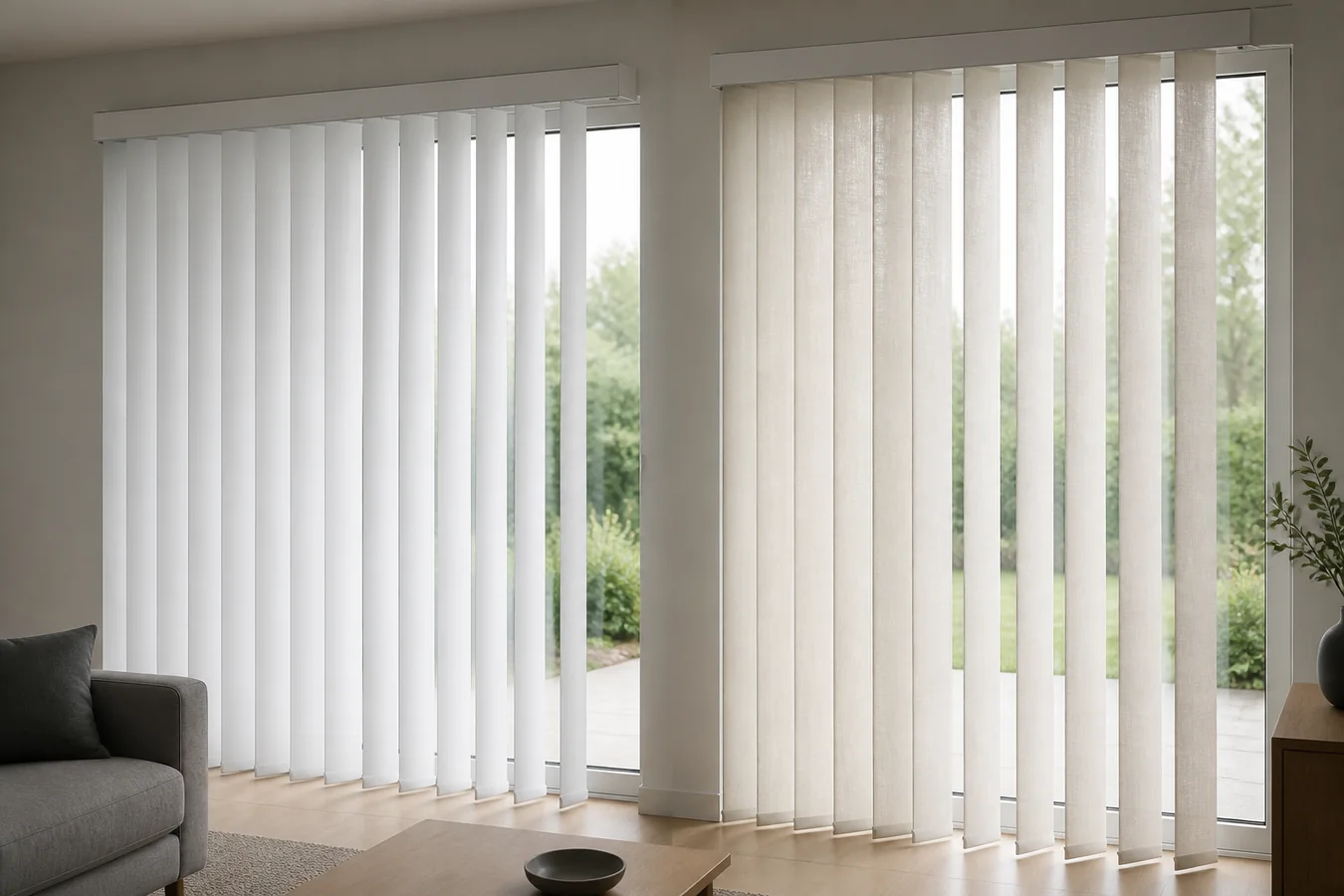
A PVC label does not reveal vane profile, closure, texture, headrail or controls. Use one evidence card to compare a complete system with fabric.
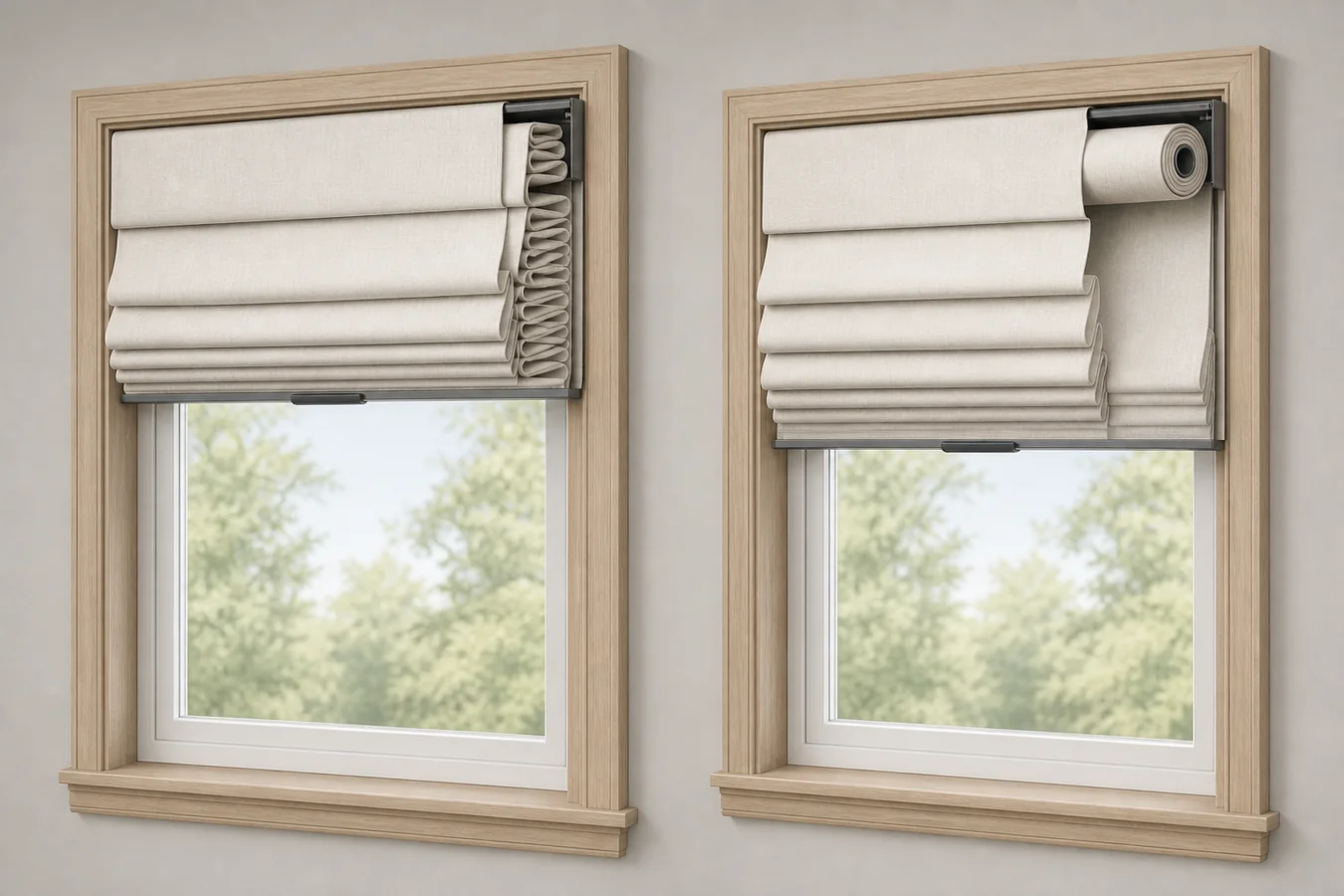
Use the product guide, operating sequence and rear view to identify a folding, roller-backed or TDBU Roman shade before comparing fabric or price.
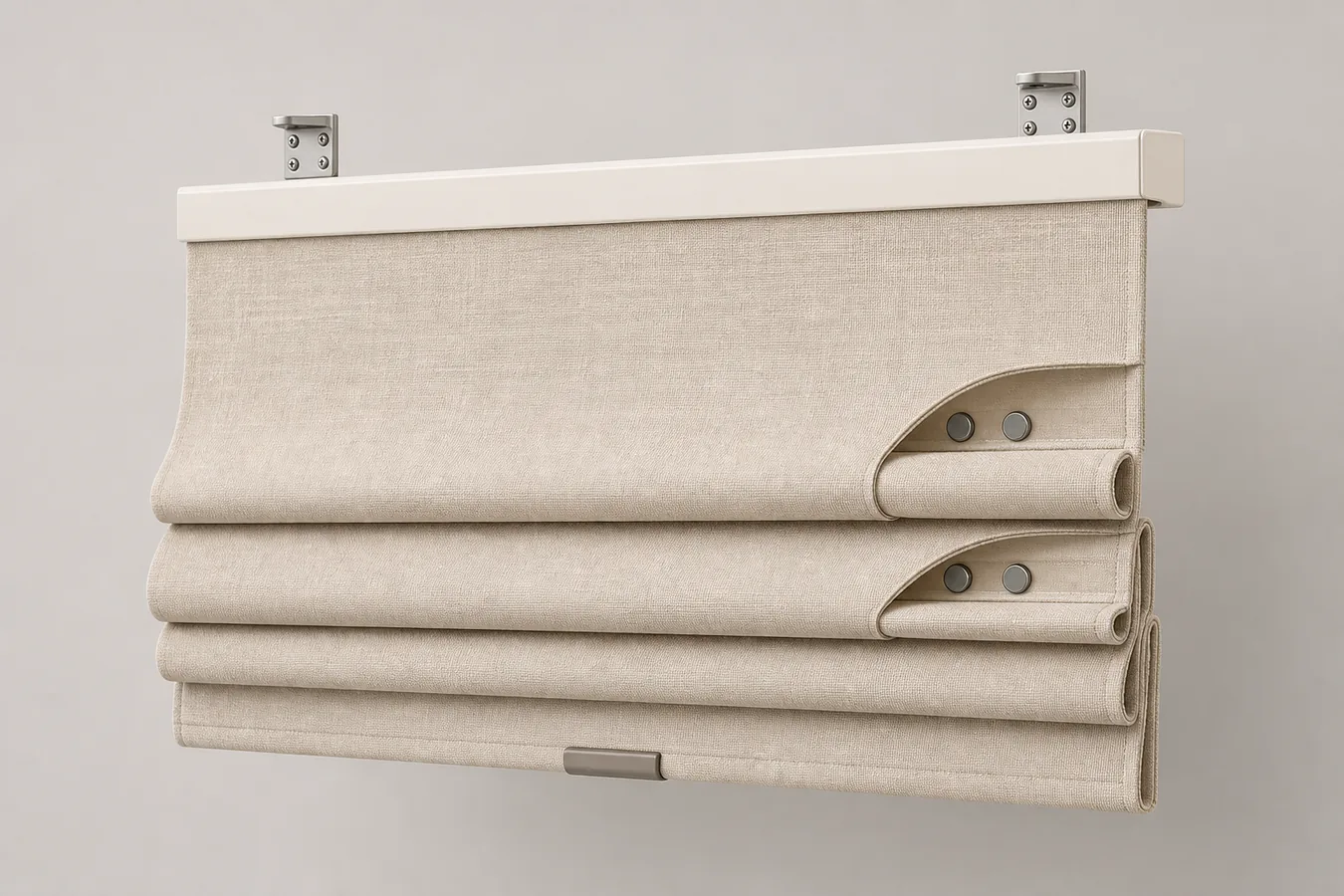
“Magnetic” may describe the fold lift, top attachment, or steel-door mount. Verify stops, reach, finished width, fabric, rear cords, and service.