
Blinds Mounting Brackets: Match the Headrail Before You Buy
Identify the blind, headrail or roller-end interface, handed parts, mount direction and exact part number before buying replacement mounting brackets.
Measurement, mount, depth, and ordering-risk guides for smart and motorized shades.
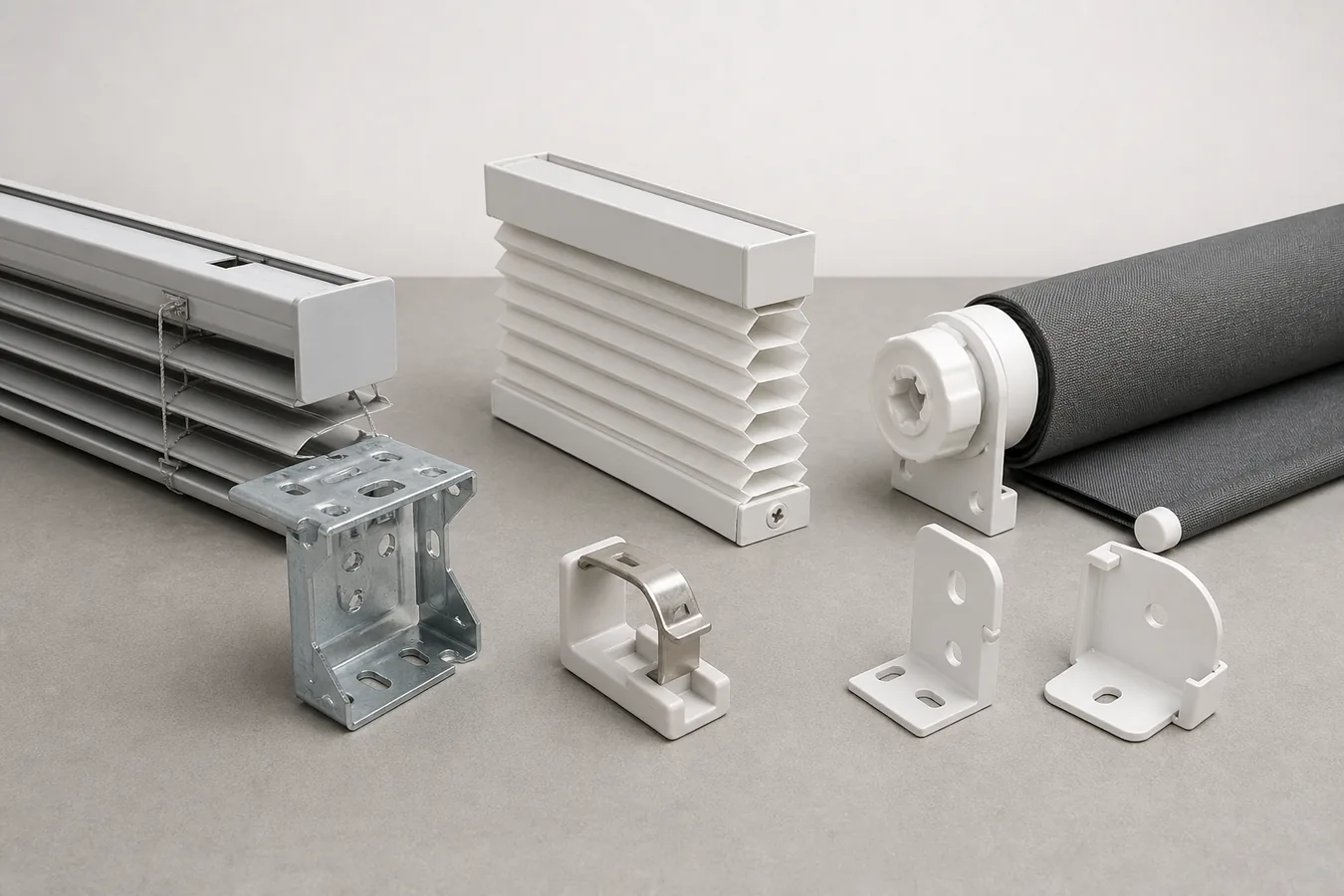
Identify the blind, headrail or roller-end interface, handed parts, mount direction and exact part number before buying replacement mounting brackets.
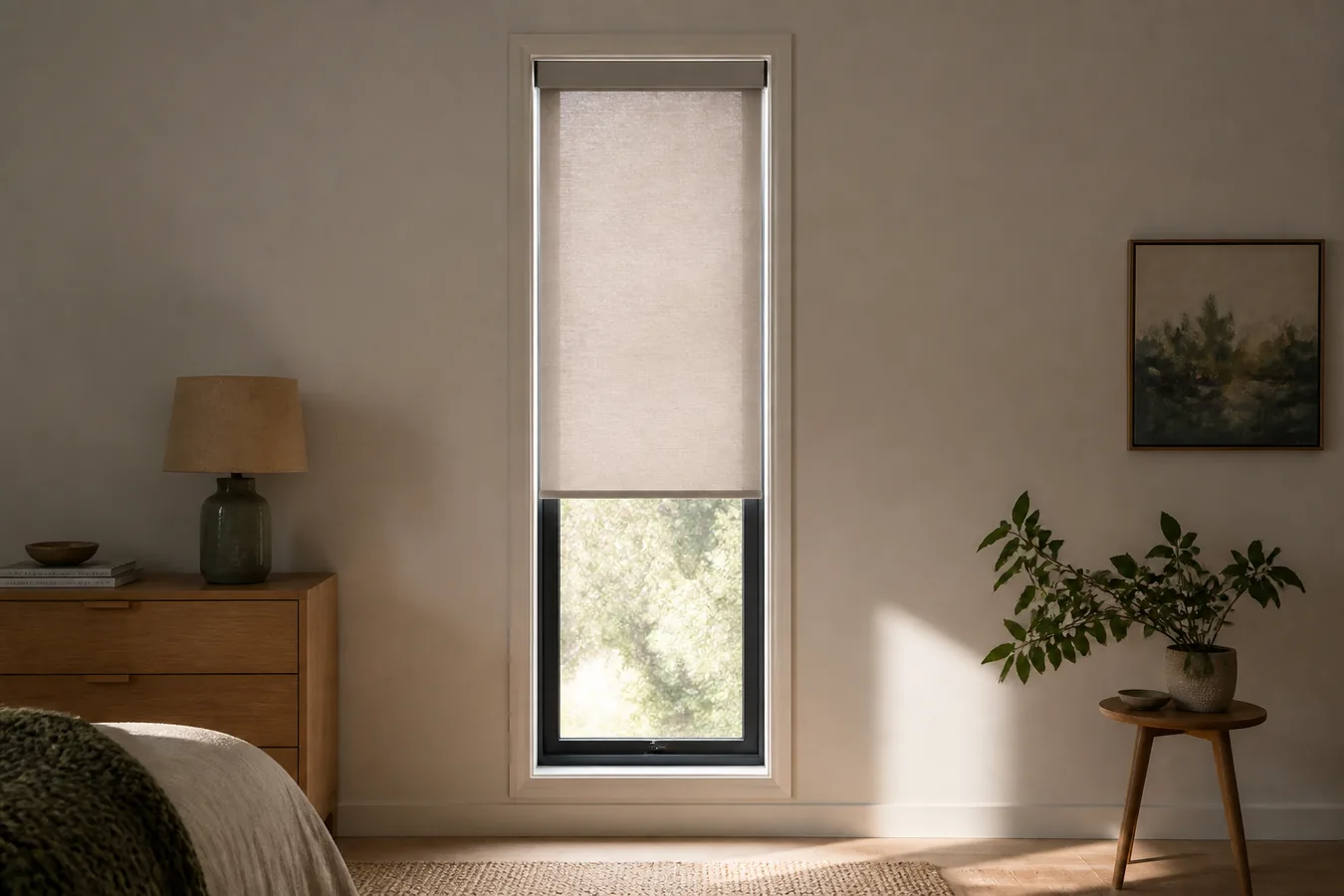
Compare exact minimum width, finished side gaps, motor space and tall-drop tracking so a narrow blind can reach the sill without drifting off line.
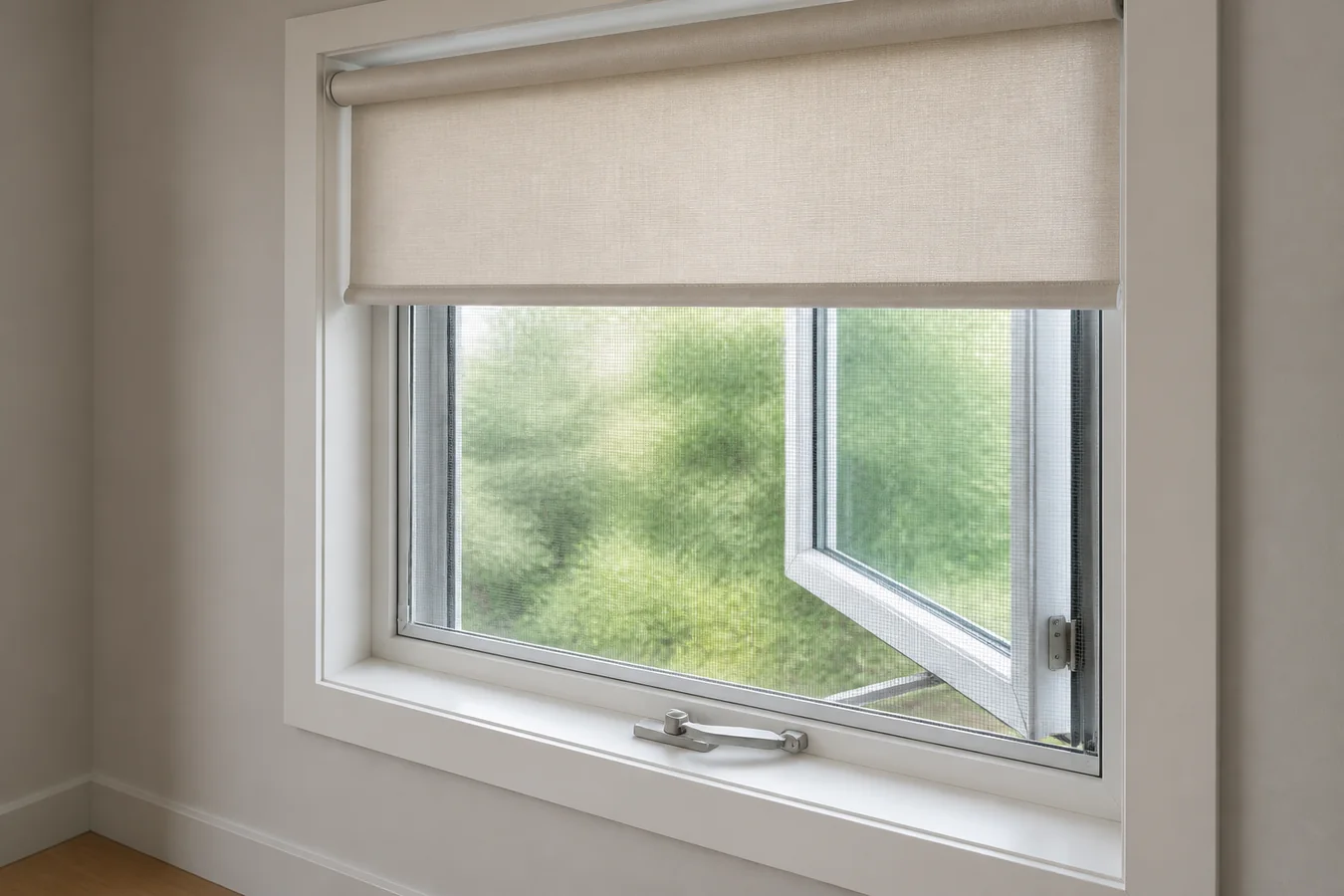
Map the sash, crank, locks, screen and shade path before choosing an inside mount, outside mount, reverse roll or side-clearing treatment.
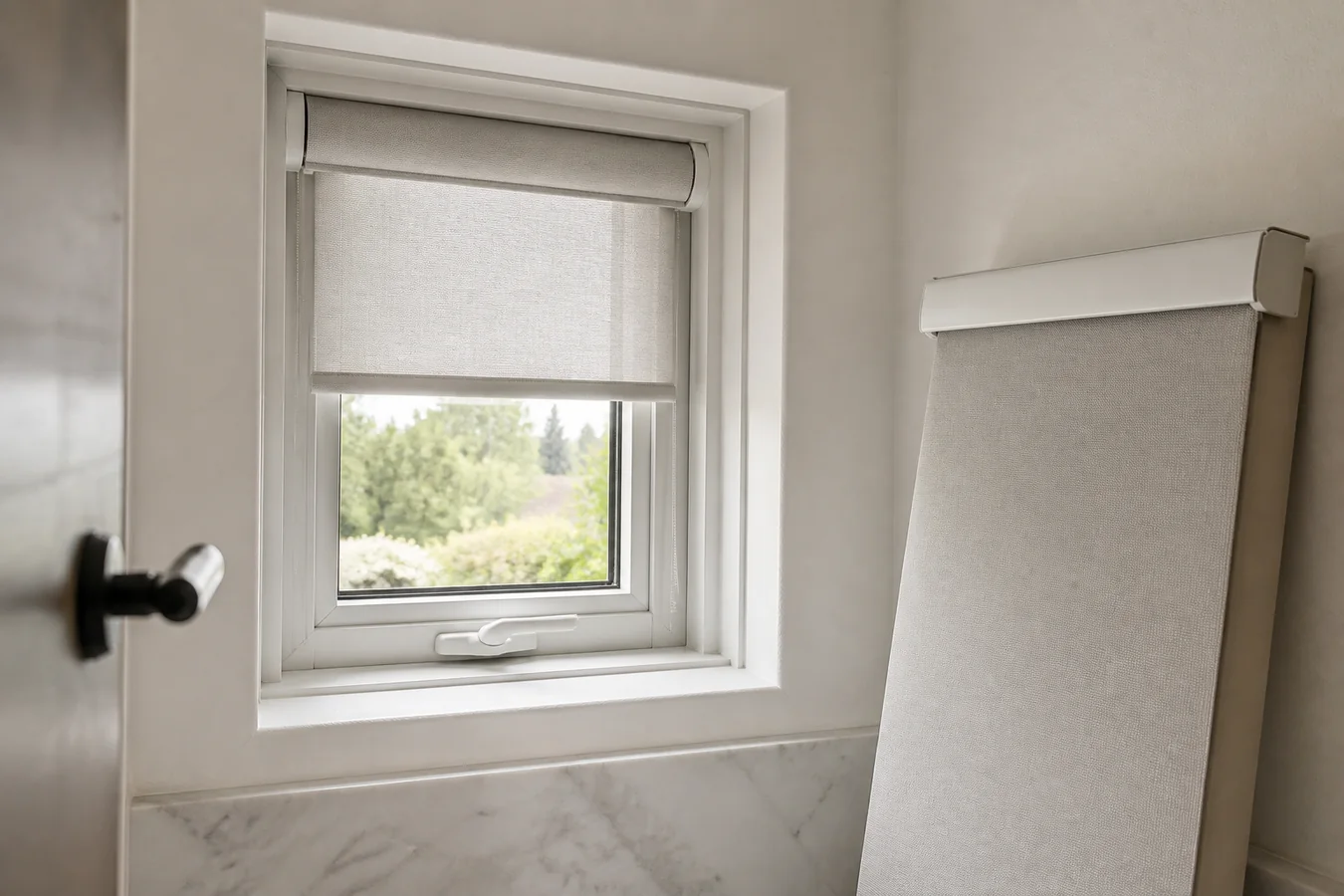
Subtract the exact headrail, brackets, raised stack, fabric width, controls and gaps before choosing inside- or outside-mount blinds for a small window.
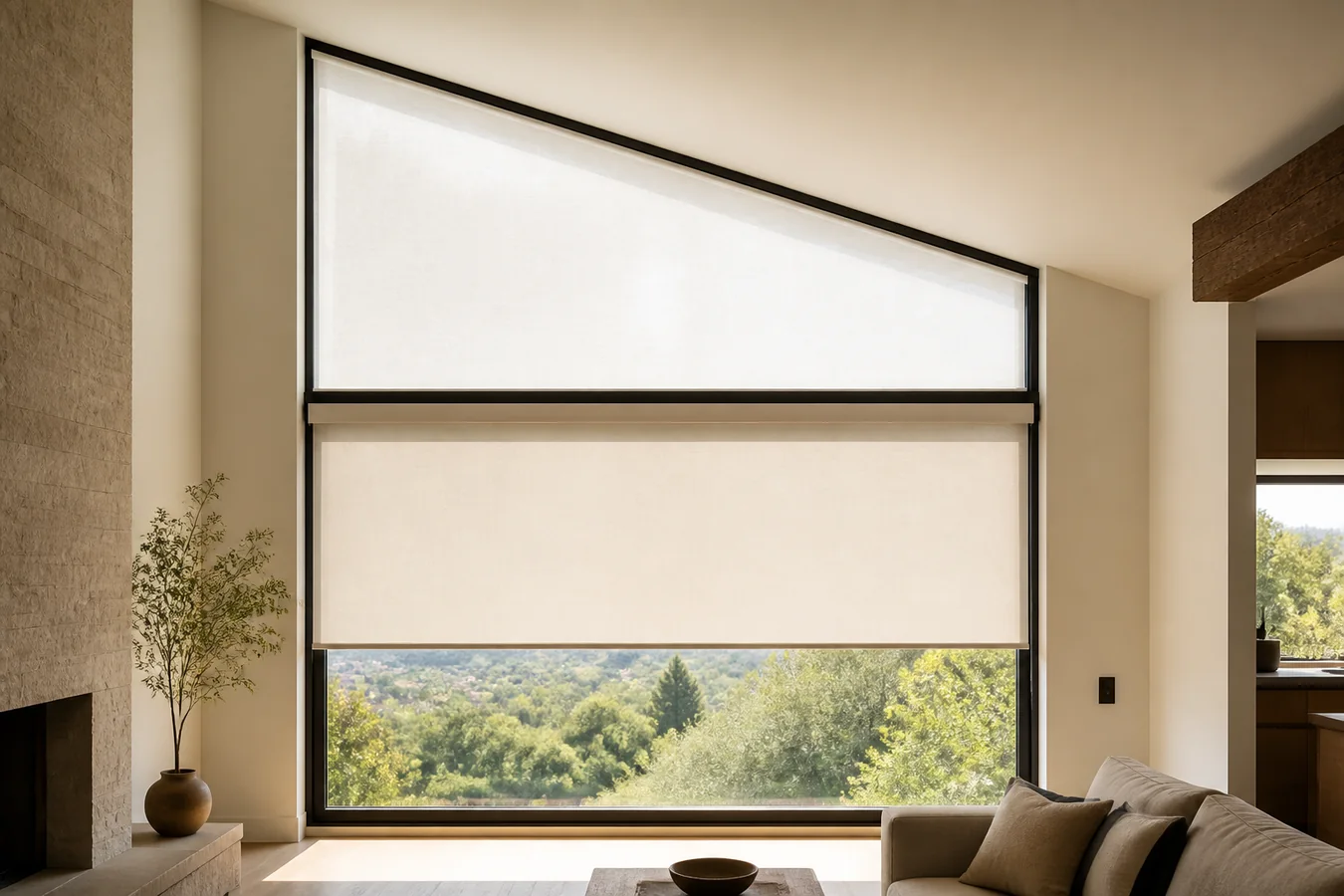
Label all four sides and the zone that must move before choosing a fixed, split or fully operable trapezoid shade and planning power or service.
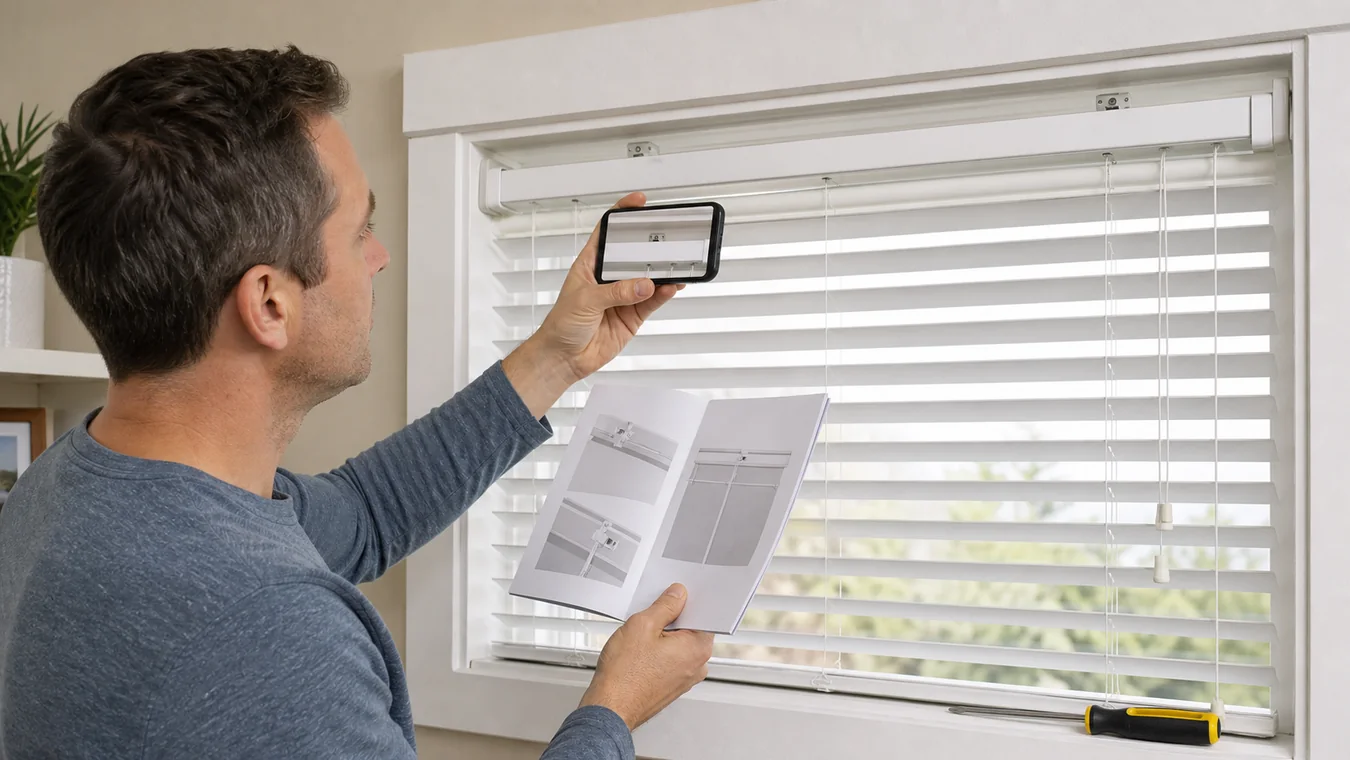
Photograph the headrail, end hardware, mounting joint, and label; then match the correct horizontal, cellular, roller, or vertical removal method.
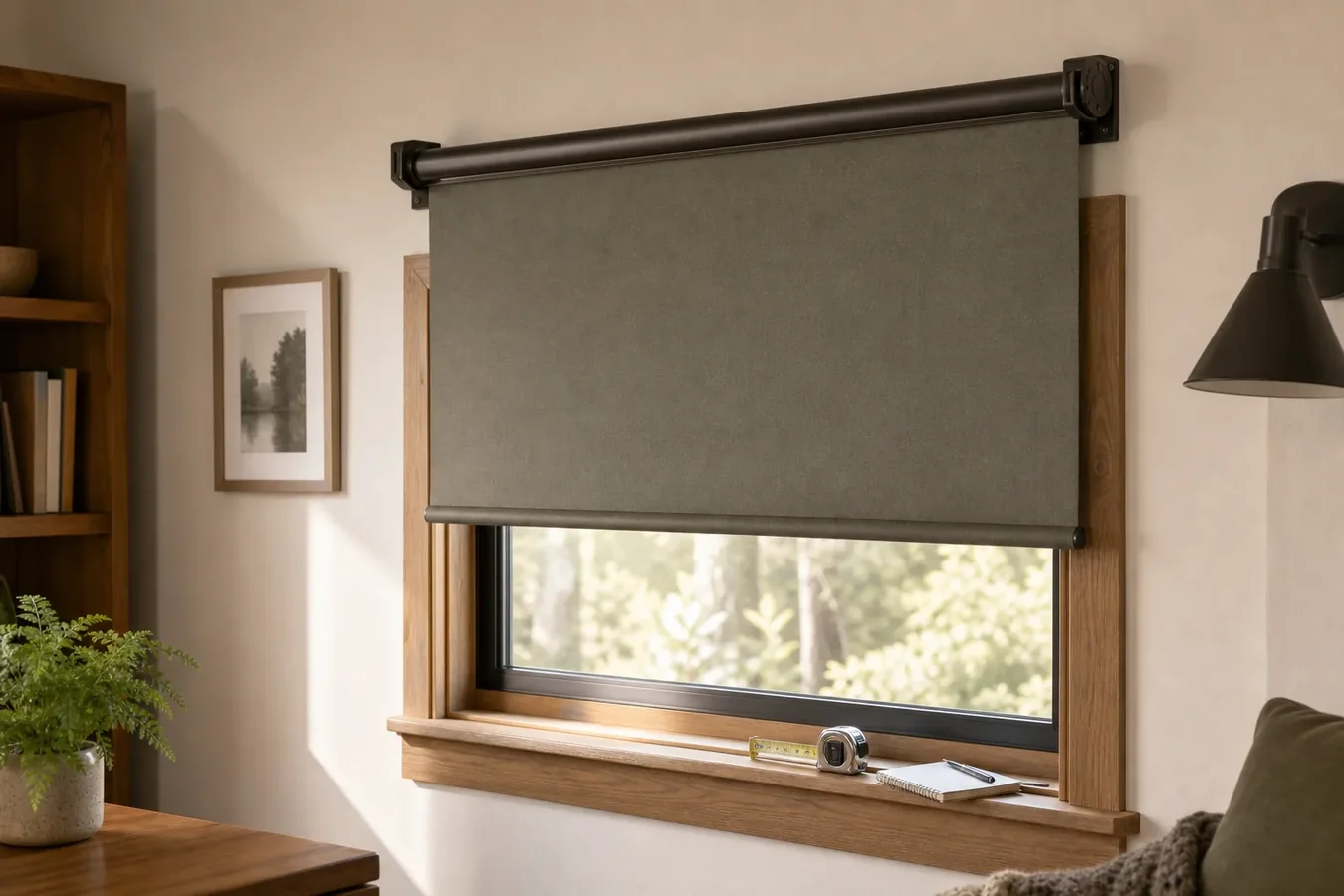
Plan outside mount roller shades from the fabric edges inward. Separate order width from cloth width, clear the trim, and catch motor-side conflicts.
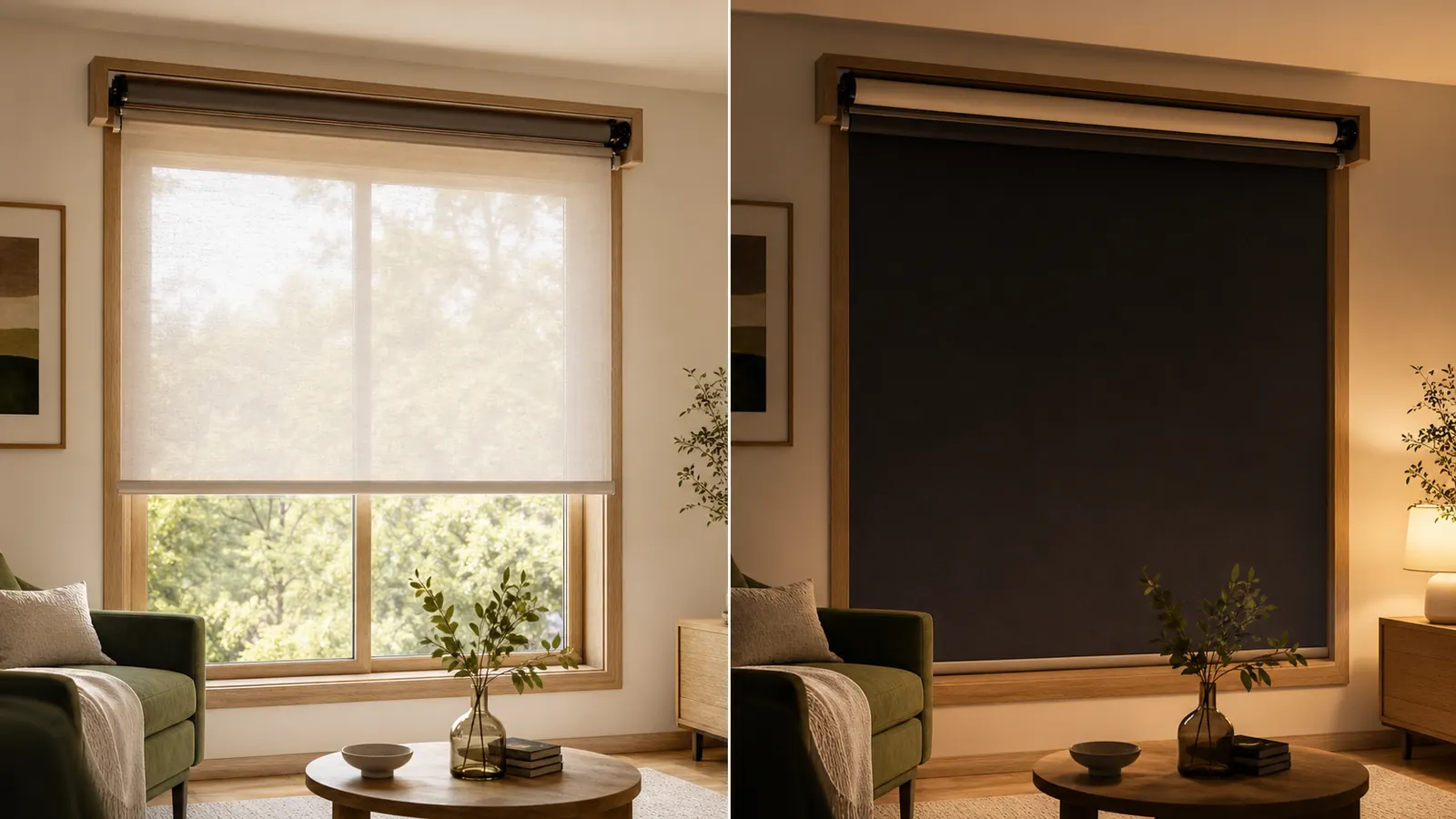
See when dual shades earn their extra headrail depth, how two fabrics, finished gaps and independent controls change the order, and when one shade is enough.
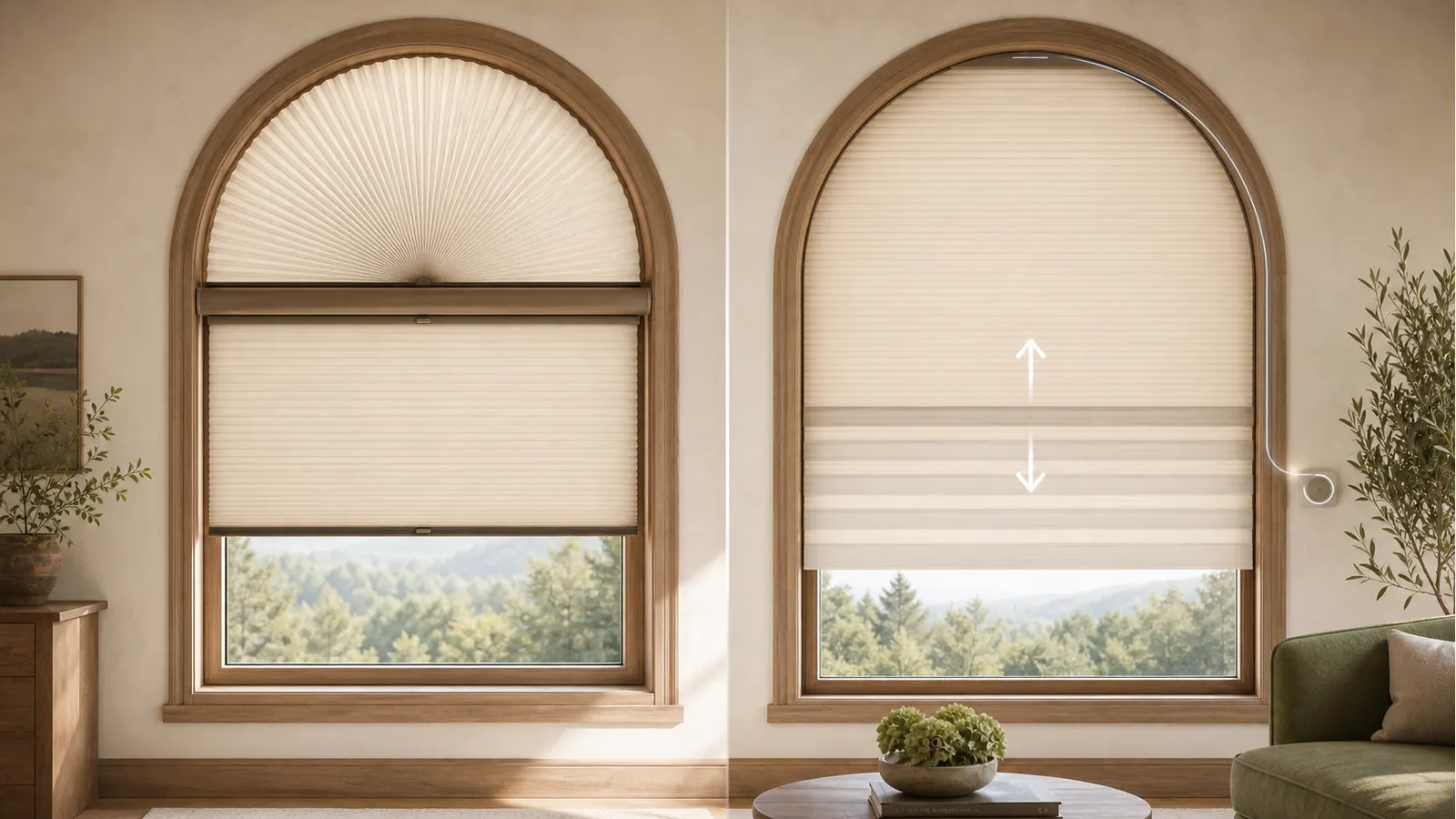
Learn how arch shape, fixed versus operable sections, templates, mounting depth and charging access change an arched-window order before custom sizing.
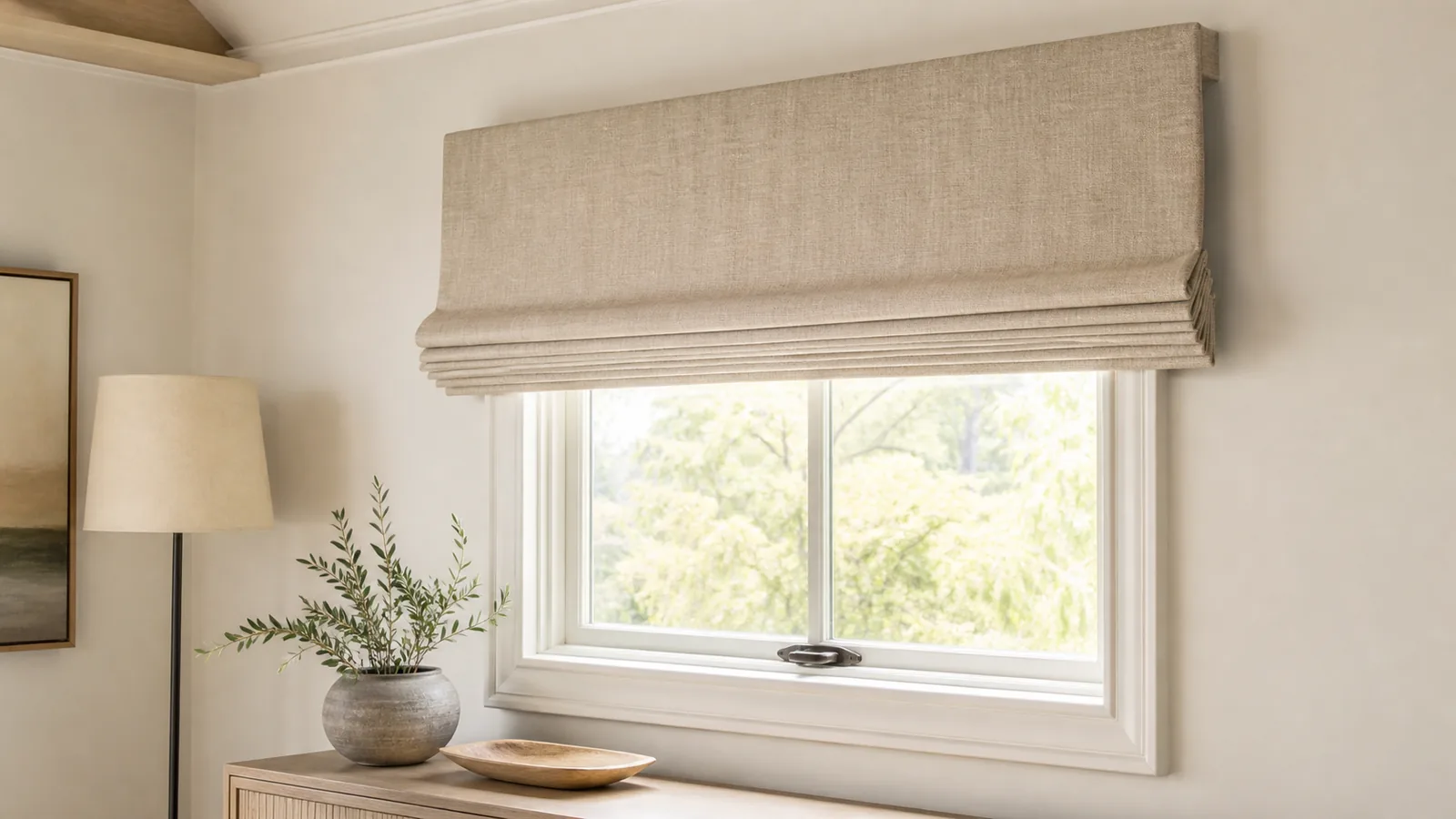
See how side overlap, flat mounting space, projection and raised stack change outside mount Roman shades before you submit custom dimensions.