
Narrow Blinds: Check the Full Drop Before You Order
Compare exact minimum width, finished side gaps, motor space and tall-drop tracking so a narrow blind can reach the sill without drifting off line.
 targeter_site001
Compare exact minimum width, finished side gaps, motor space and tall-drop tracking so a narrow blind can reach the sill without drifting off line.
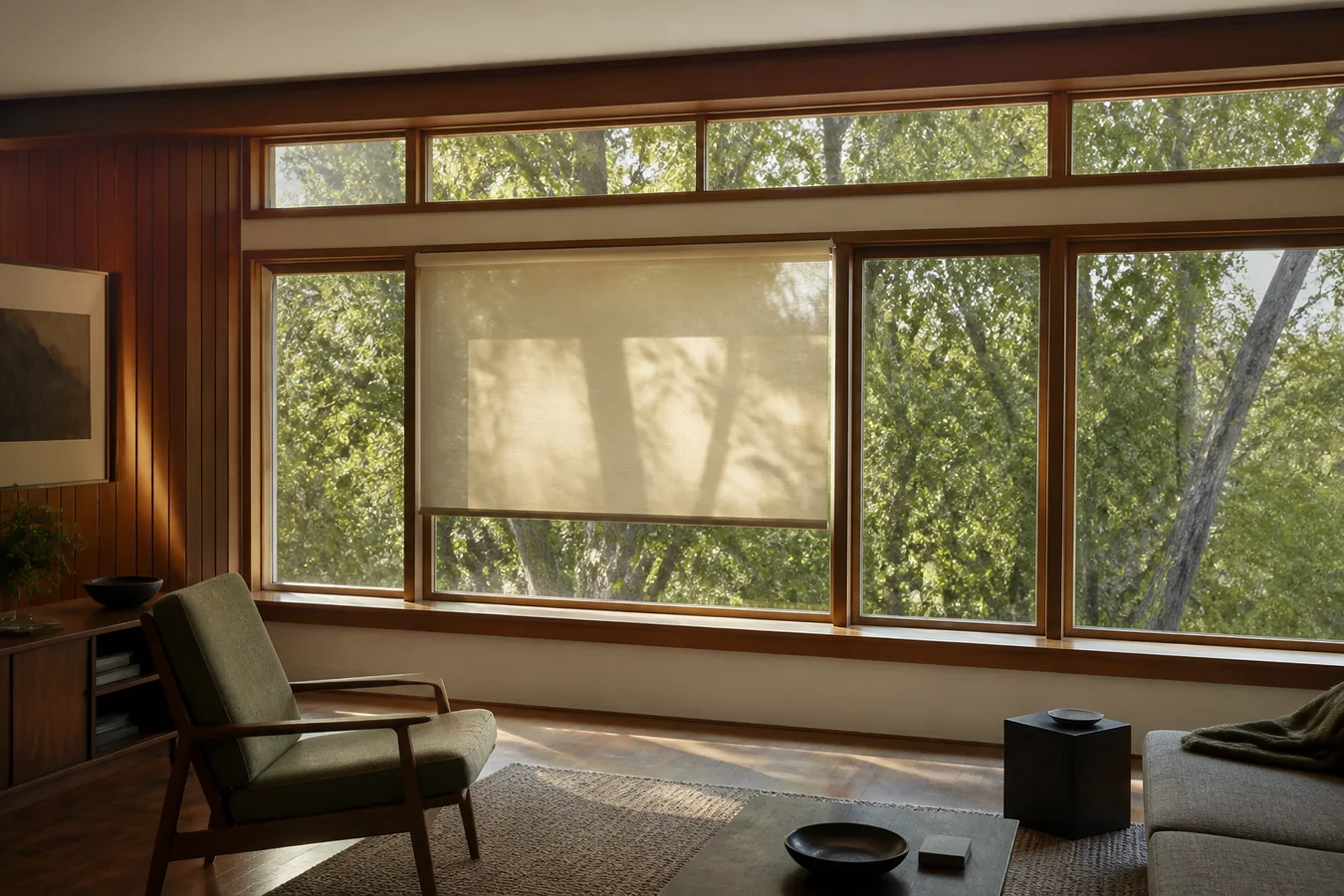
Preserve the window grid, clerestory and view while solving glare and privacy. Map the exact shade hardware, stack, fabric and controls before ordering.

Map the view you want to keep, then compare glare, daylight and night-privacy states against exact product size, split lines, stack and controls.

Turn a four-or-more-panel bow into segment and joint records, then check product depth, window operation, gaps, group controls and service before ordering.
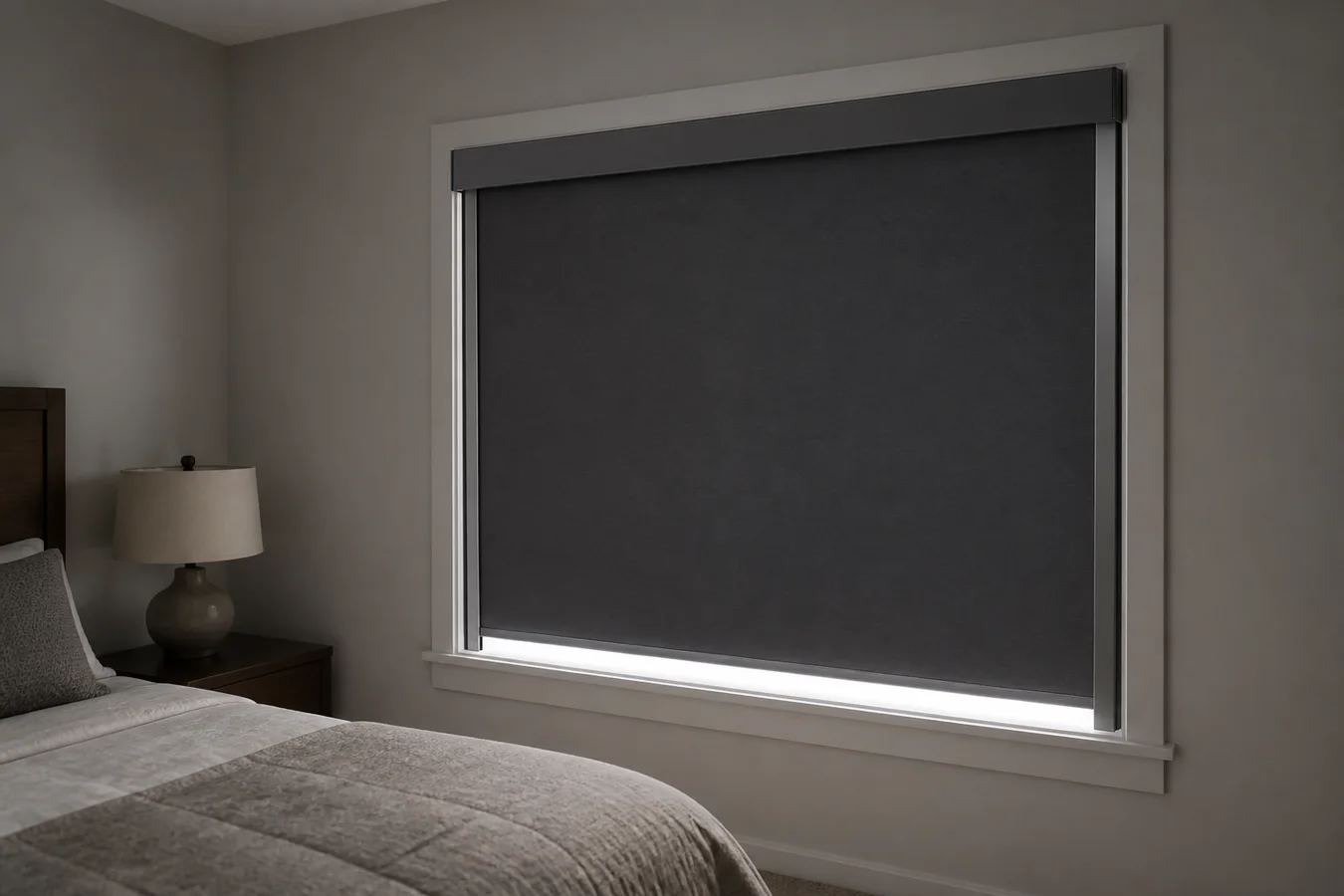
Trace light at the cassette, side channels and sill, then check fabric travel, hembar friction and service access before approving a tracked blackout system.

Map the sash, crank, locks, screen and shade path before choosing an inside mount, outside mount, reverse roll or side-clearing treatment.

Check the carrier, top attachment, vane profile, finished length and overlap before choosing one replacement vane, a full set or a new headrail.

Compare relaxed Roman shades fully lowered, partly raised and fully raised. See how fabric, lining, grouped windows and daily use change the curve.
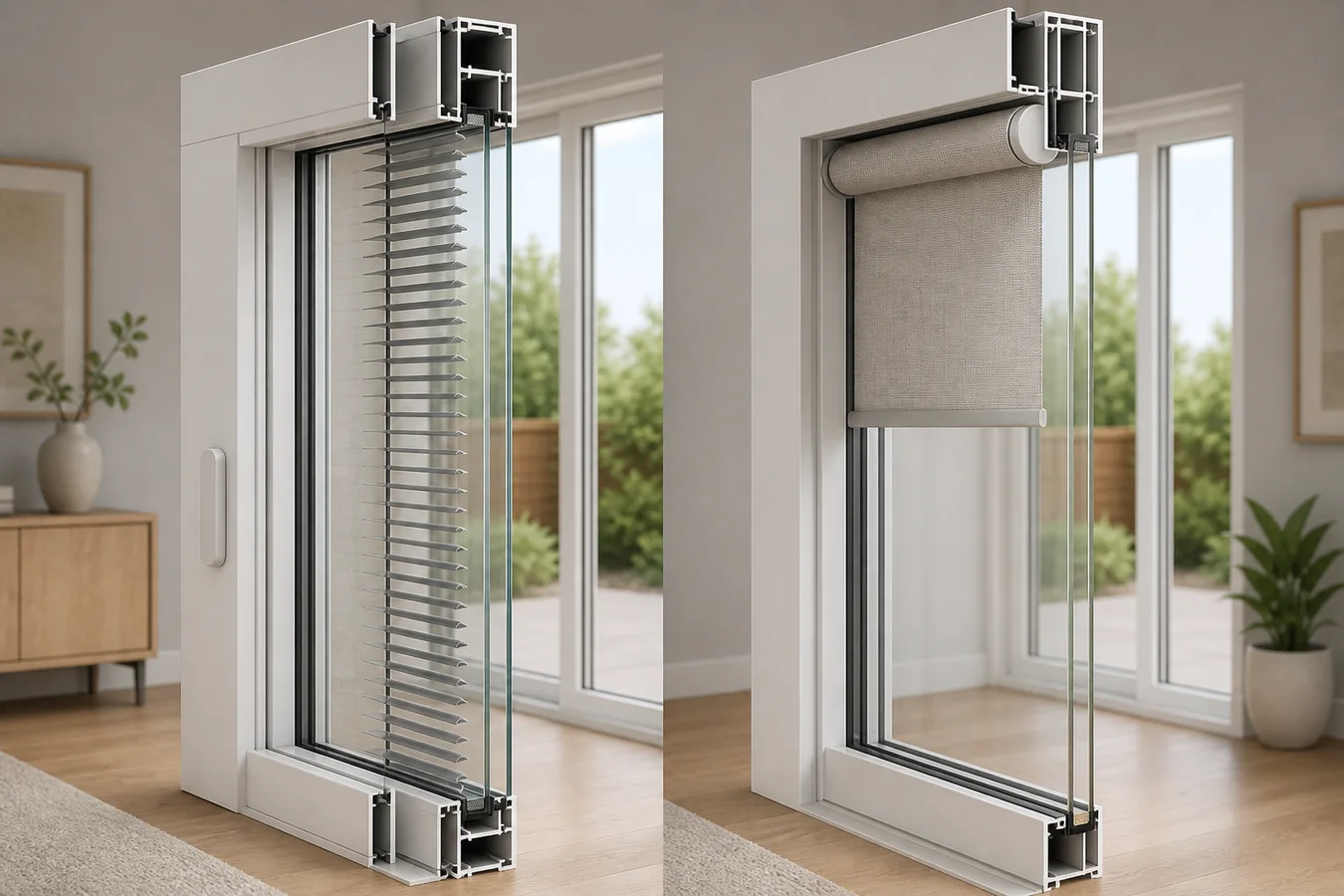
Compare integrated blinds with a separate shade by glass package, operation, night privacy, service unit and warranty before ordering a patio door.
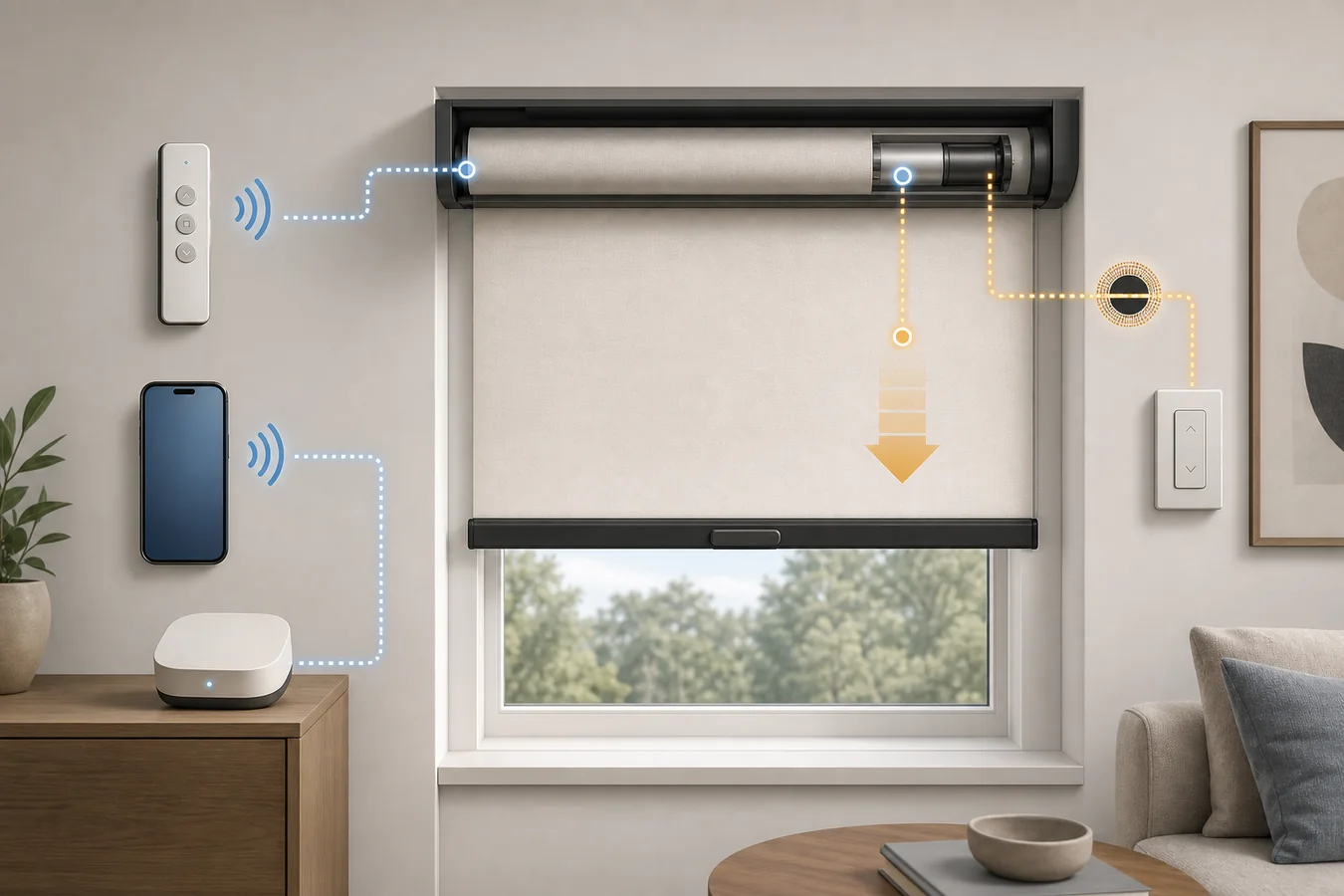
Separate power, local control, remote, app/hub, limits and mechanical symptoms before resetting a motorized blind or erasing its setup.