
Roman Shades vs Roller Shades: Compare Them Fully Raised
Compare Roman folds and roller tubes when raised, lowered, backlit and moving—then check liner, gaps, depth, controls, care and service.
 targeter_site001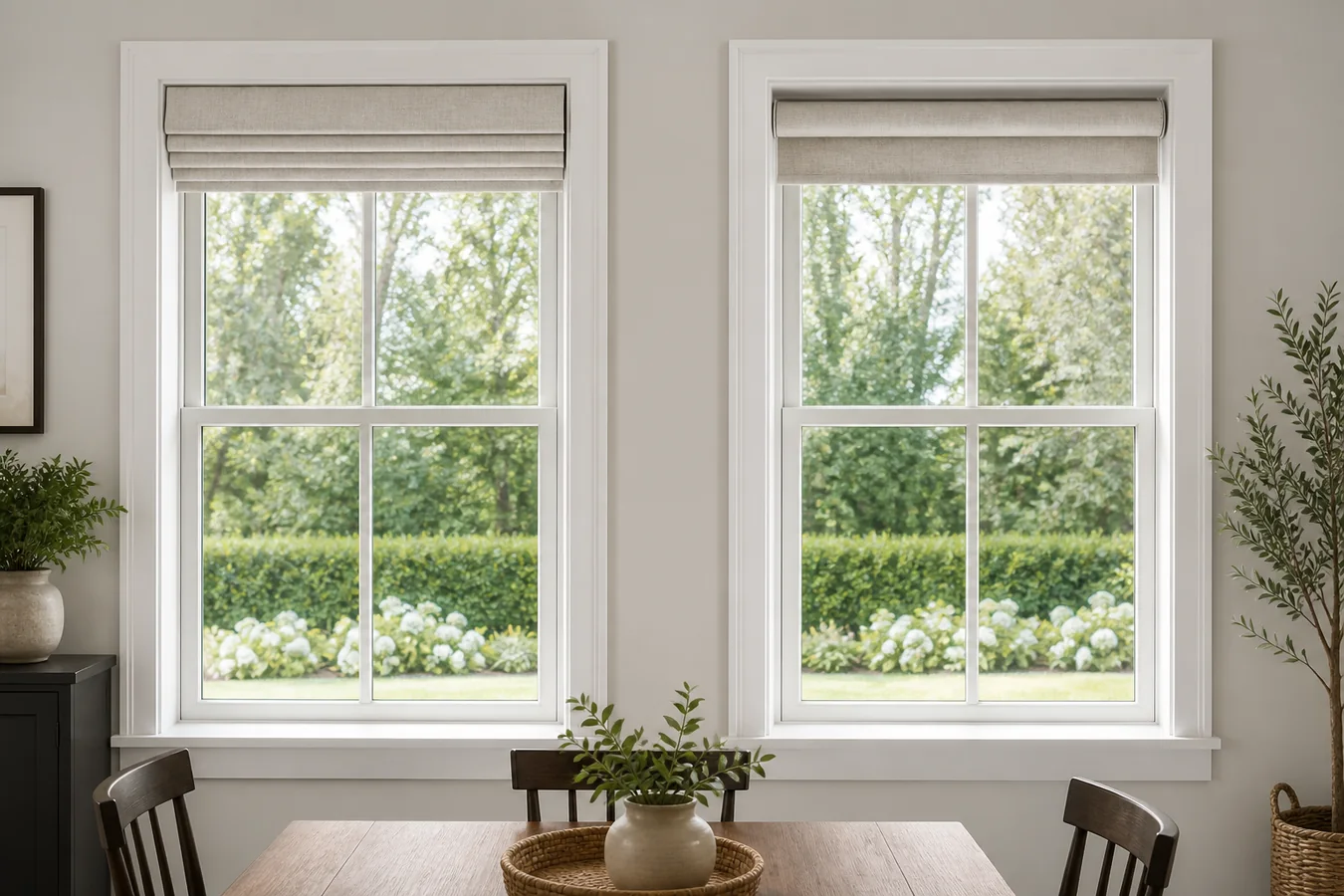
Compare Roman folds and roller tubes when raised, lowered, backlit and moving—then check liner, gaps, depth, controls, care and service.
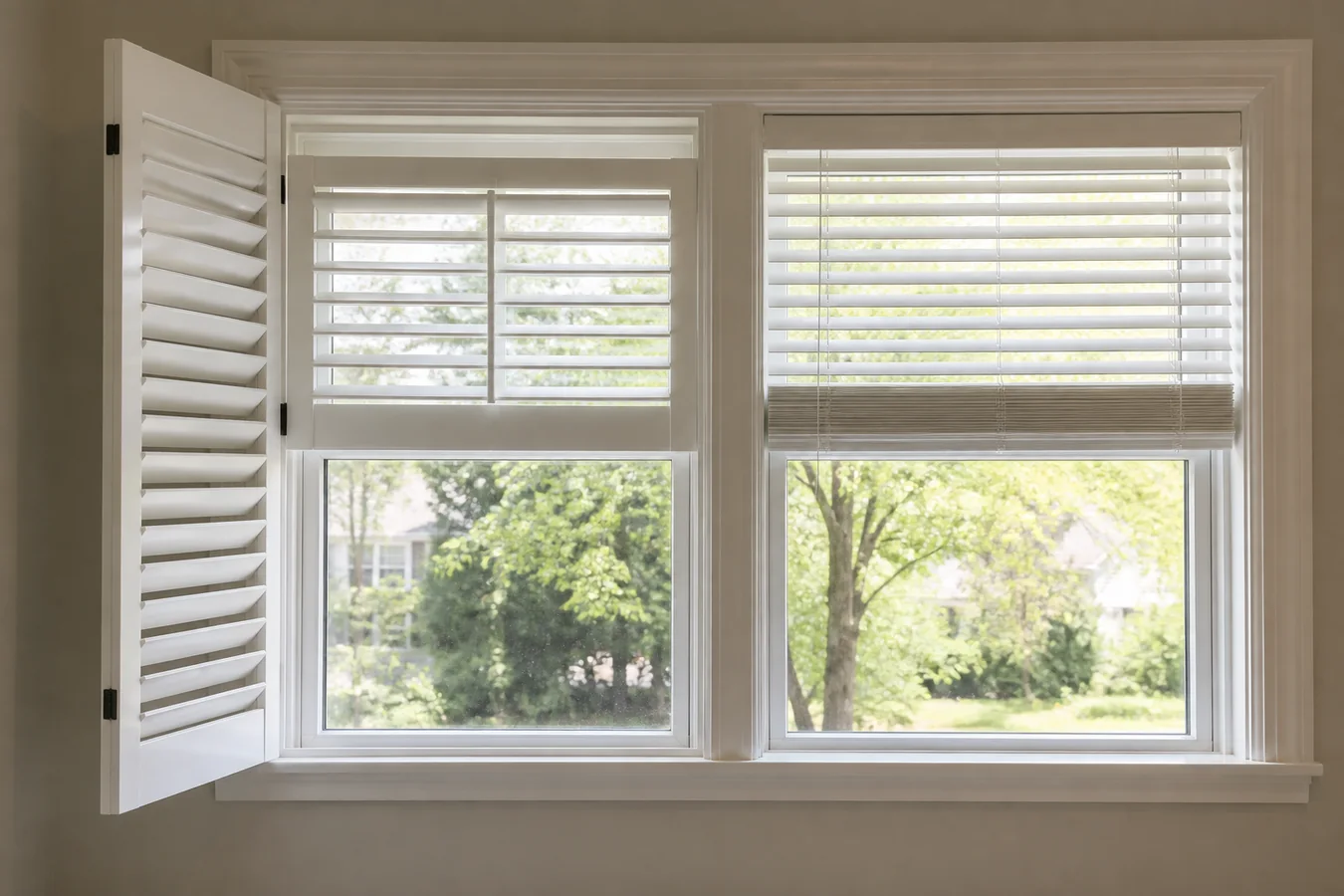
Draw shutter frames, panel swing, blind headrails and raised stacks on the same window before comparing light, cleaning, controls or permanence.
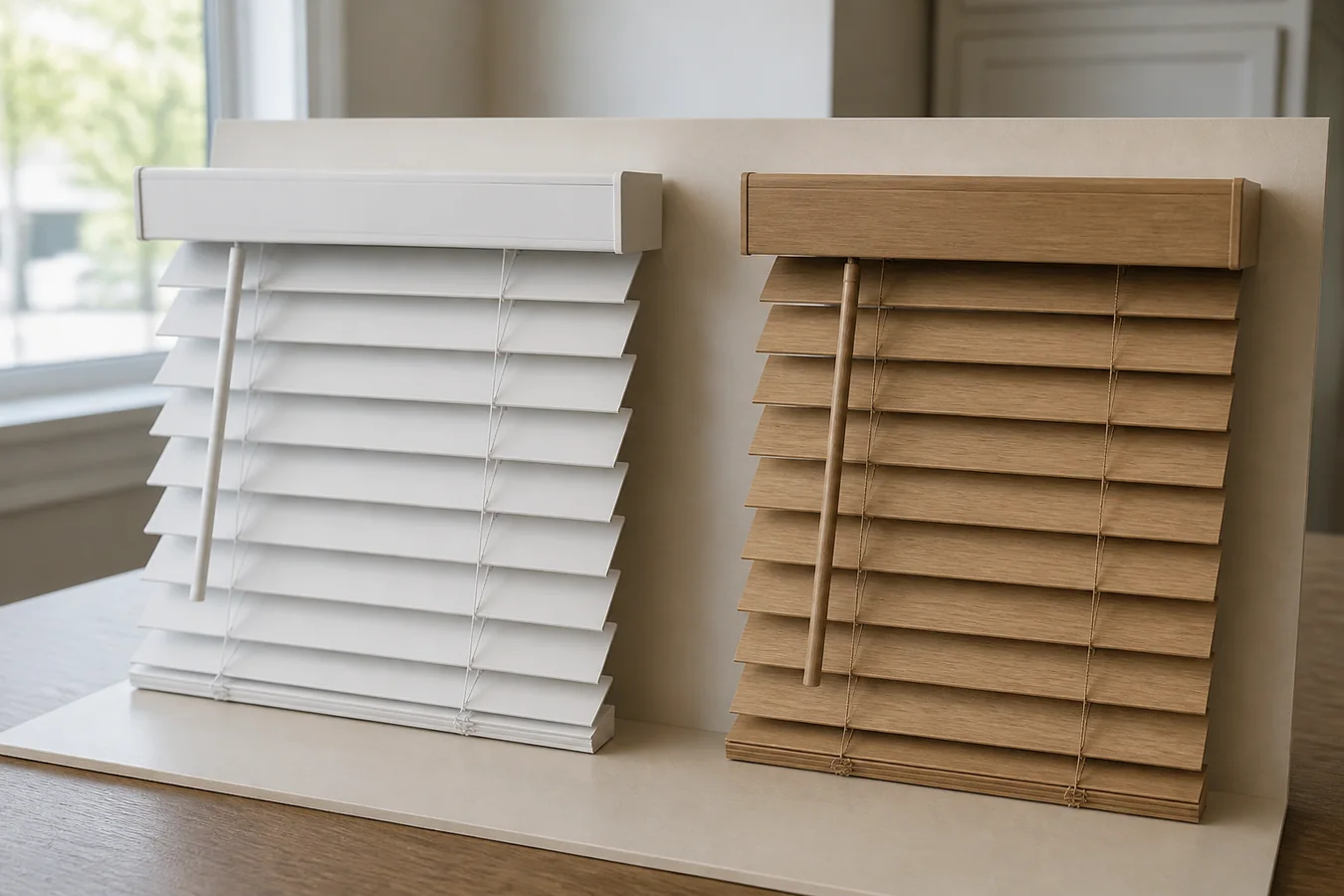
Compare two exact blinds by slat material, reinforcement, weight, size limits, moisture, care, warranty and lift—not overlapping labels.
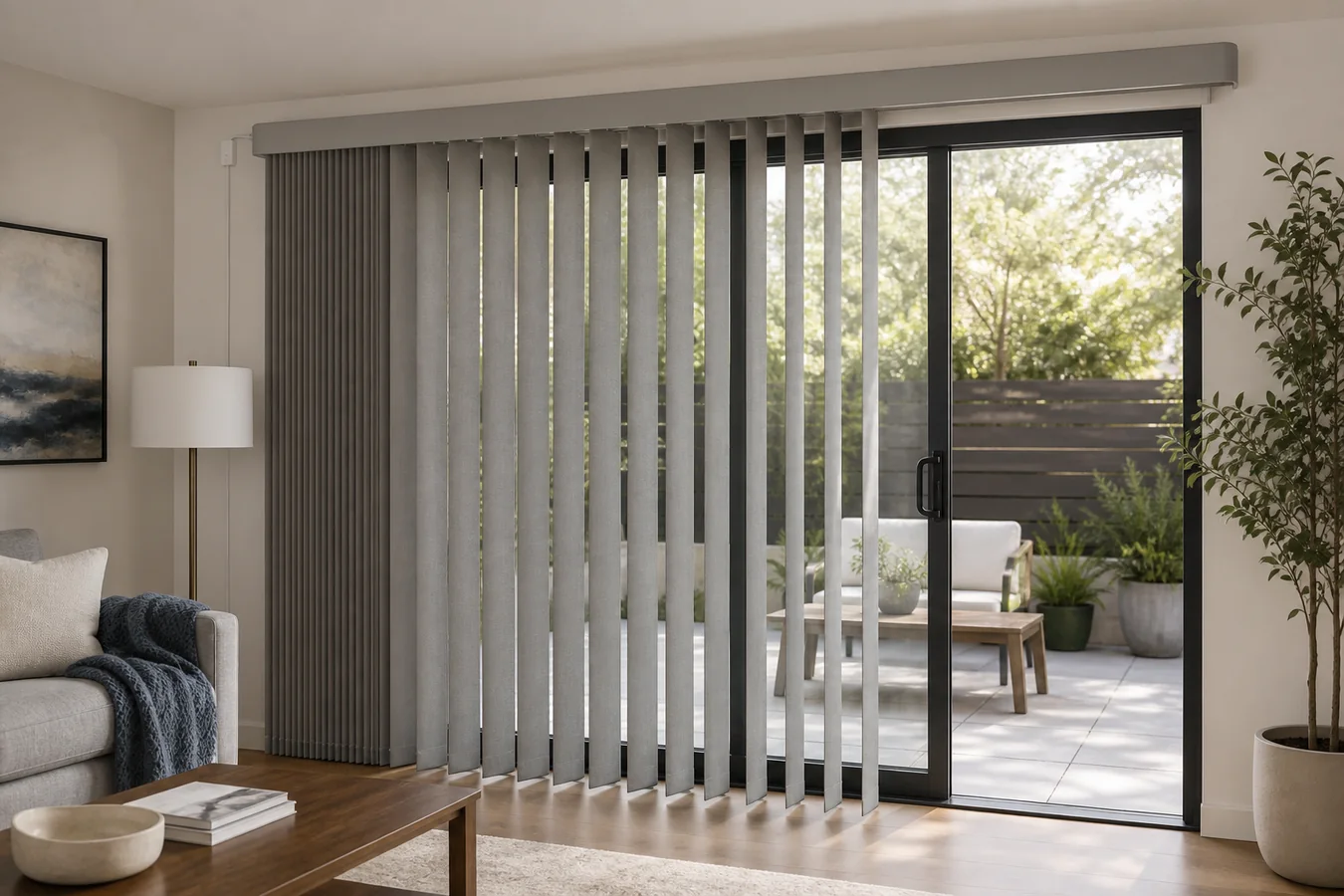
Check vane rotation, track traversal, doorway clearance, controls, power-loss behavior and manual fallback before ordering motorized vertical blinds.
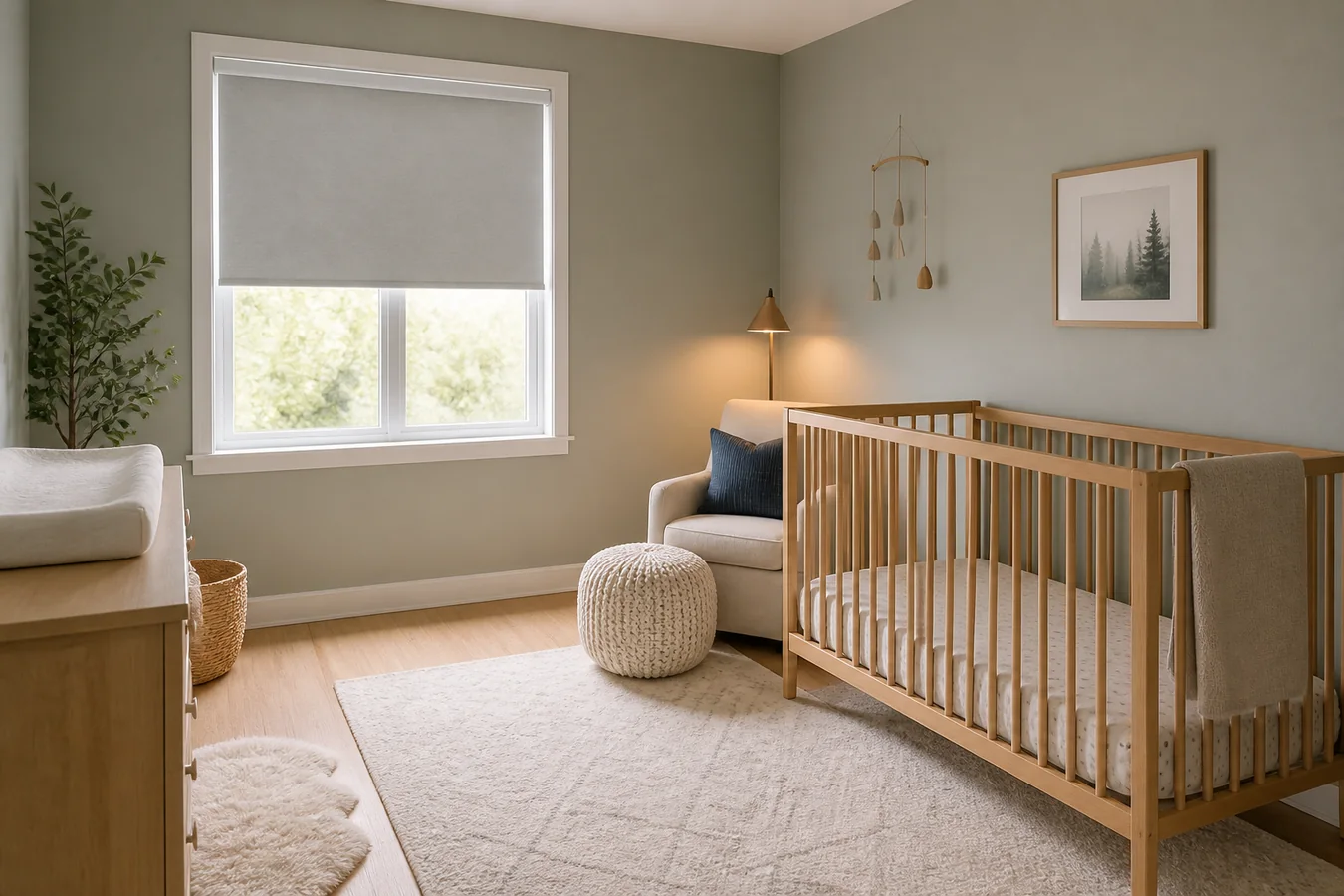
Plan a nursery window through crib safety, naps, night privacy, edge light, quiet controls and service access before choosing blackout shades.
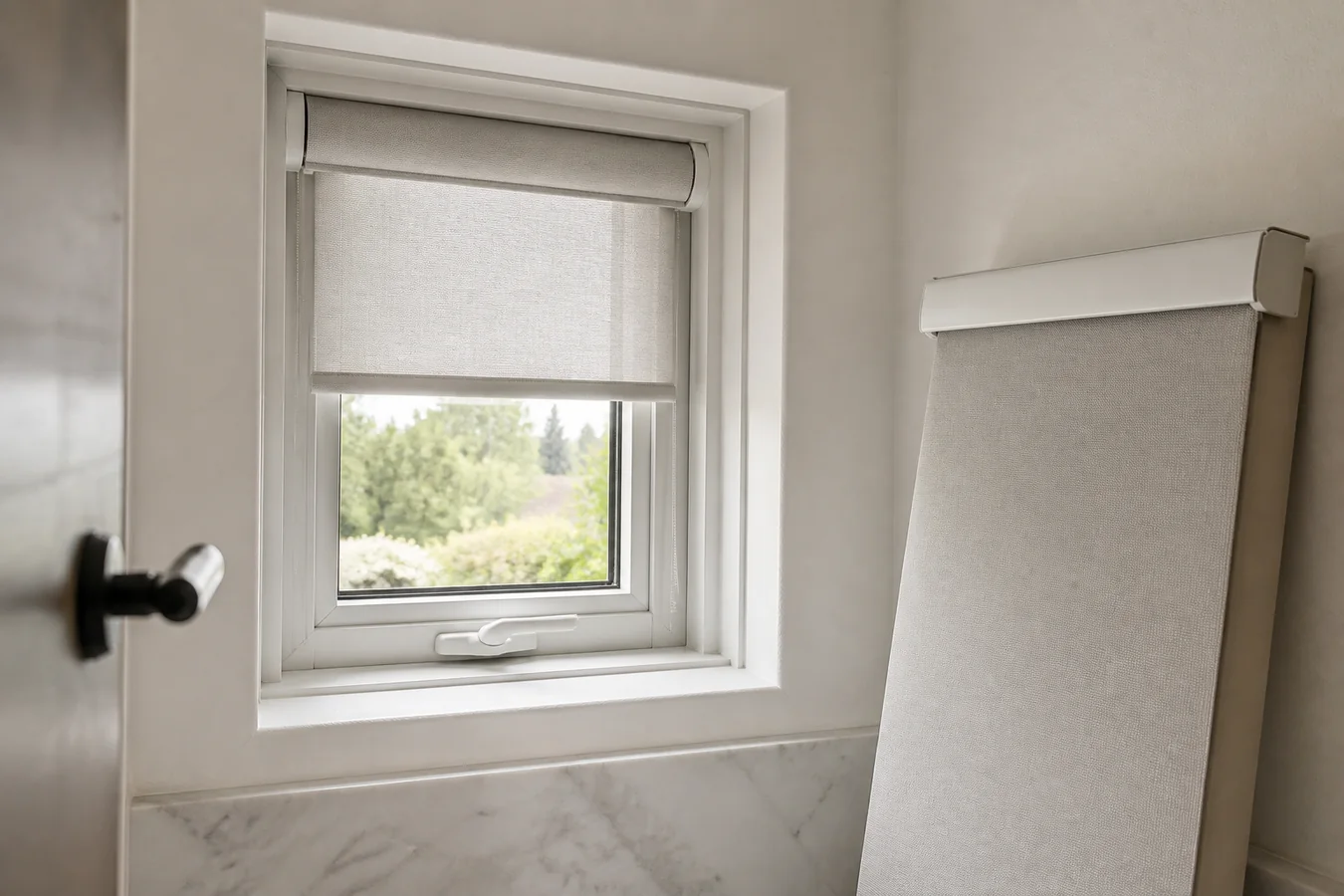
Subtract the exact headrail, brackets, raised stack, fabric width, controls and gaps before choosing inside- or outside-mount blinds for a small window.
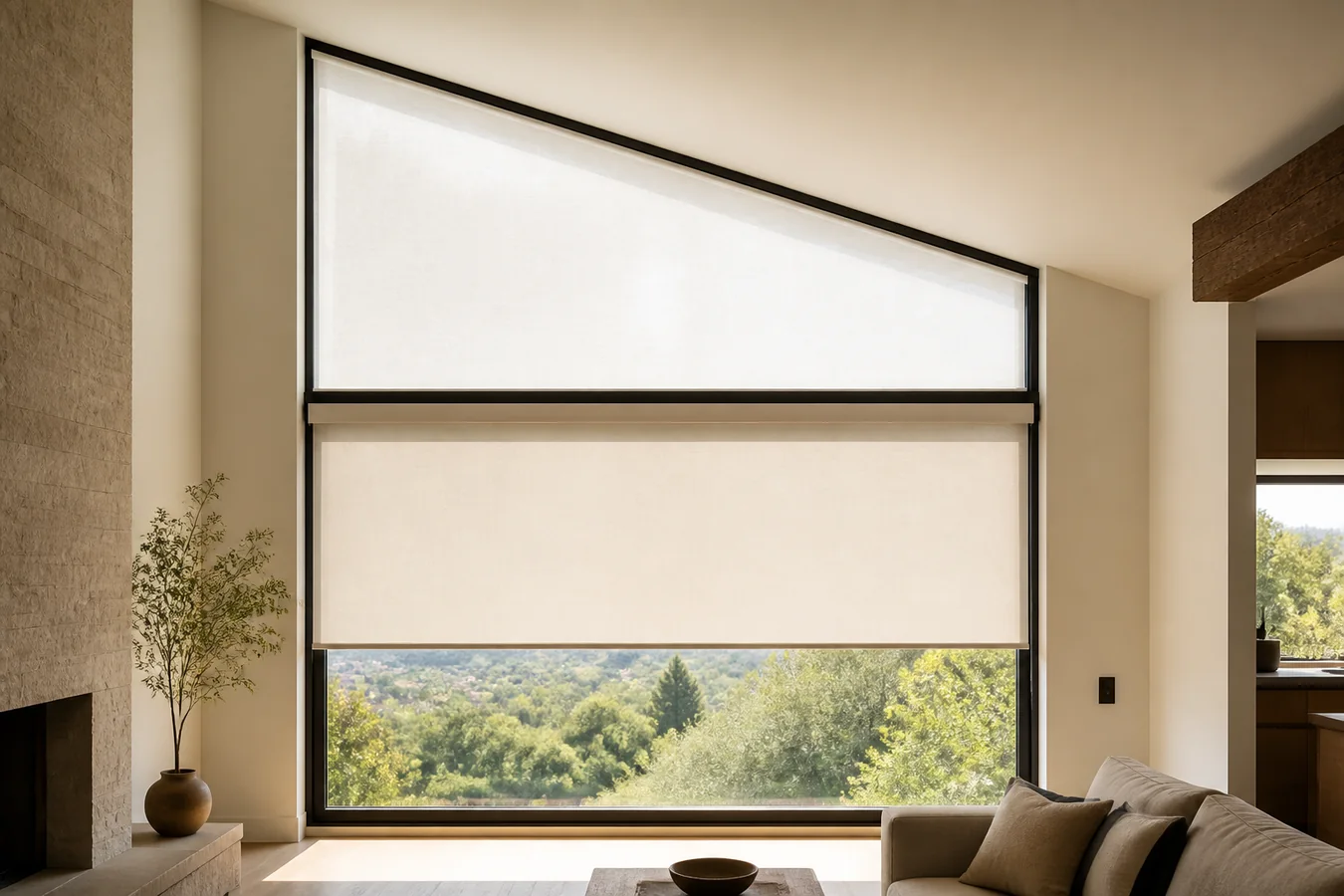
Label all four sides and the zone that must move before choosing a fixed, split or fully operable trapezoid shade and planning power or service.
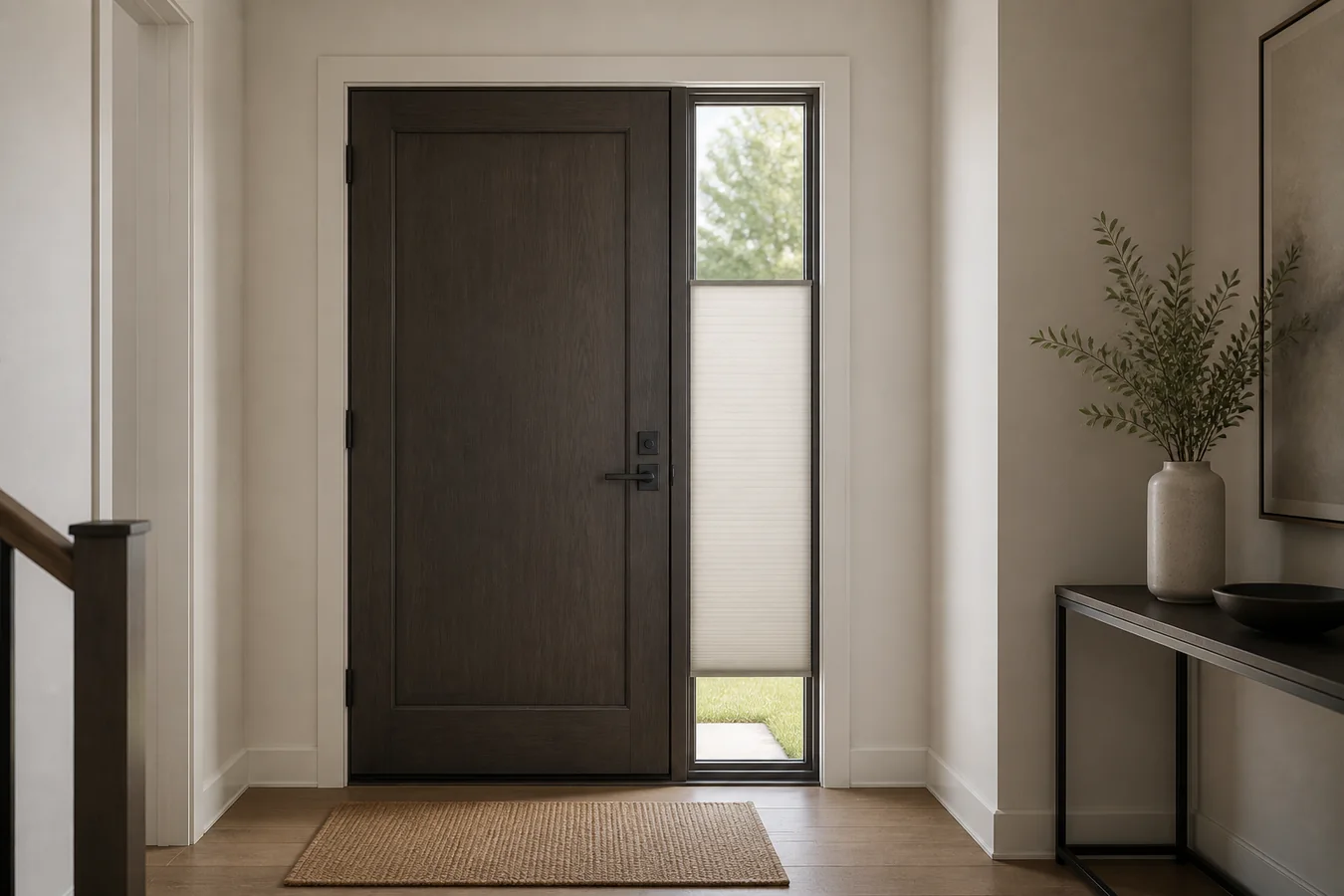
Map the exposed entry sightline, then compare film, narrow shades and enclosed blinds against the frame, handle, door swing and exact glass.
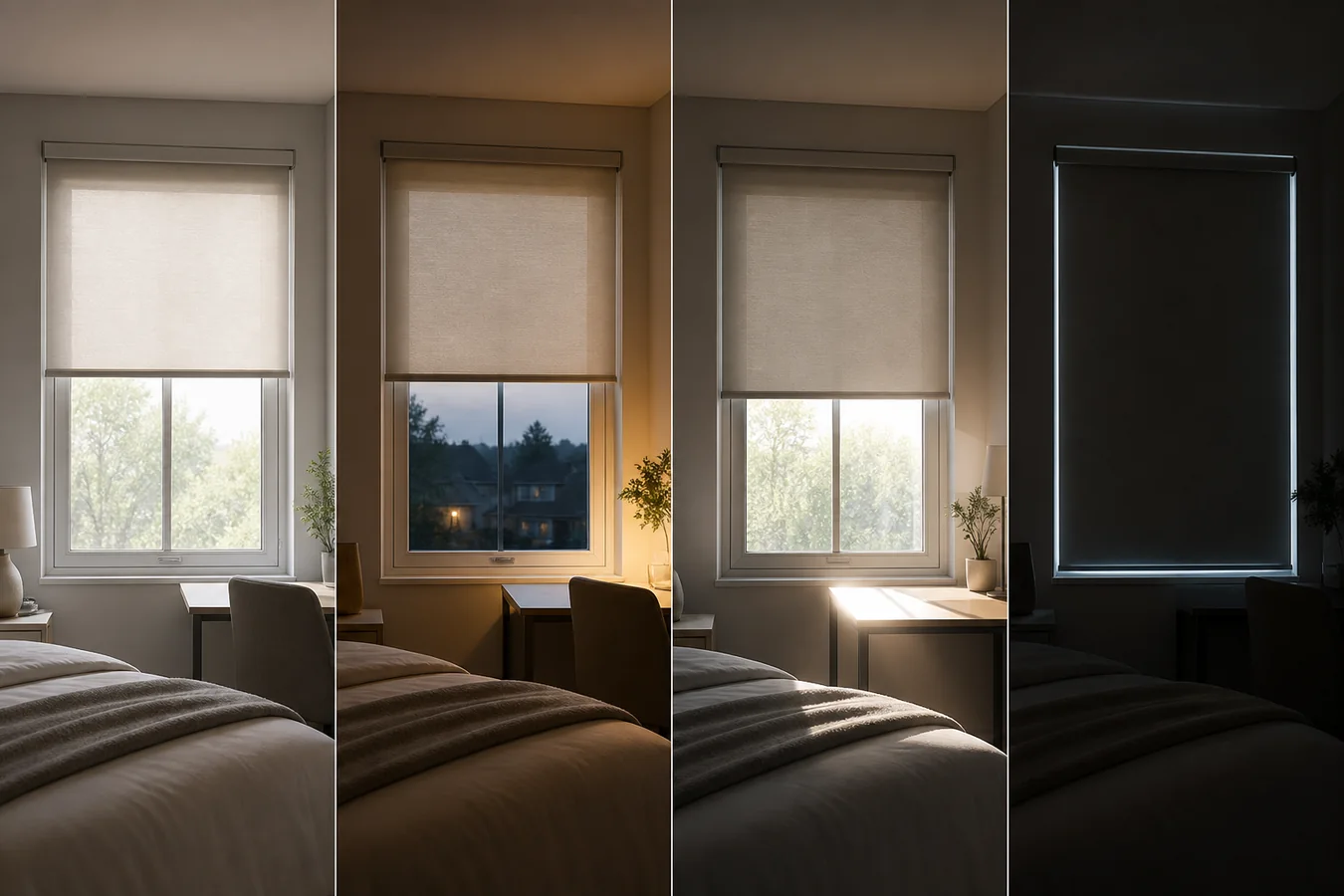
Compare the exact shade sample in daylight, after dark, against glare and at the edges before choosing light-filtering, room-darkening or blackout.
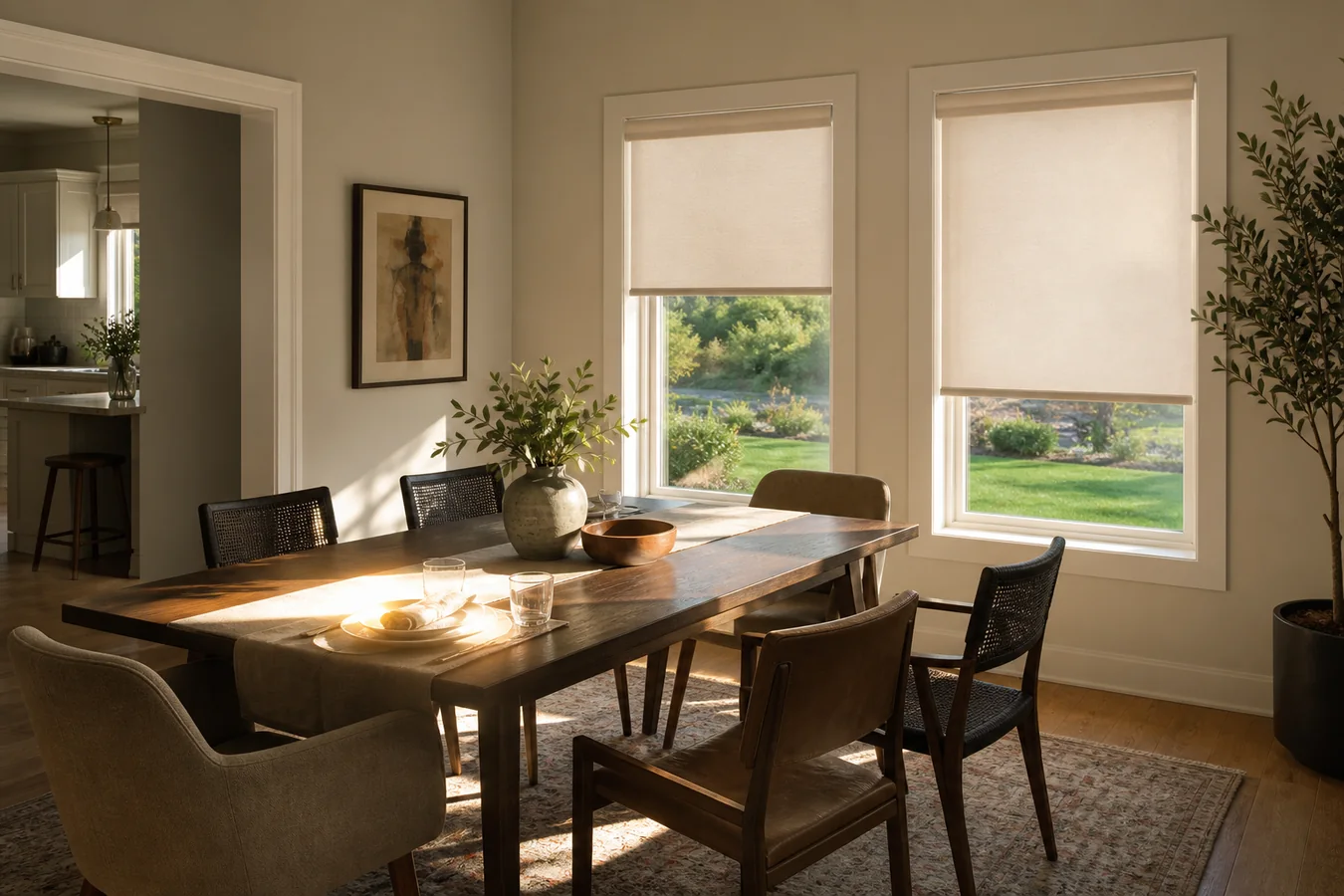
Map glare, evening privacy, views, doors, radiators and cleaning at every dining chair before choosing shades, blinds, curtains or layers.