
Blinds for Very Large Windows: Decide Where the Opening Should Split
Map mullions, panel widths, fabric gaps, drives and power before choosing one oversized shade or several coordinated blinds for a wide opening.
 targeter_site001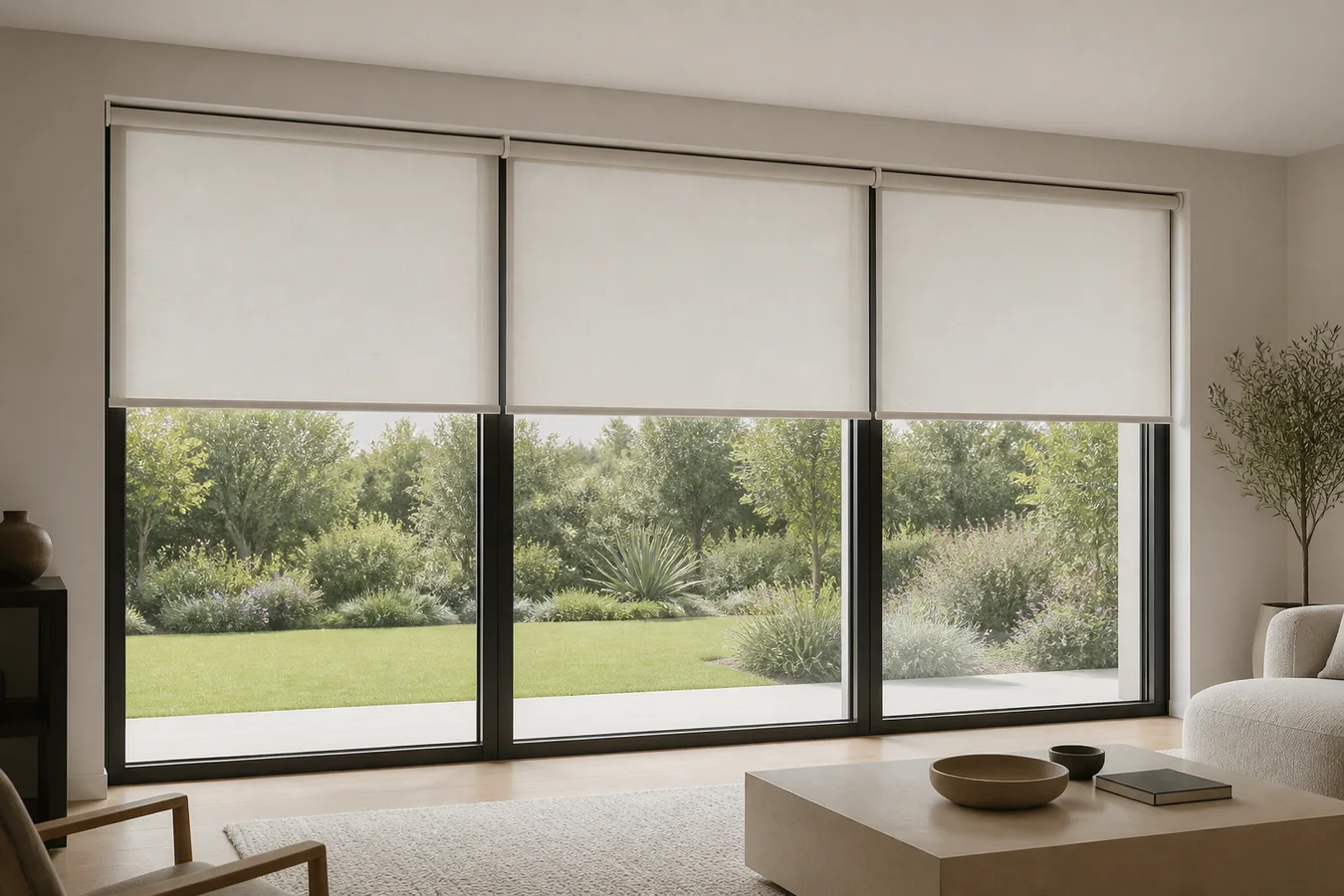
Map mullions, panel widths, fabric gaps, drives and power before choosing one oversized shade or several coordinated blinds for a wide opening.
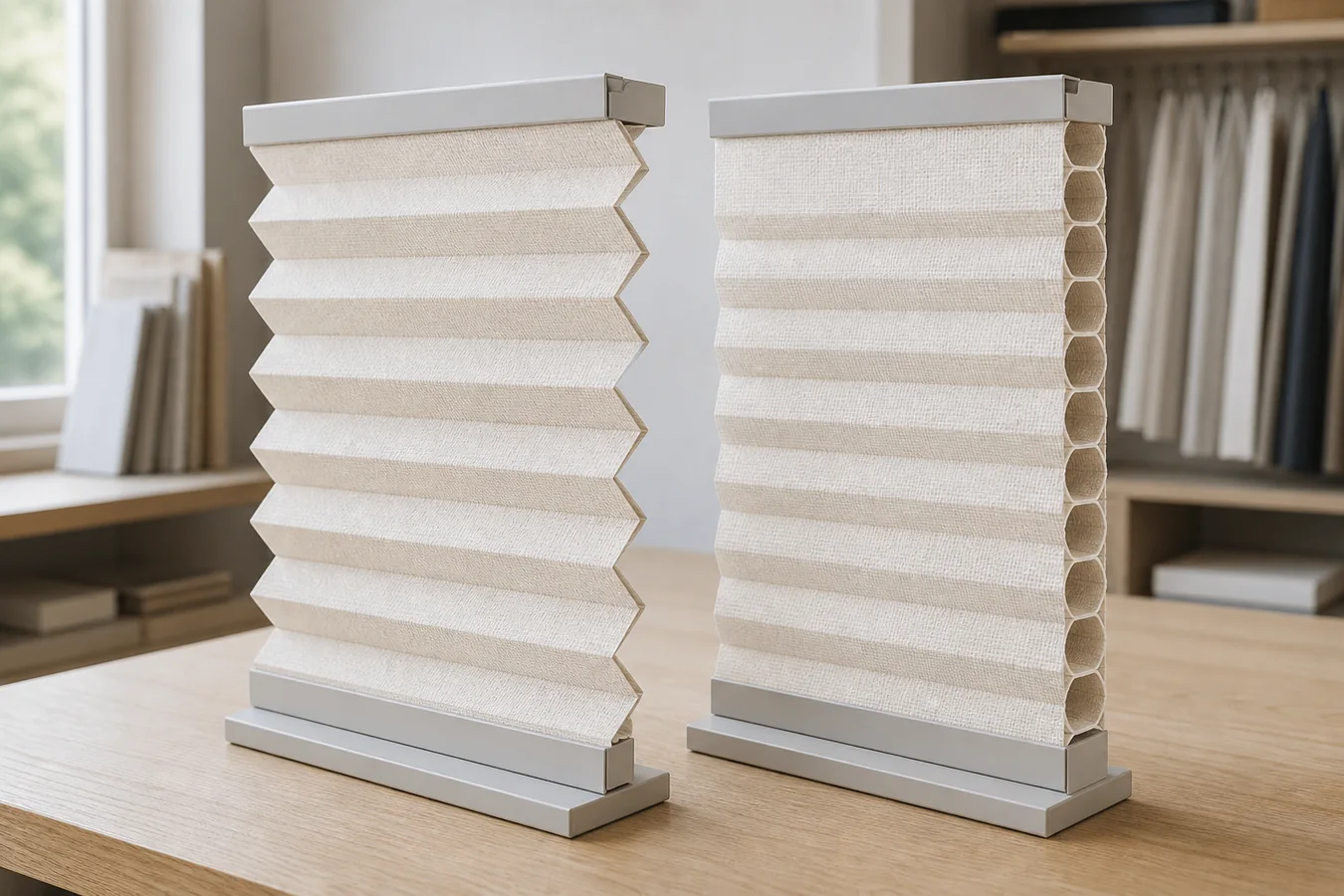
Compare the side profile, exact liner, backlit privacy, product energy rating and control option before choosing pleated or cellular shades.
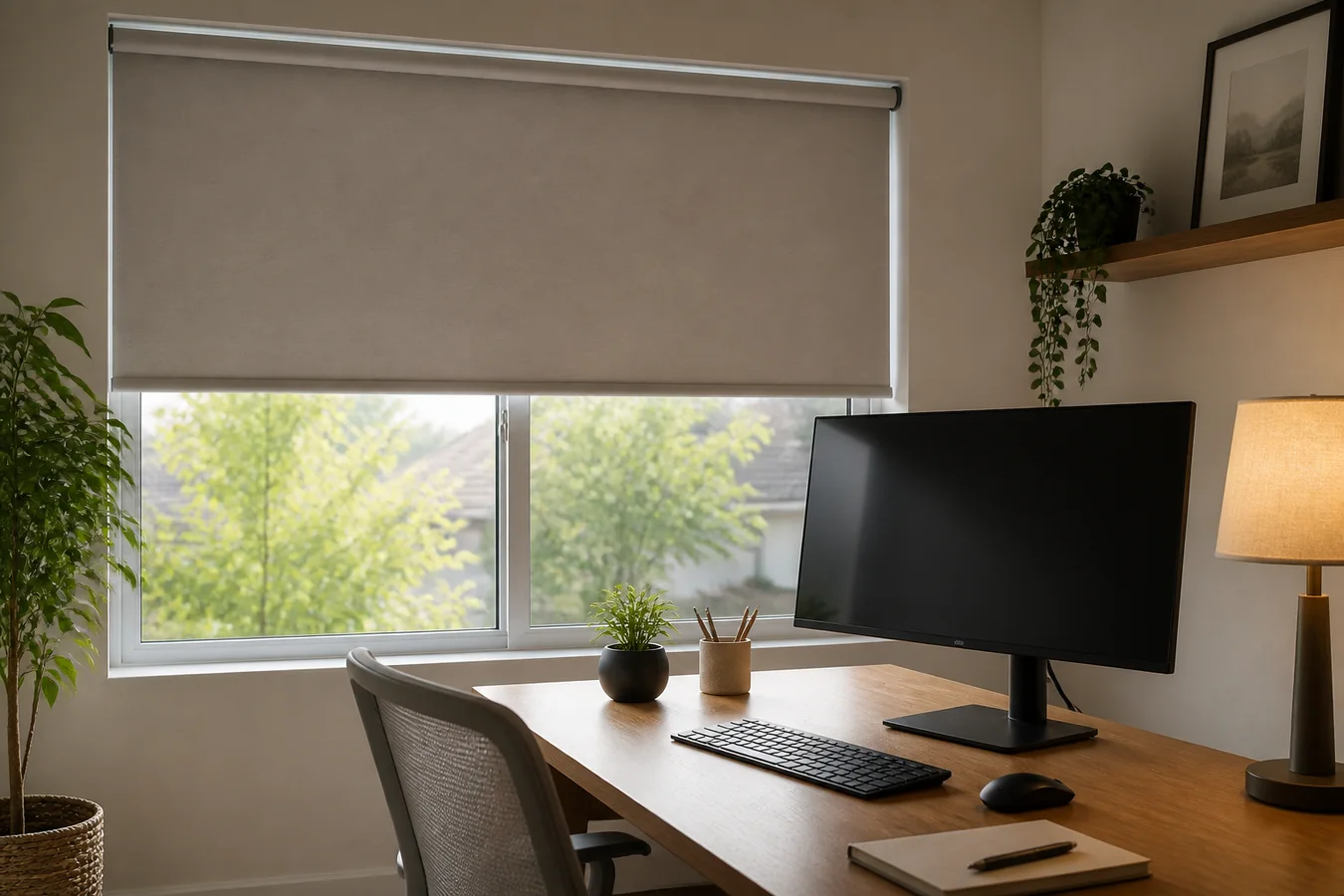
Use a one-variable glare test to decide whether to close a blackout blind, diffuse daylight, move the monitor or investigate a non-window cause.
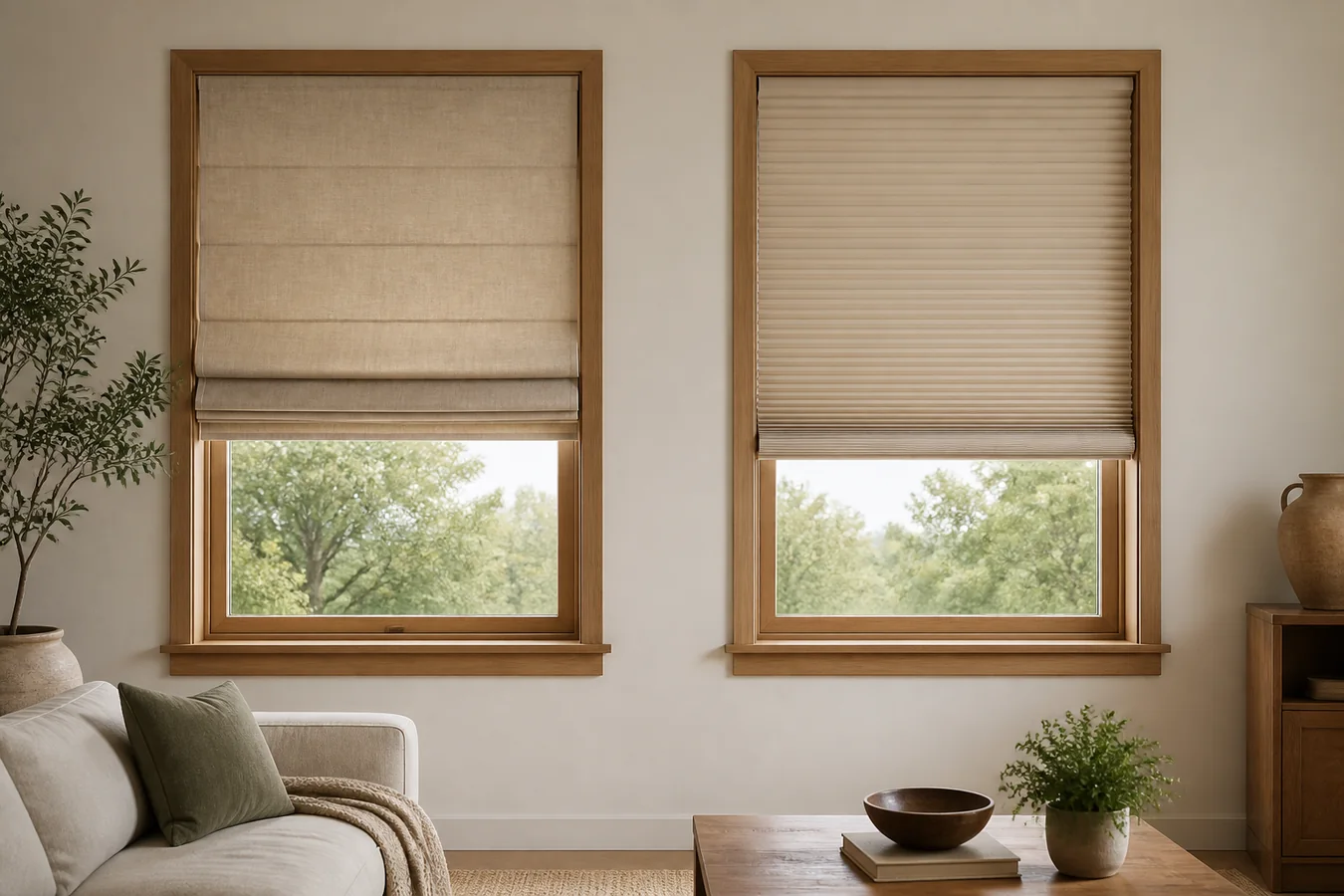
Compare Roman and cellular shades by their lowered look, night privacy, raised stack, product-rated insulation, care and exact operating system.
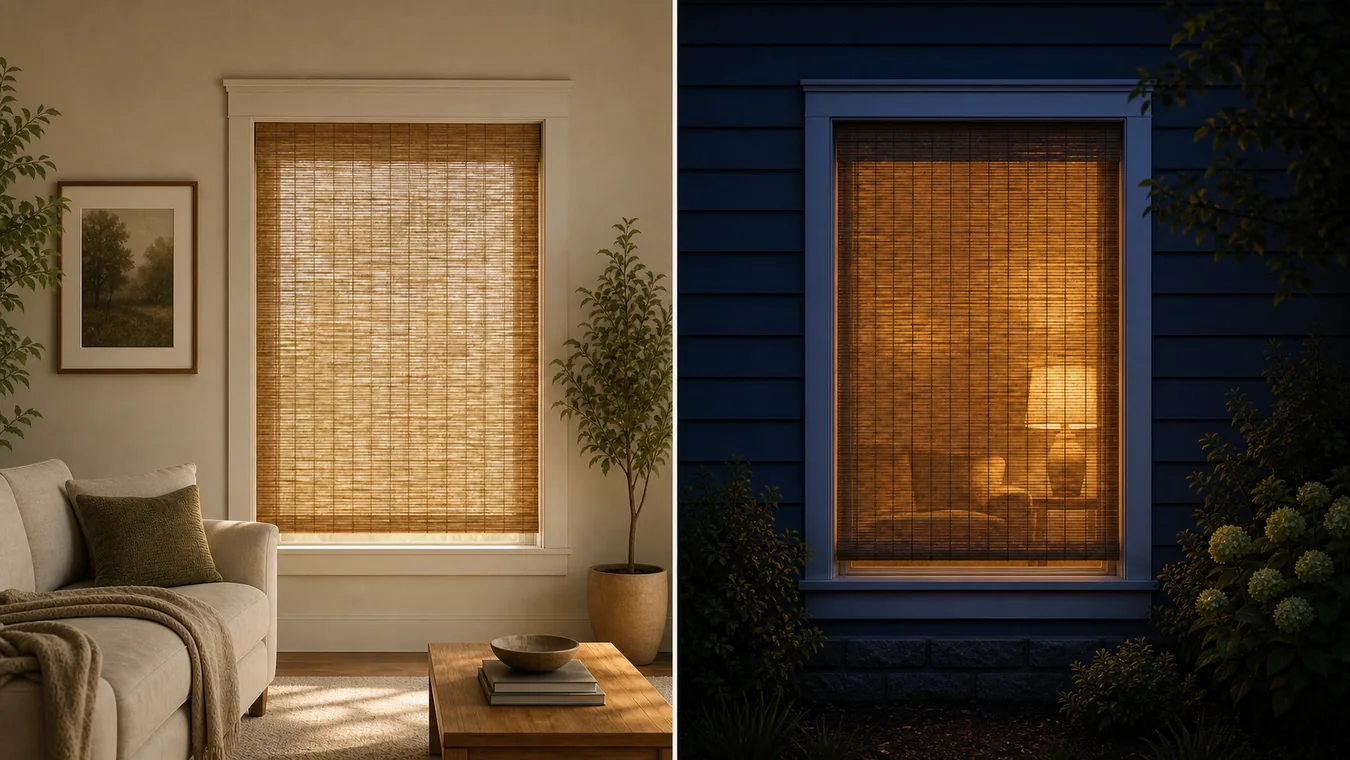
Compare the weave, named liner, finished edge gaps and lift system before ordering bamboo window shades for daylight and nighttime privacy.
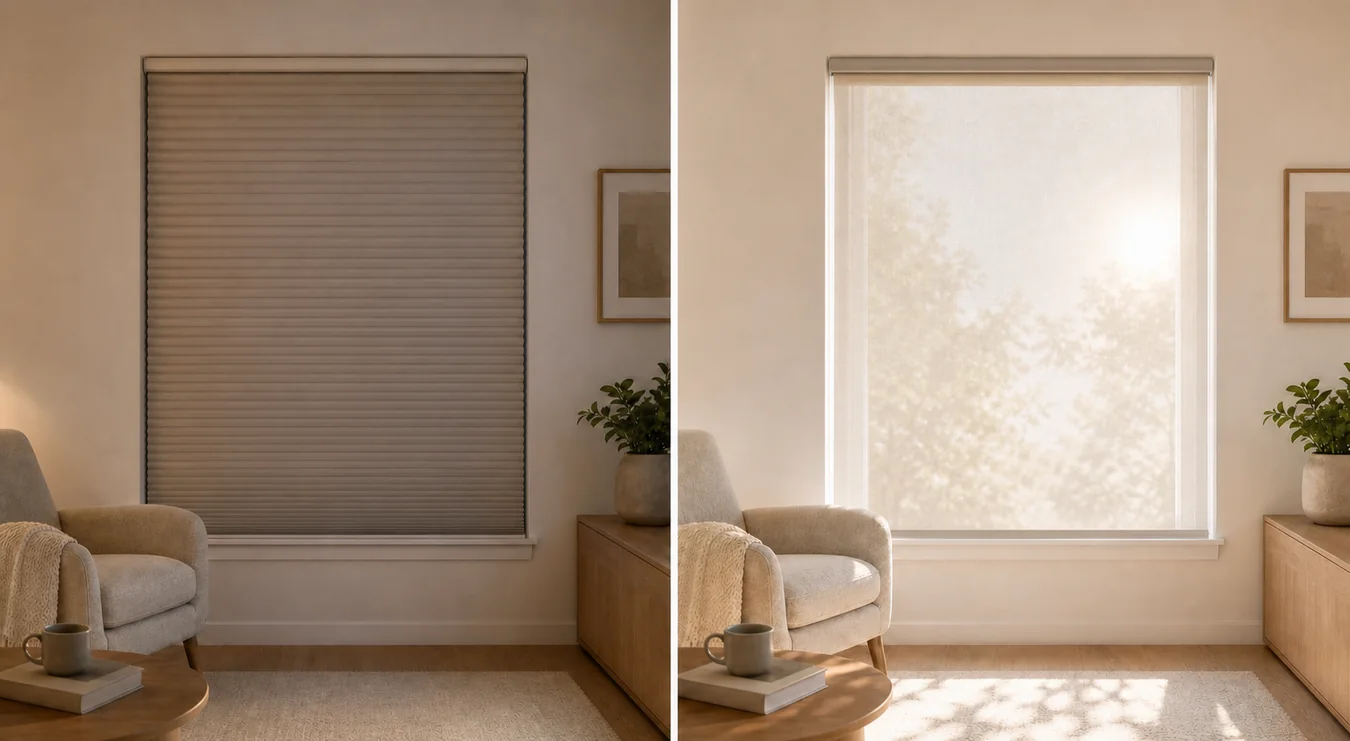
Use climate ratings, mounting gaps and daily schedules to compare cellular, roller, solar and slatted coverings for winter heat loss or summer sun.
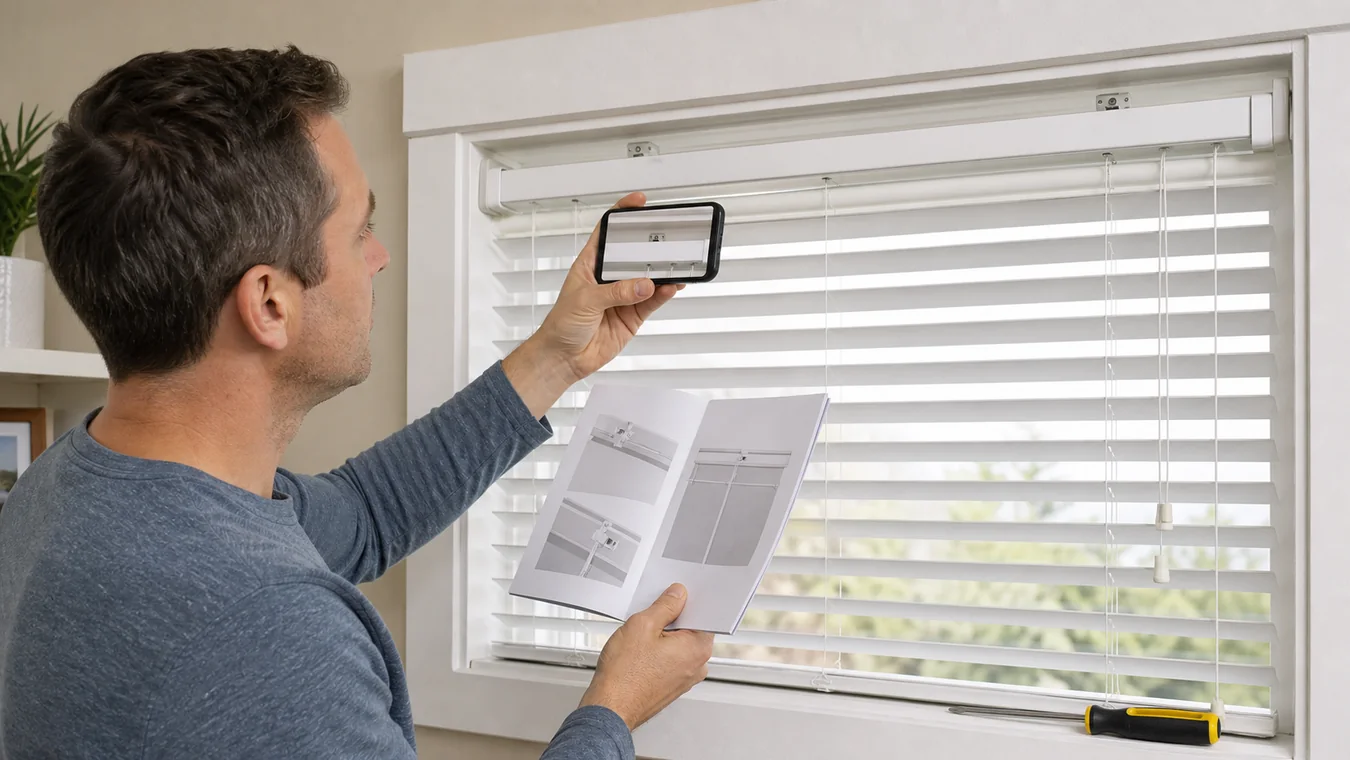
Photograph the headrail, end hardware, mounting joint, and label; then match the correct horizontal, cellular, roller, or vertical removal method.
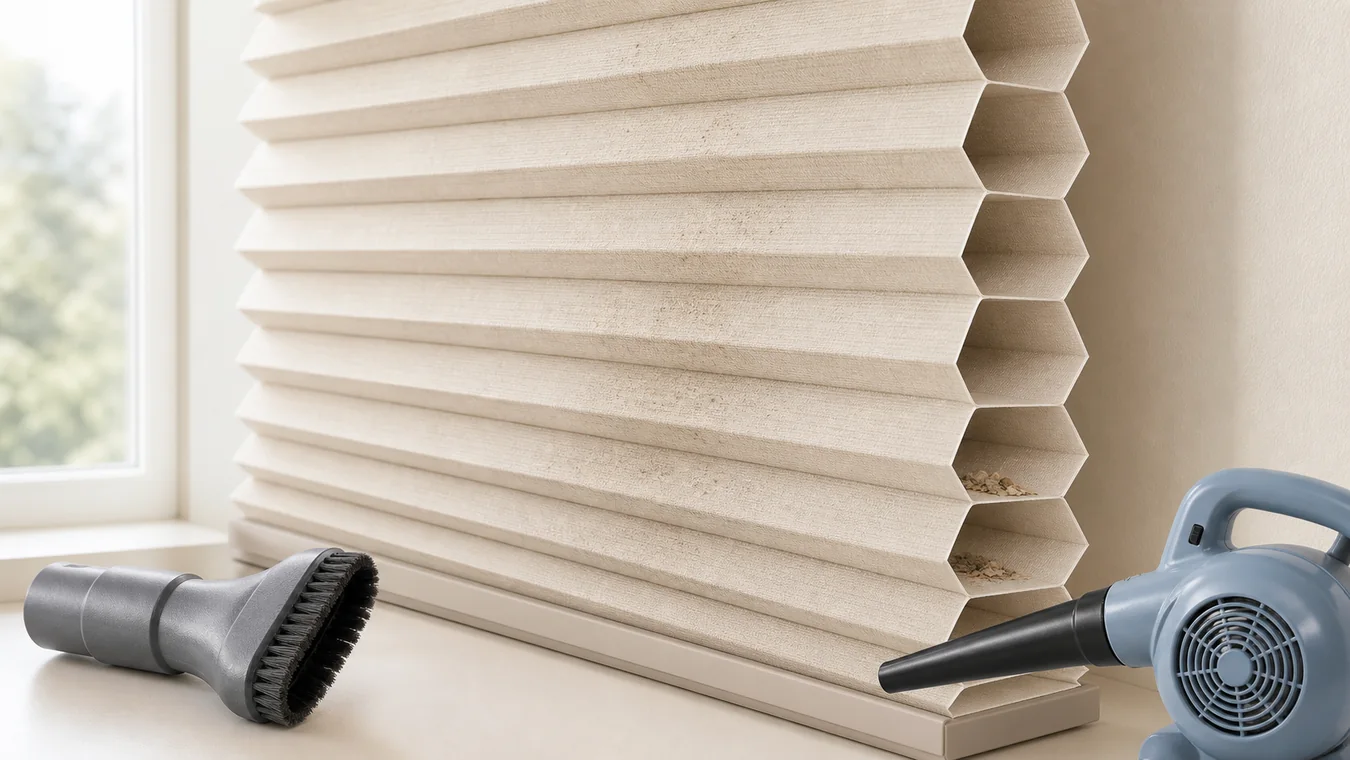
Match surface dust, trapped debris, one spot, or recurring moisture to the exact fabric care rule before you vacuum, blot, or replace the shade.
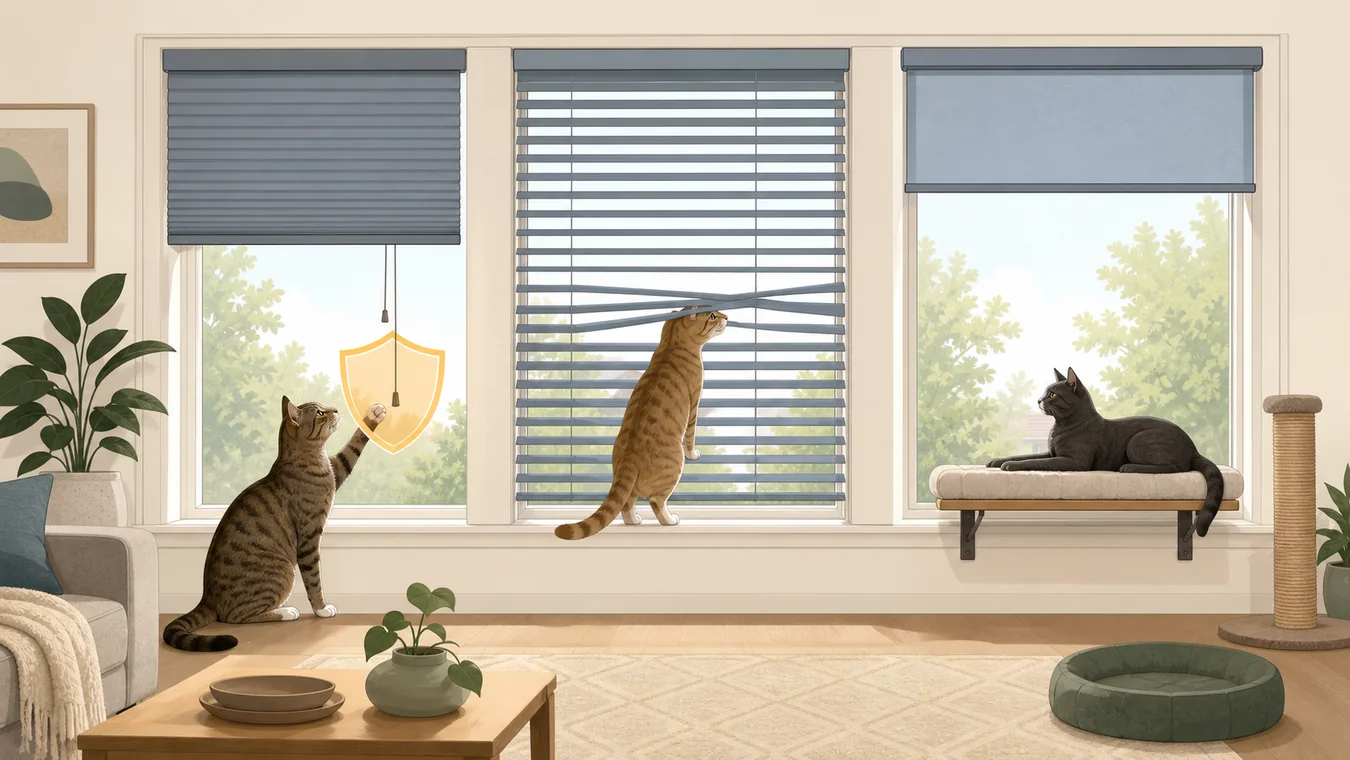
See how cord play, slat pushing, fabric scratching, chewing, and window-perch access change a cat-friendly blind or shade shortlist.
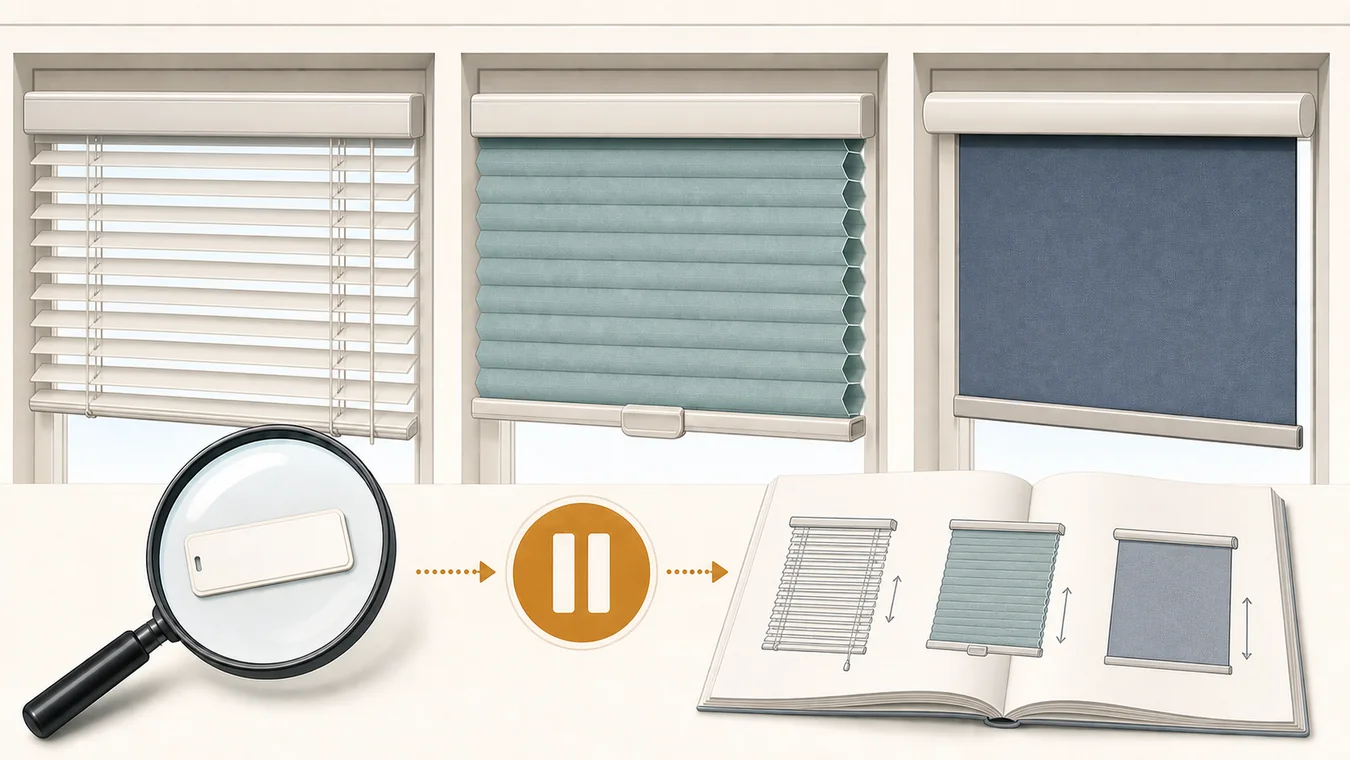
Identify a horizontal blind, cellular or TDBU shade, roller shade, or motorized unit, then use the correct documented first check instead of a universal reset.