
Easy-to-Clean Blinds Depend on the Mess, Not the Label
Compare dust, pet hair, grease and splashes against surface geometry, exact care instructions and cleaning access before choosing blinds or shades.
 targeter_site001

Compare dust, pet hair, grease and splashes against surface geometry, exact care instructions and cleaning access before choosing blinds or shades.
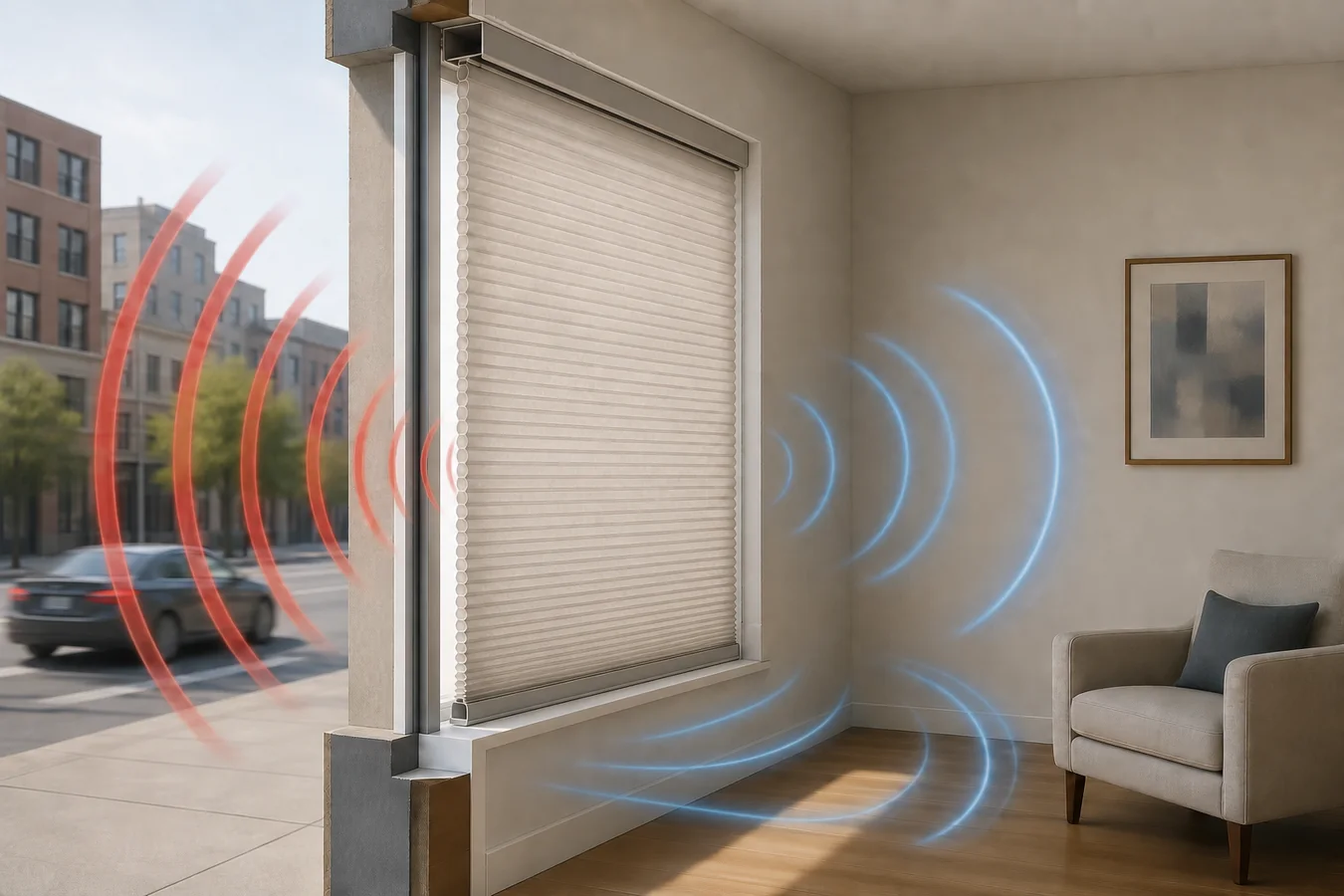
Tell room echo from sound entering at the window, inspect gaps, and demand exact acoustic test details before paying for cellular or layered shades.
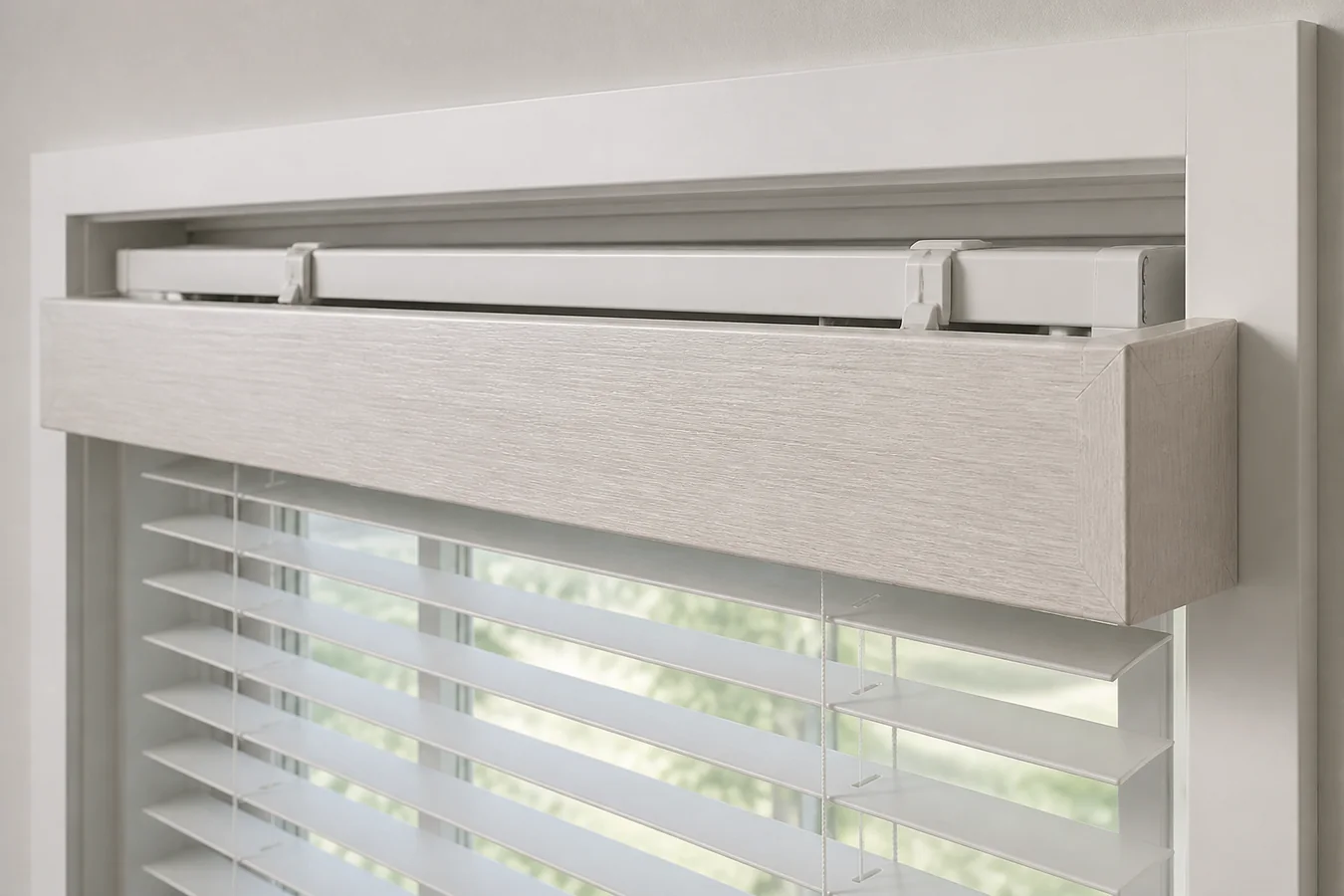
A blind valance can be a factory cover, a parts repair or a separate cornice. Match the headrail, clips, returns, depth and service access first.
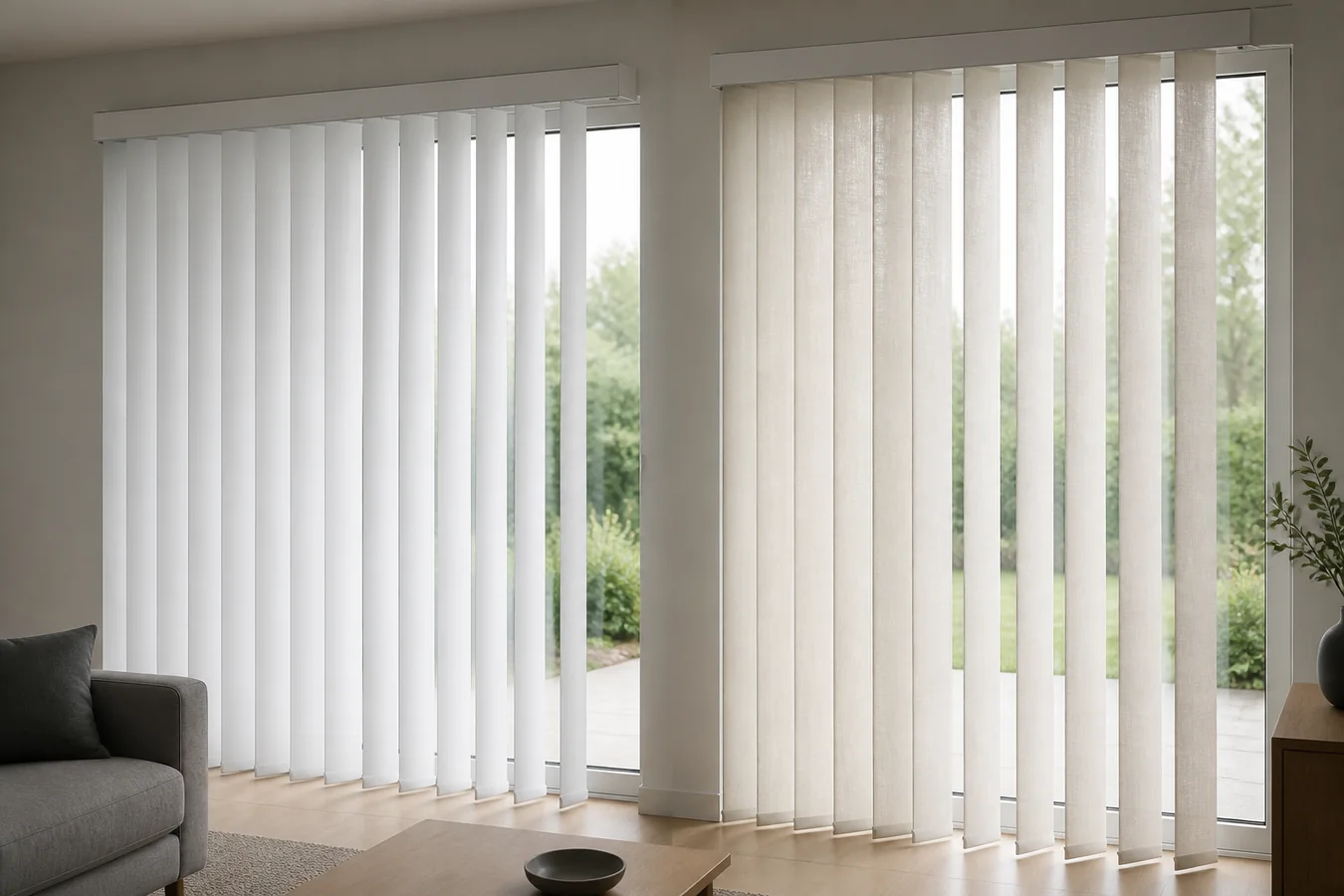
A PVC label does not reveal vane profile, closure, texture, headrail or controls. Use one evidence card to compare a complete system with fabric.
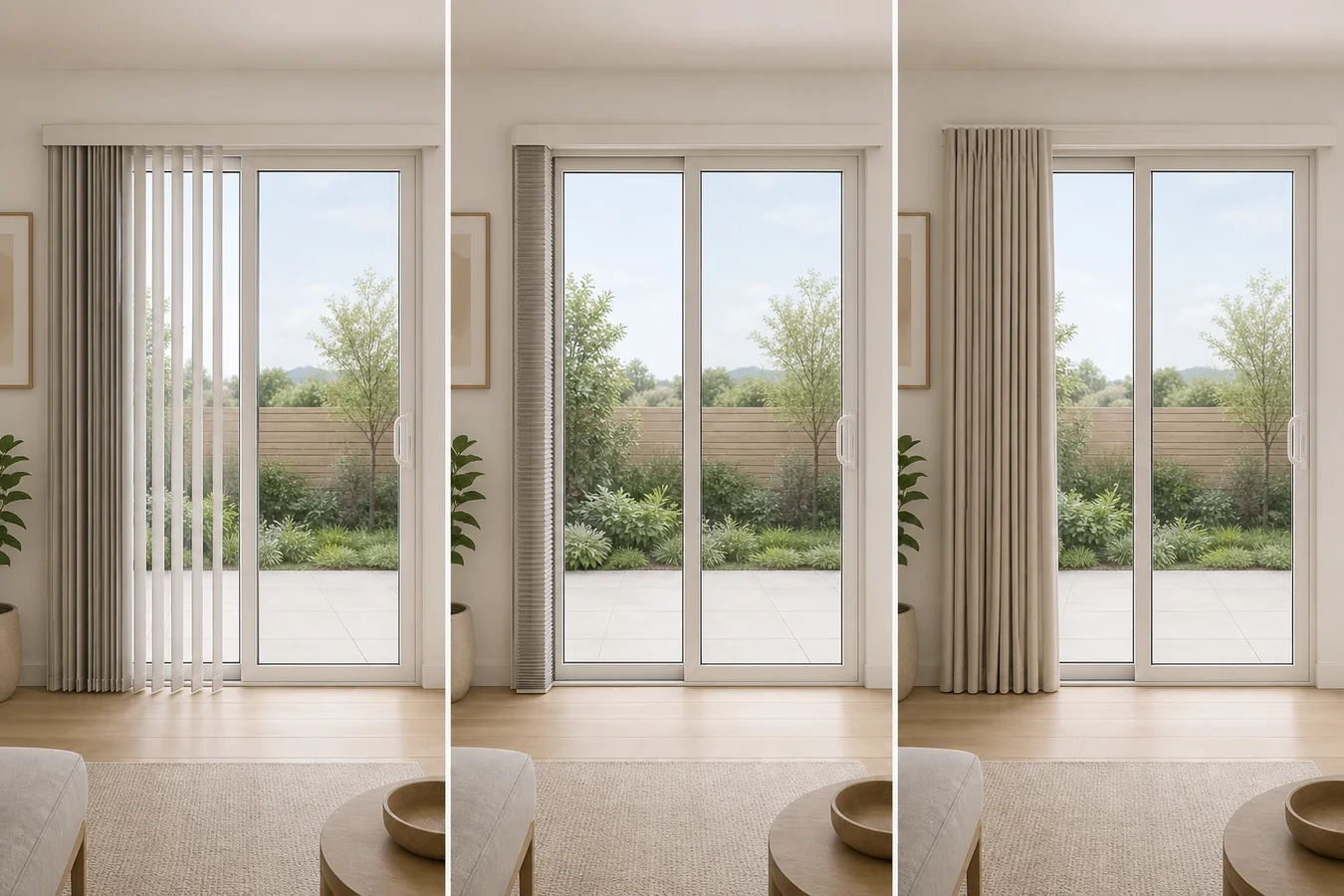
Use the old blind as a control: compare passage, tilt, stack side, parking space and service before choosing cellular shades, panels, drapery or shutters.
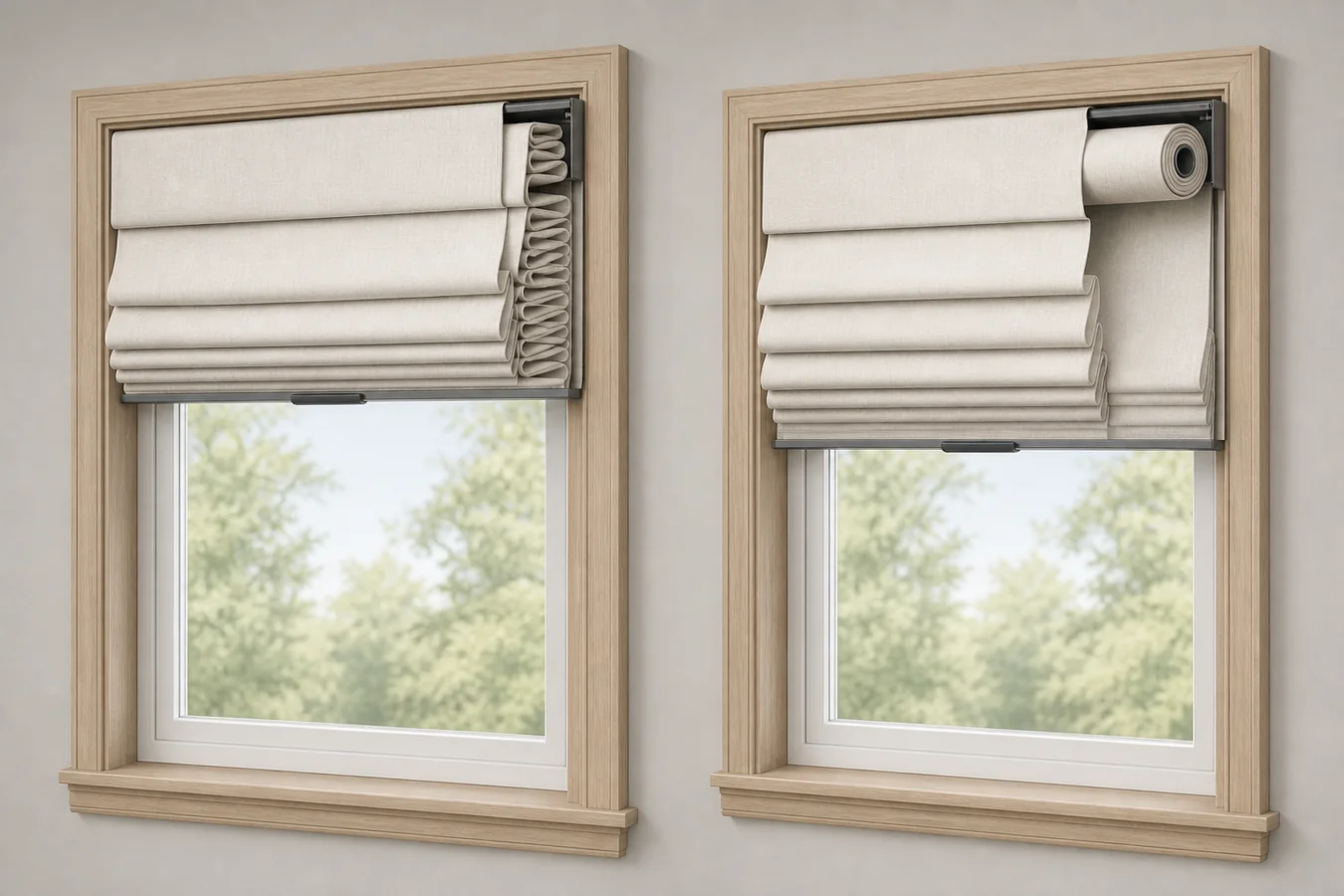
Use the product guide, operating sequence and rear view to identify a folding, roller-backed or TDBU Roman shade before comparing fabric or price.

Overlay the active door, screen, handle and shutter panels, then compare bypass and bi-fold stack, passage, floor guides and service before ordering.

Hold the shade, fabric and window constant, then compare lift eligibility, reach, useful positions, power, controls, fallback, service and the full quote.
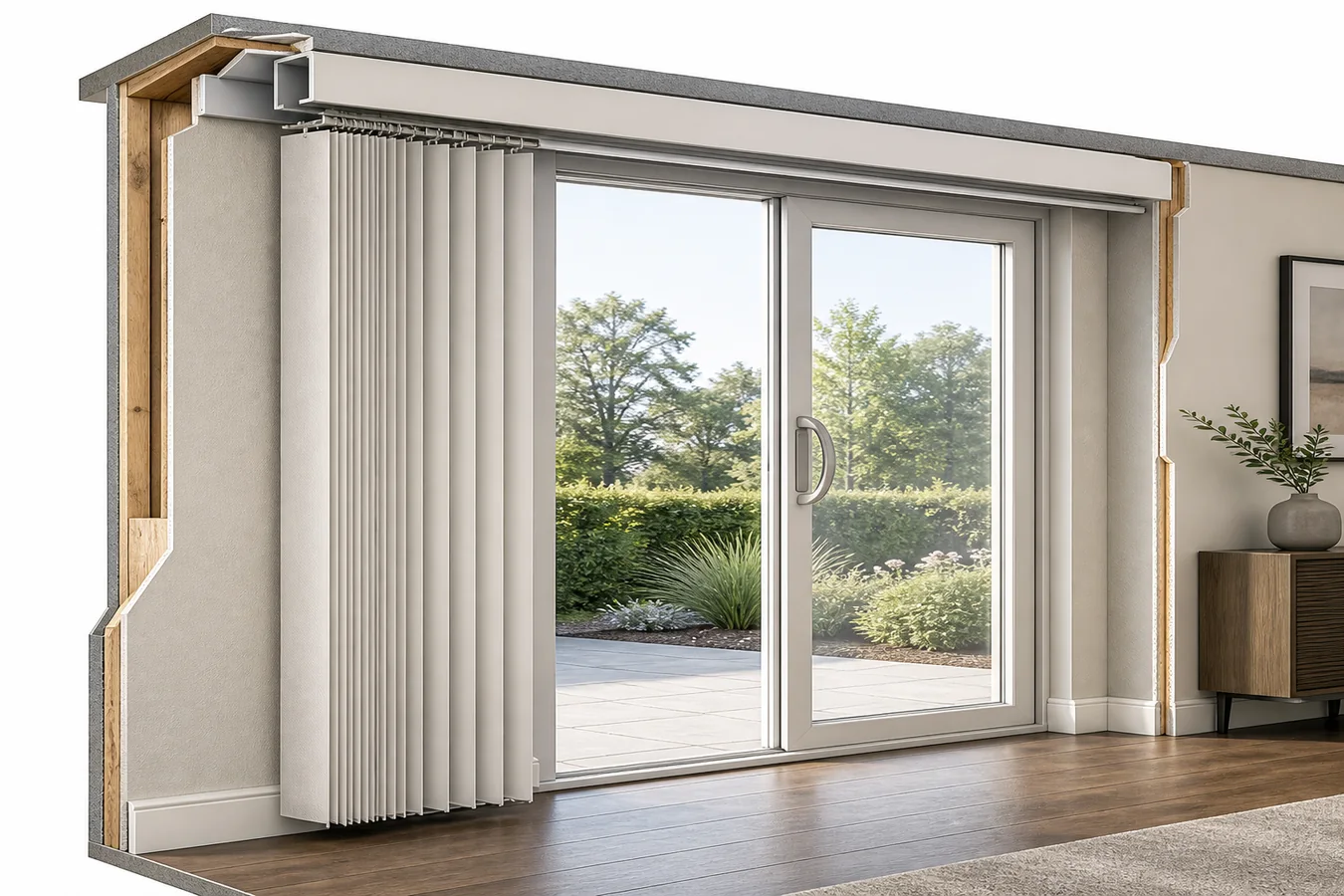
Separate opening size from order size, then verify headrail depth, vane clearance, stack width, door passage and the supplier’s deduction rules.
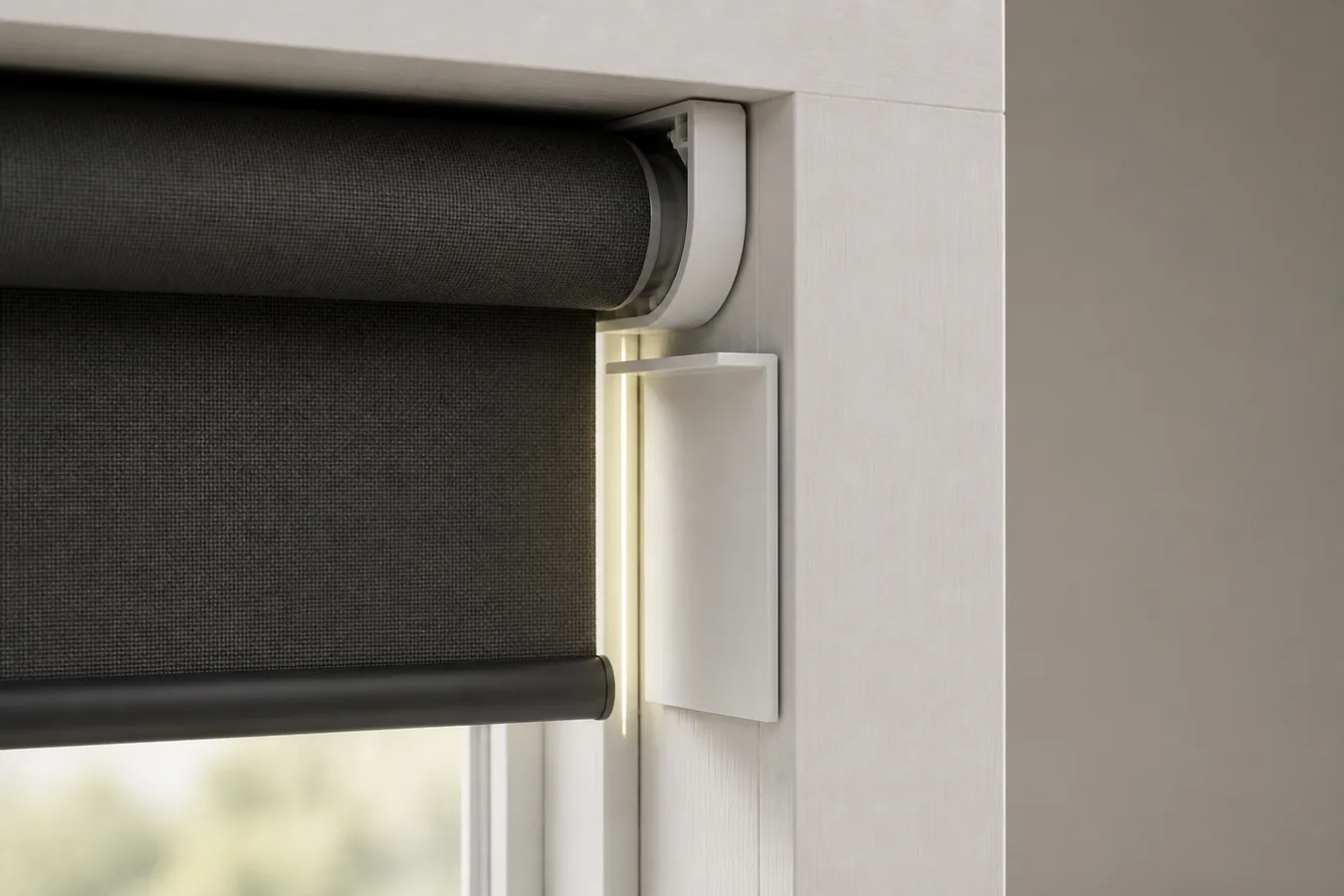
Find where side light enters, compare L-shaped blockers with U-shaped tracks, and verify fabric travel, corners, adhesive surface, and service access.