
Trapezoid Window Shades Begin With the Shape, Not the Motor
Label all four sides and the zone that must move before choosing a fixed, split or fully operable trapezoid shade and planning power or service.
 targeter_site001
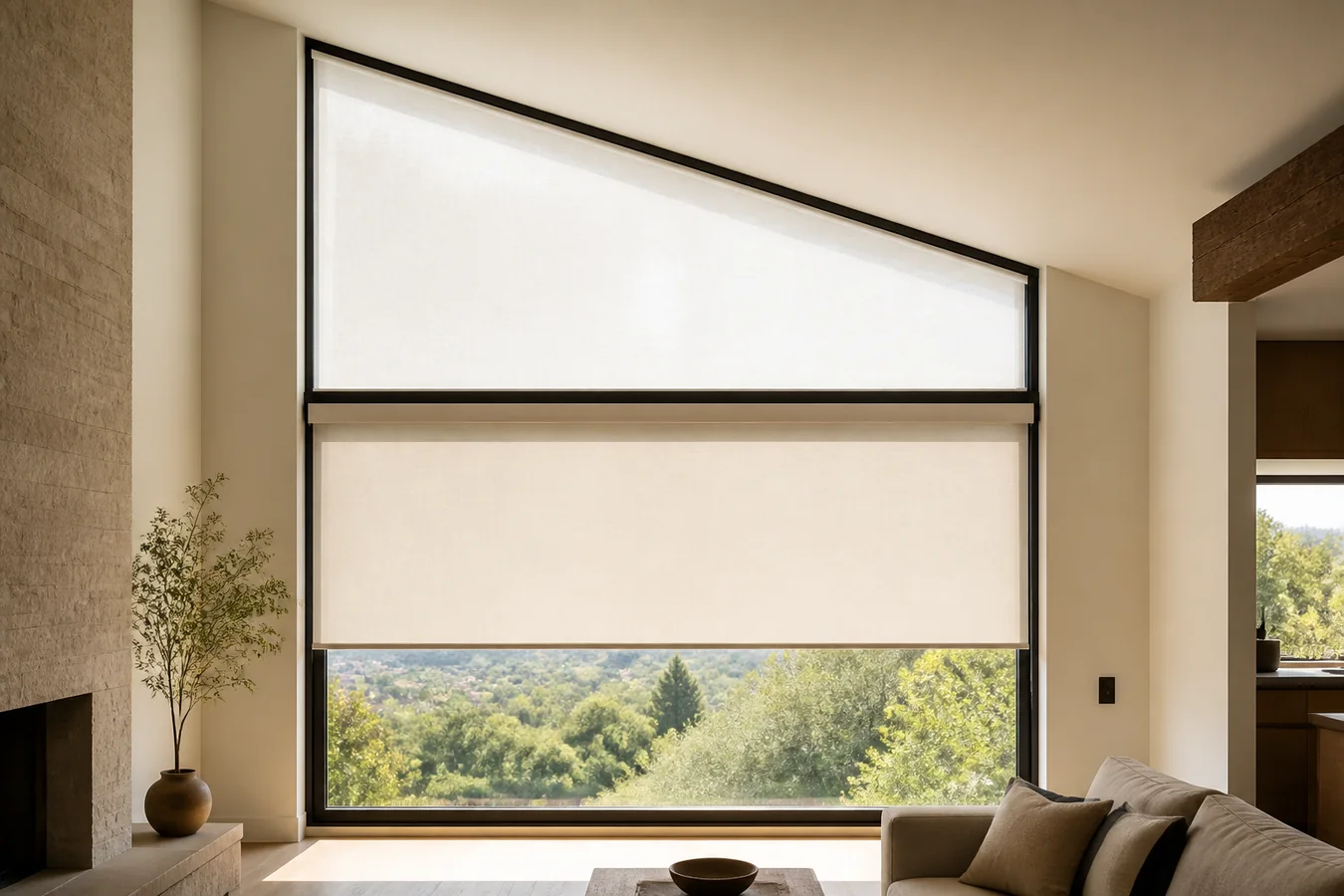
Label all four sides and the zone that must move before choosing a fixed, split or fully operable trapezoid shade and planning power or service.
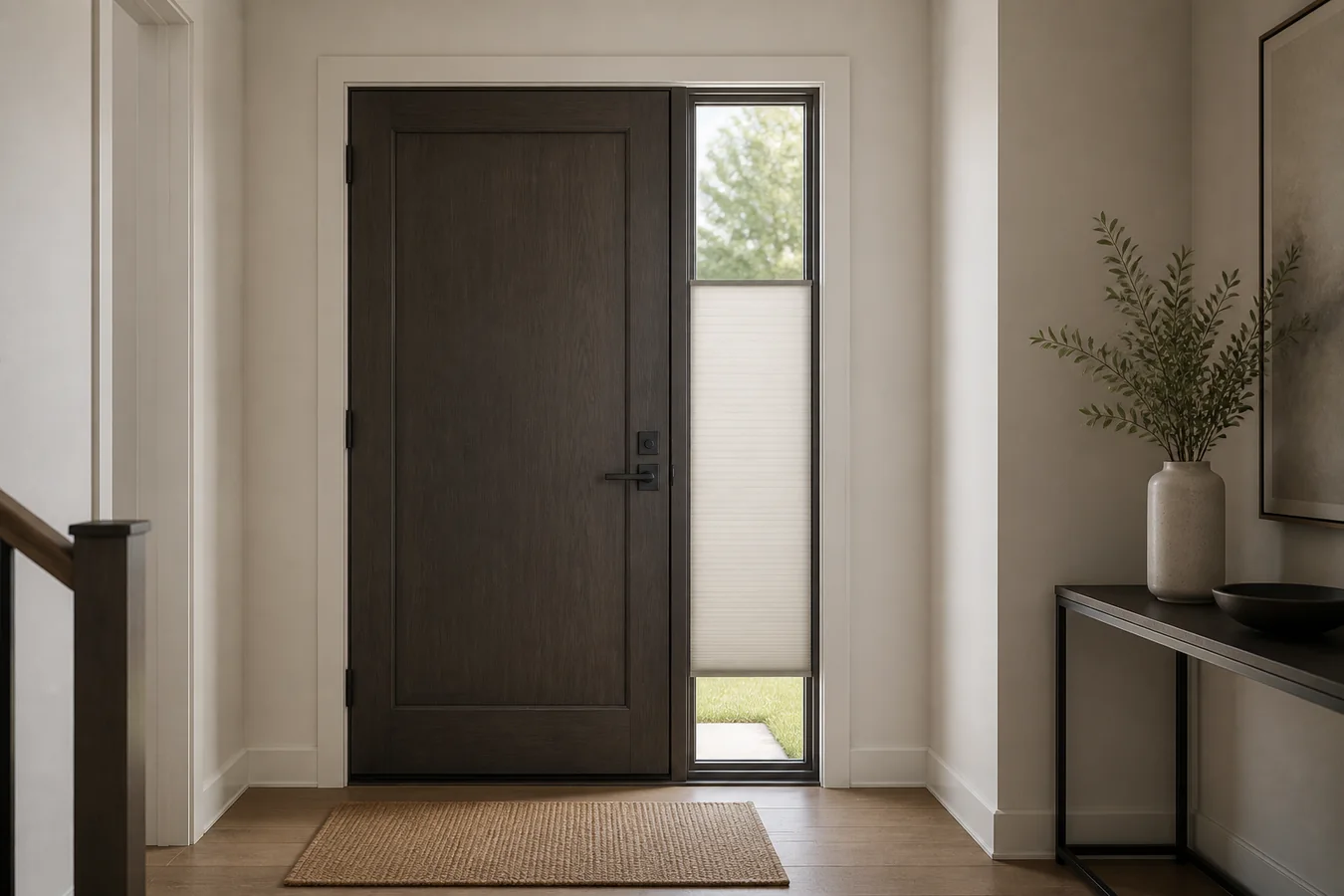
Map the exposed entry sightline, then compare film, narrow shades and enclosed blinds against the frame, handle, door swing and exact glass.
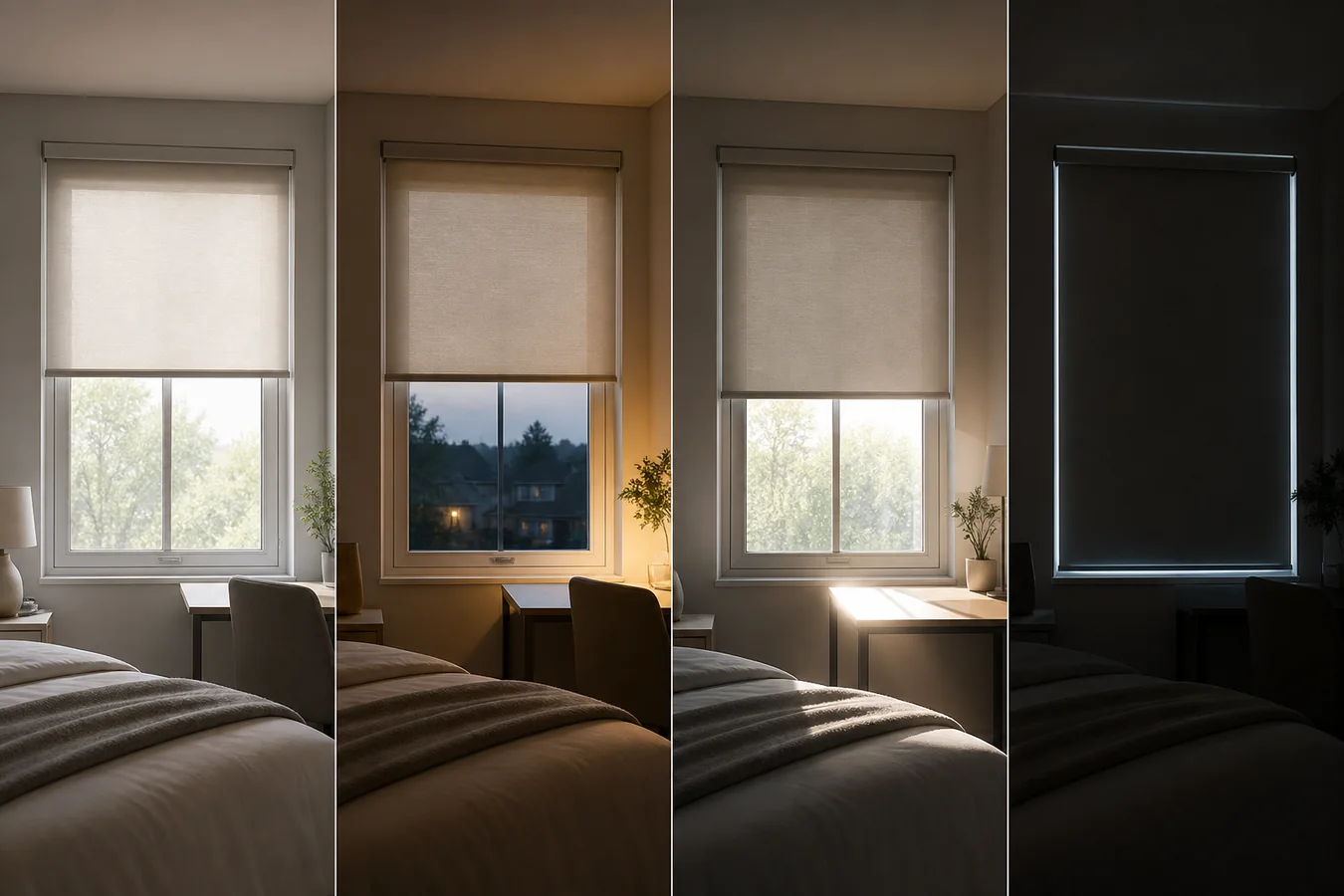
Compare the exact shade sample in daylight, after dark, against glare and at the edges before choosing light-filtering, room-darkening or blackout.
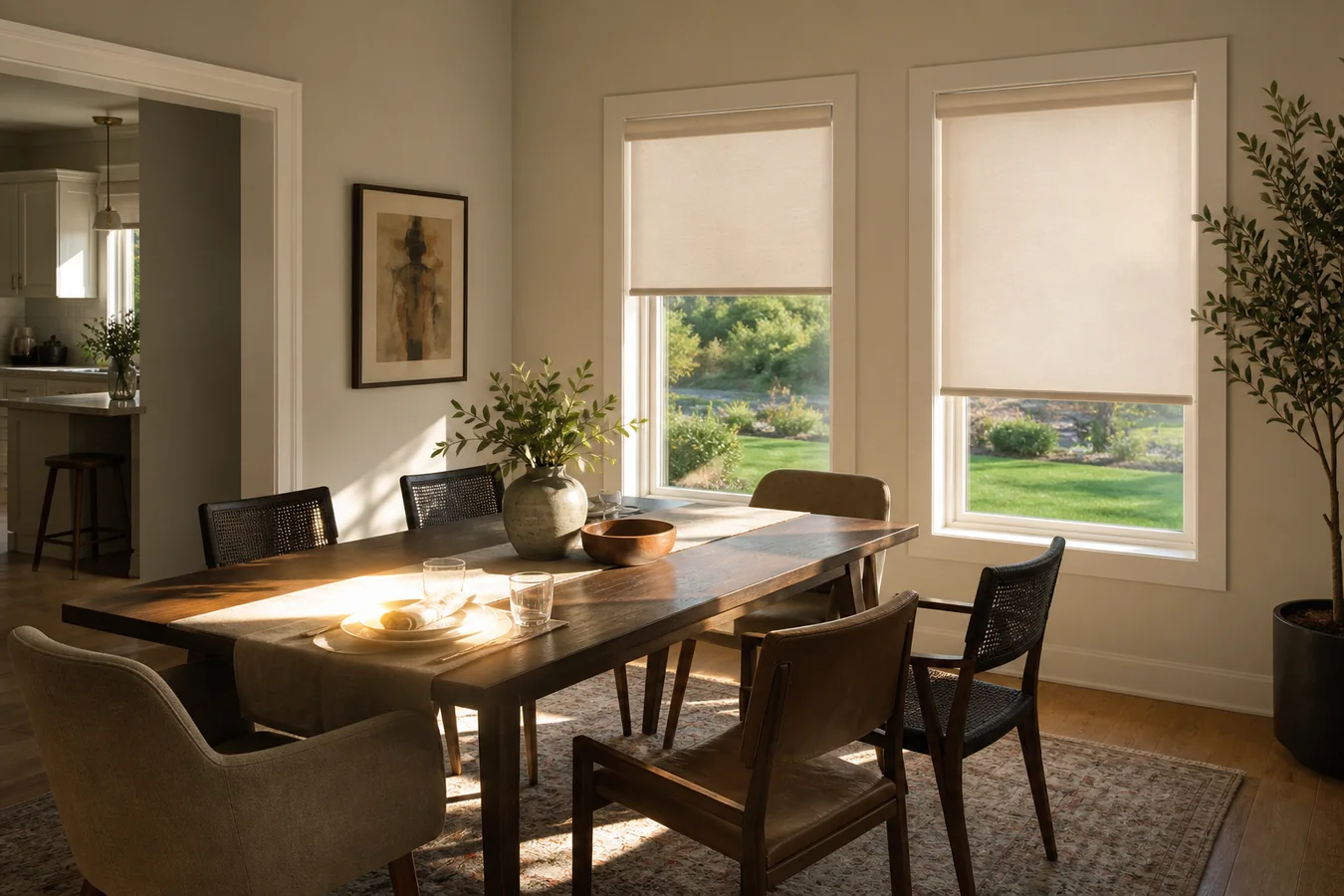
Map glare, evening privacy, views, doors, radiators and cleaning at every dining chair before choosing shades, blinds, curtains or layers.
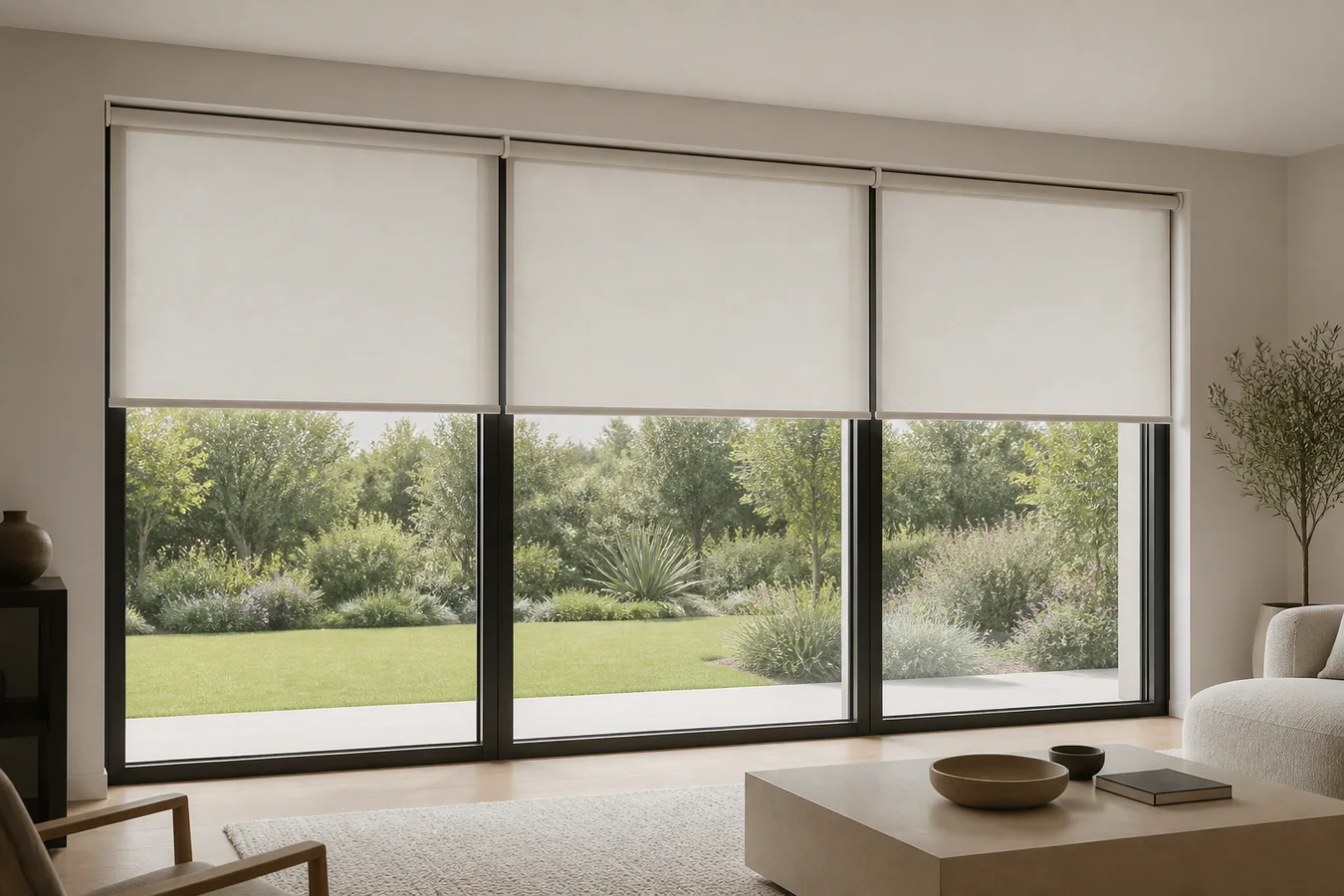
Map mullions, panel widths, fabric gaps, drives and power before choosing one oversized shade or several coordinated blinds for a wide opening.
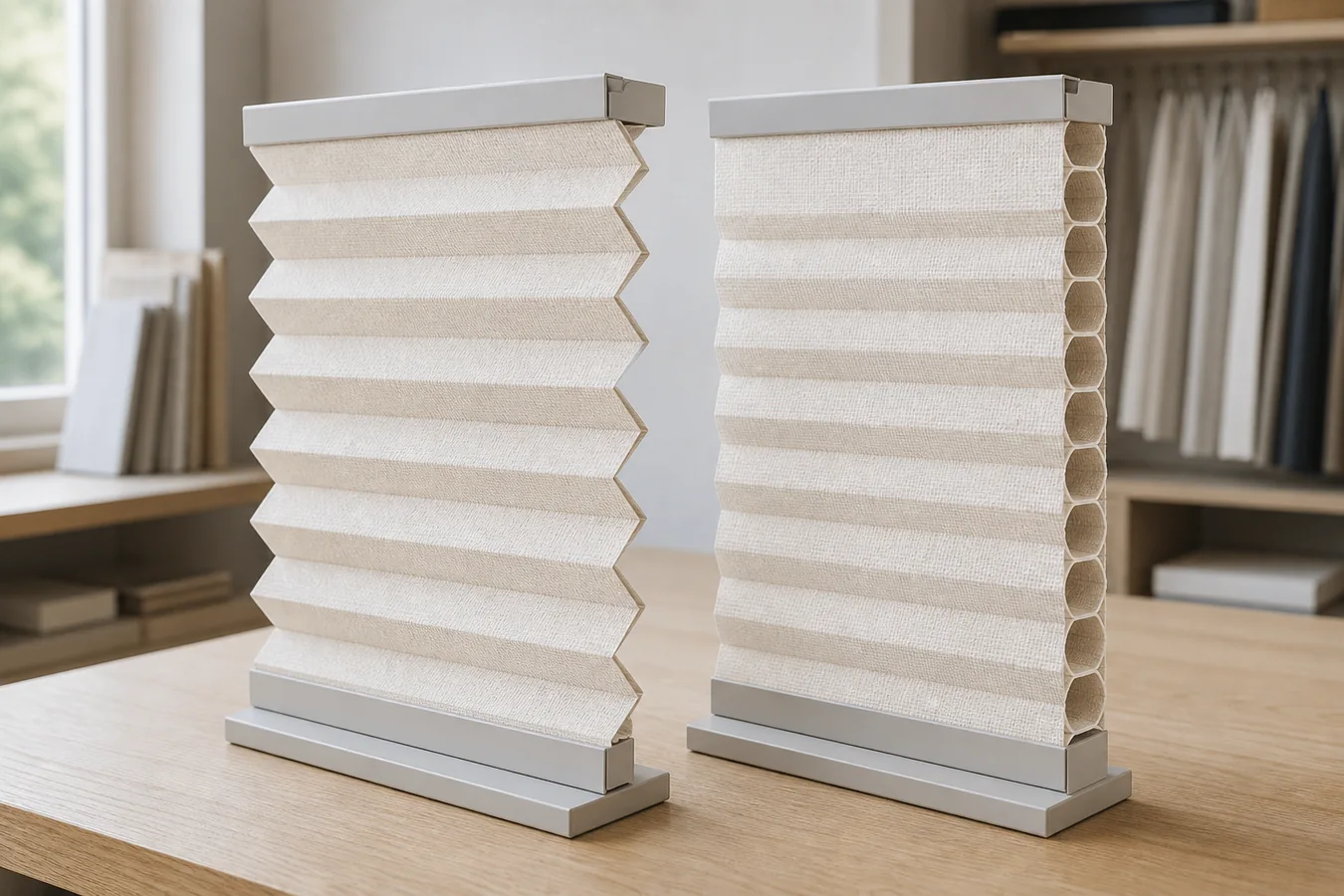
Compare the side profile, exact liner, backlit privacy, product energy rating and control option before choosing pleated or cellular shades.
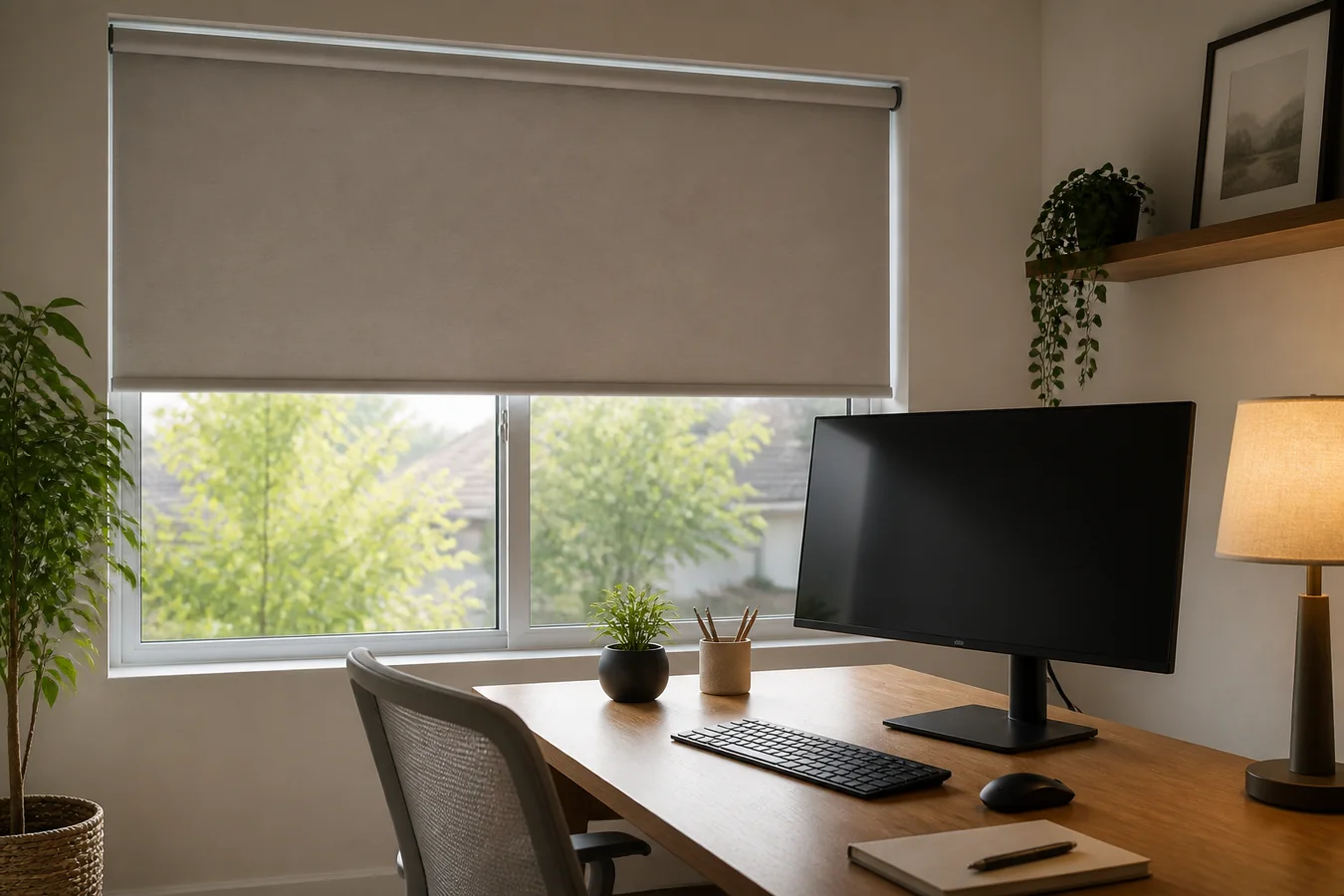
Use a one-variable glare test to decide whether to close a blackout blind, diffuse daylight, move the monitor or investigate a non-window cause.
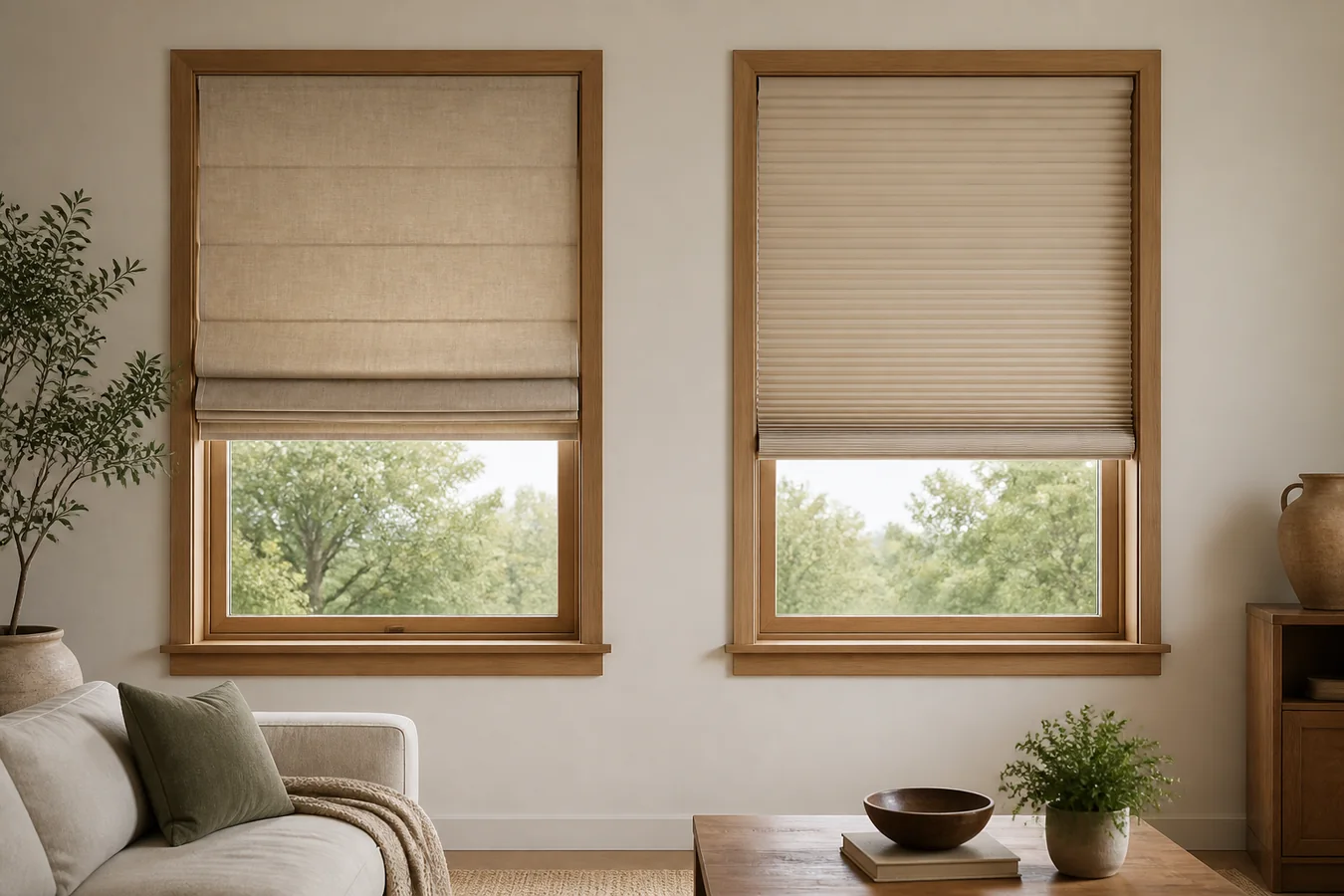
Compare Roman and cellular shades by their lowered look, night privacy, raised stack, product-rated insulation, care and exact operating system.
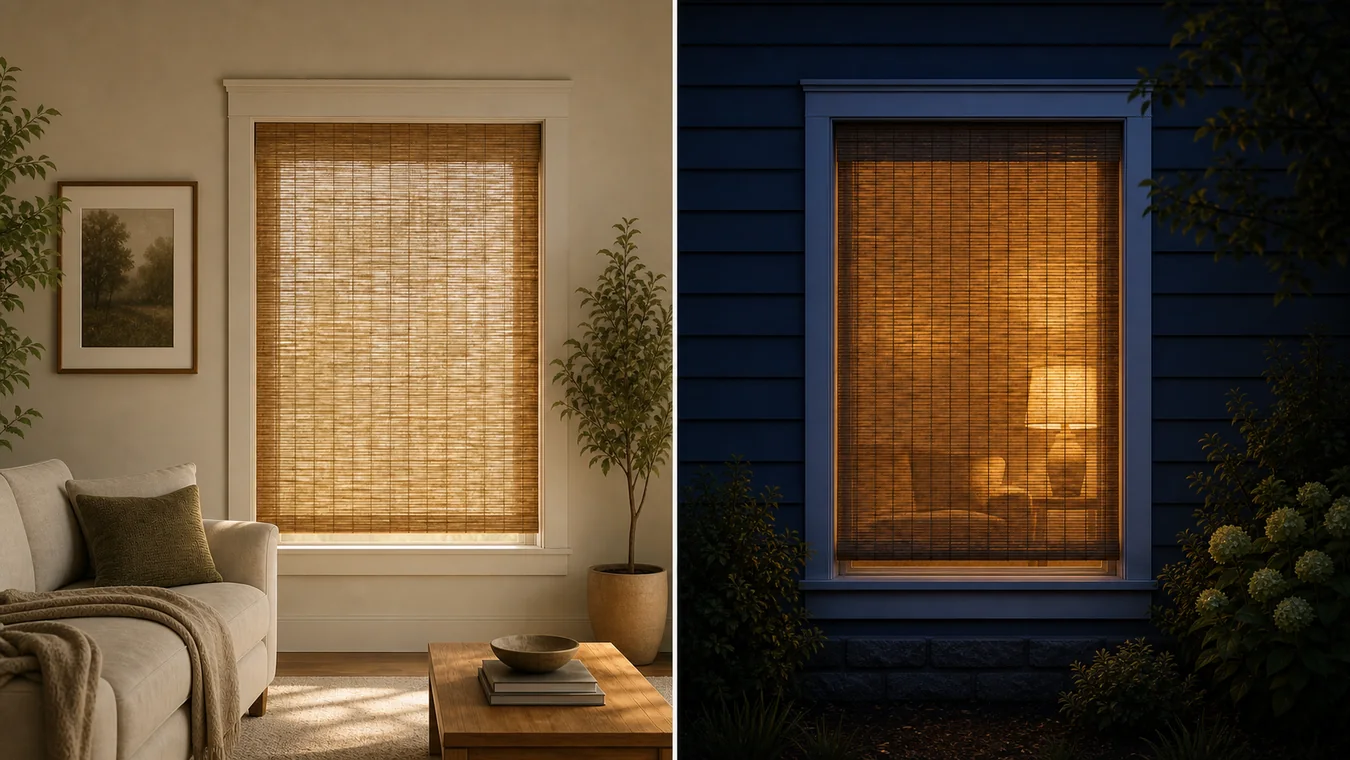
Compare the weave, named liner, finished edge gaps and lift system before ordering bamboo window shades for daylight and nighttime privacy.
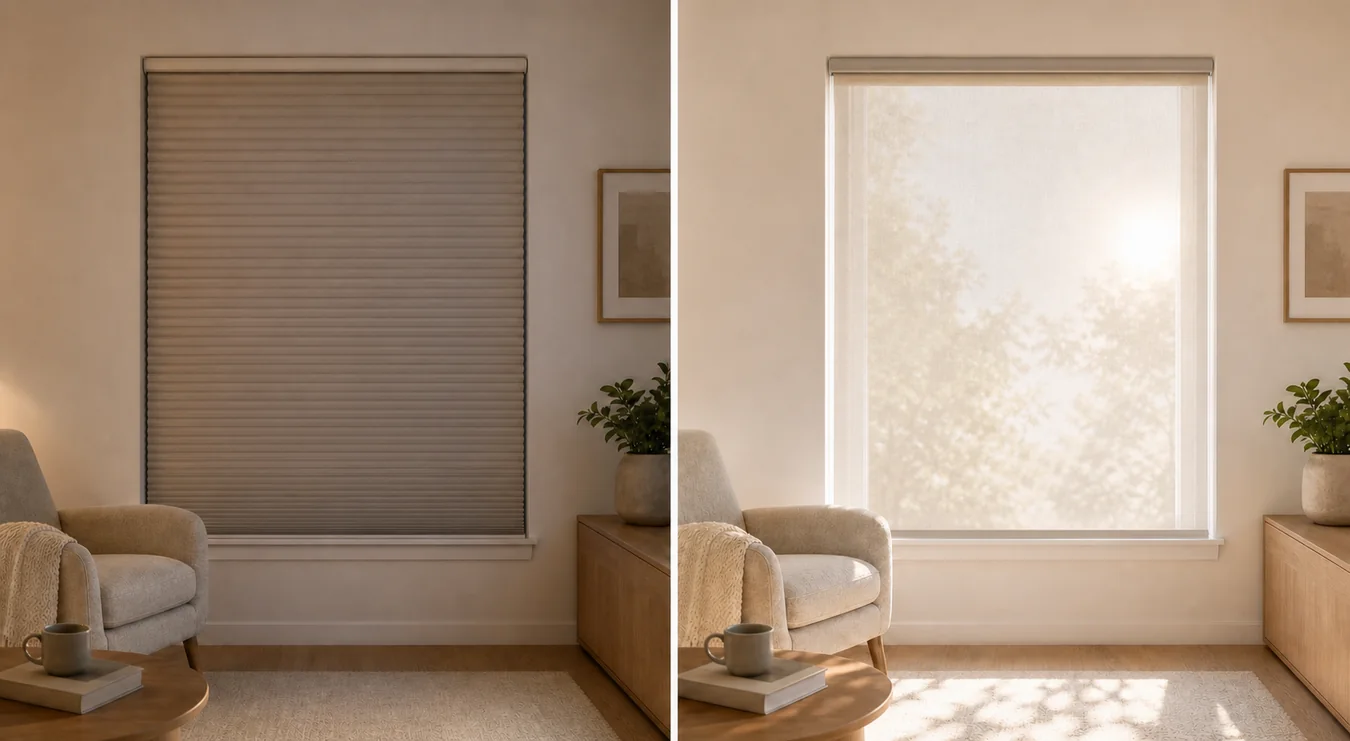
Use climate ratings, mounting gaps and daily schedules to compare cellular, roller, solar and slatted coverings for winter heat loss or summer sun.