
Linen Roman Blinds Need a Fabric Spec, Not a Color Name
Learn whether “linen” means fiber, blend, or look, then verify weight, lining, folds, care, and finished-shade variation before ordering a Roman blind.
 targeter_site001
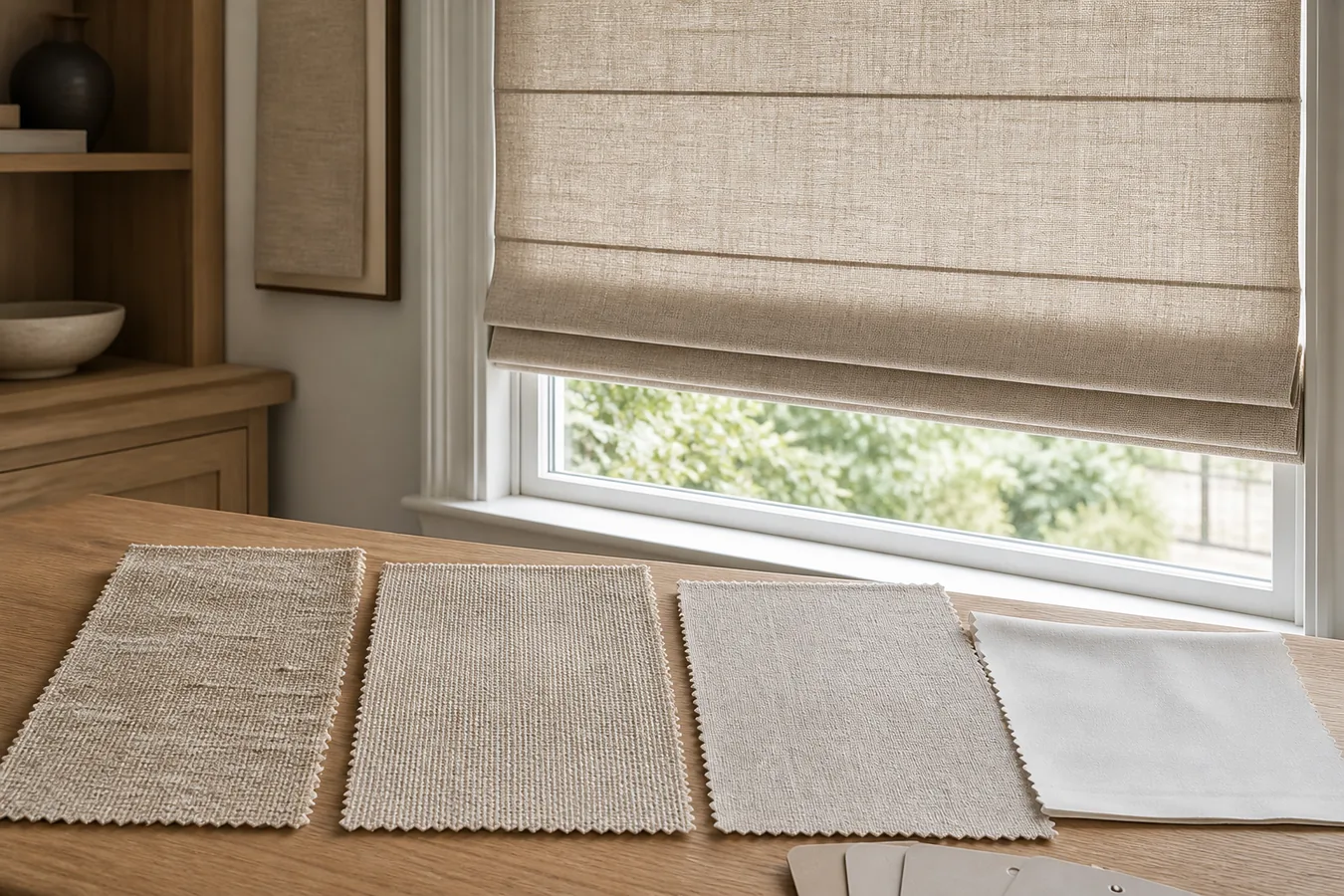
Learn whether “linen” means fiber, blend, or look, then verify weight, lining, folds, care, and finished-shade variation before ordering a Roman blind.
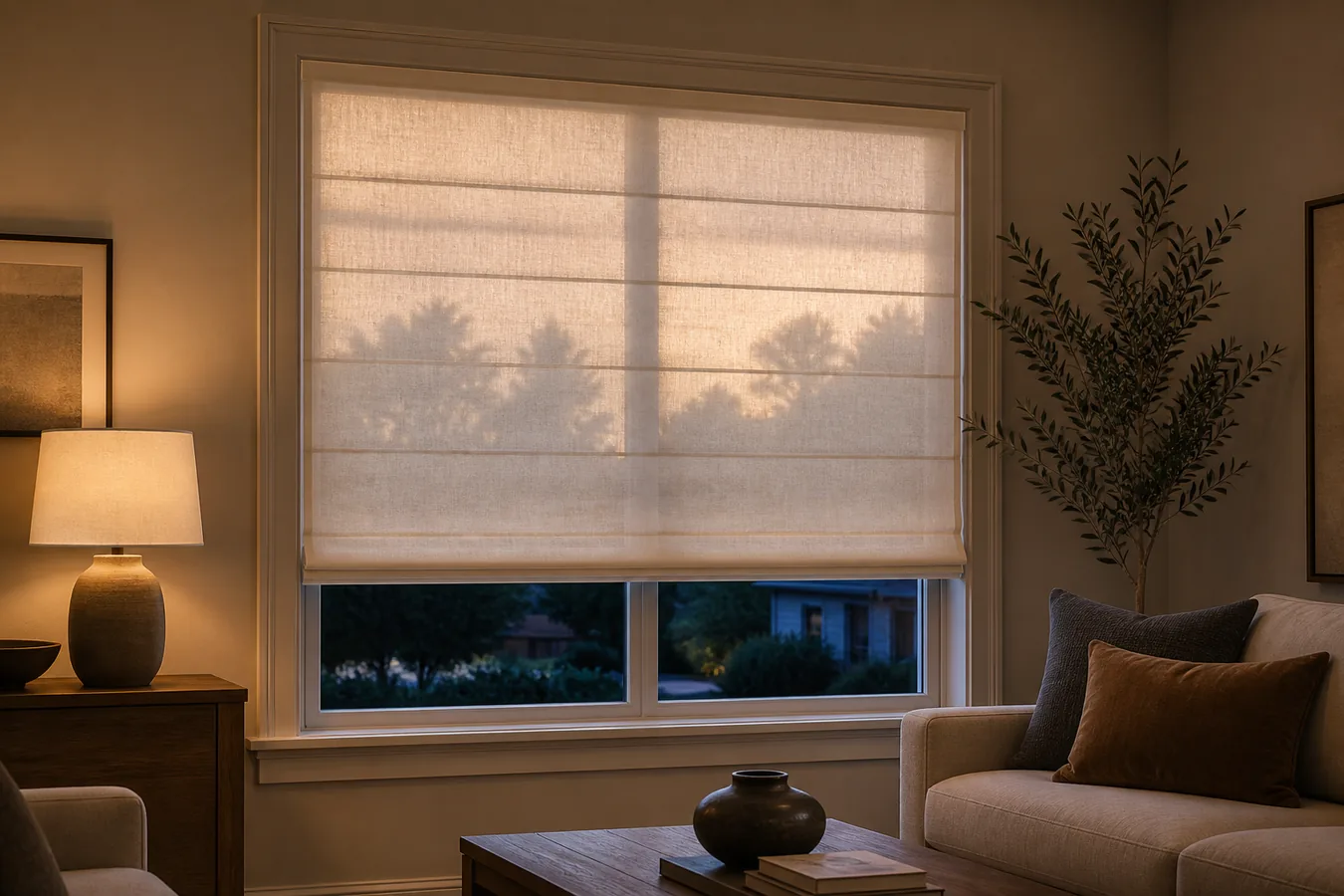
See how lighting direction, unlined fabric, fold overlap and rear lift hardware change a sheer Roman shade, then choose a liner or separate privacy layer.
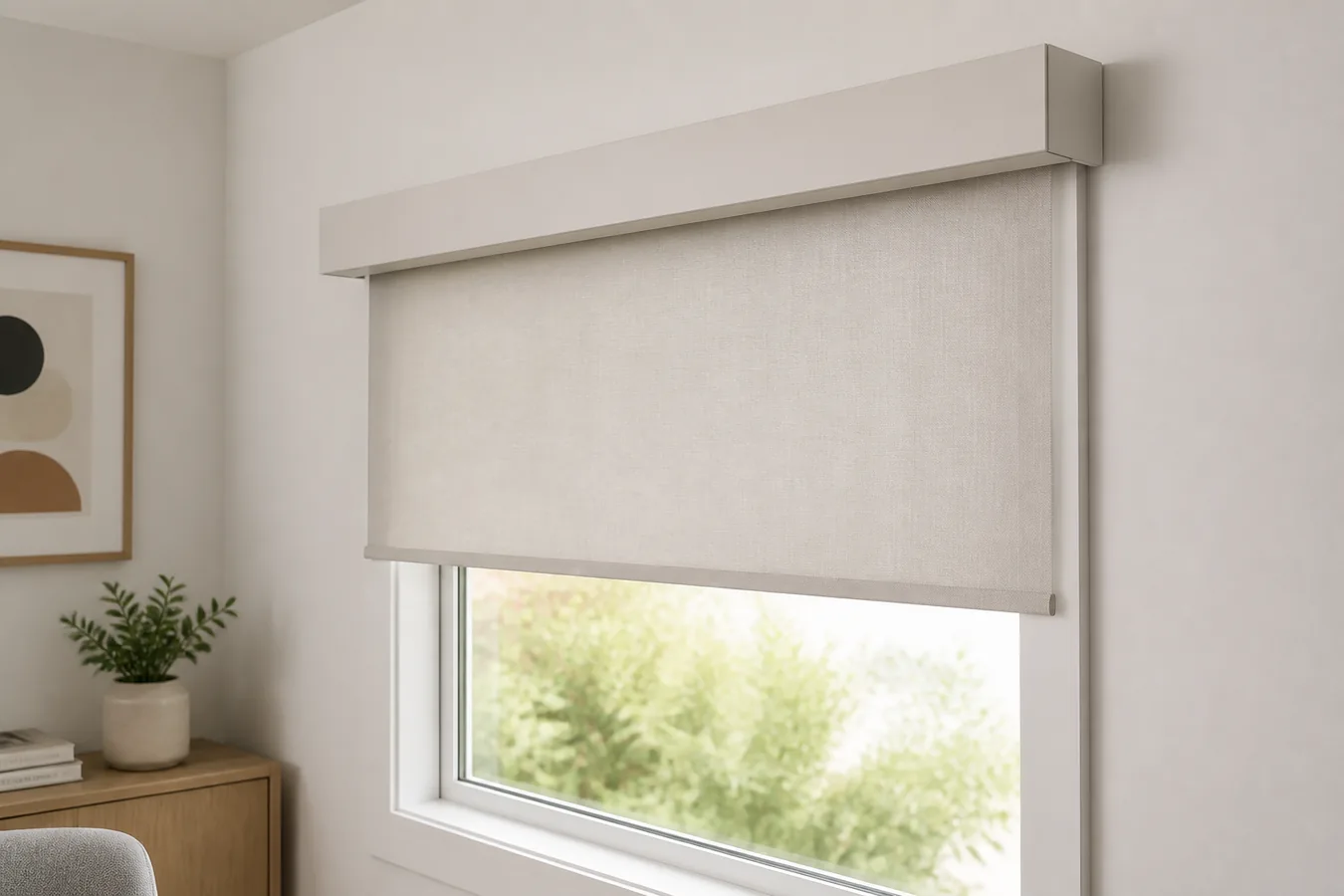
Compare exposed rolls, fascias, cassettes and pockets, then check housing depth, fabric drop, side gaps, controls and release access before ordering.
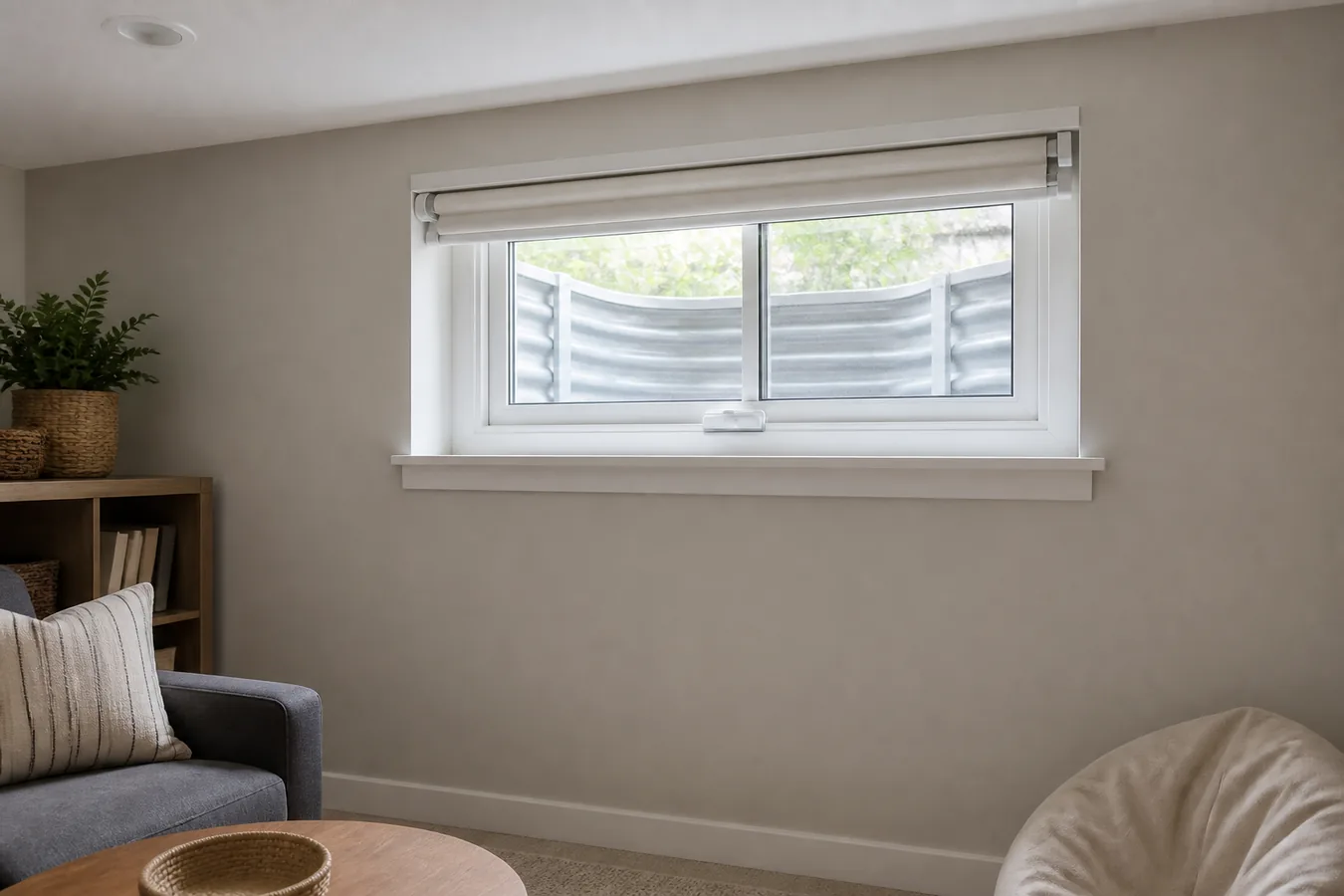
Classify the window’s escape, ventilation or daylight job, then check privacy sightlines, condensation, stack and controls before choosing basement blinds.
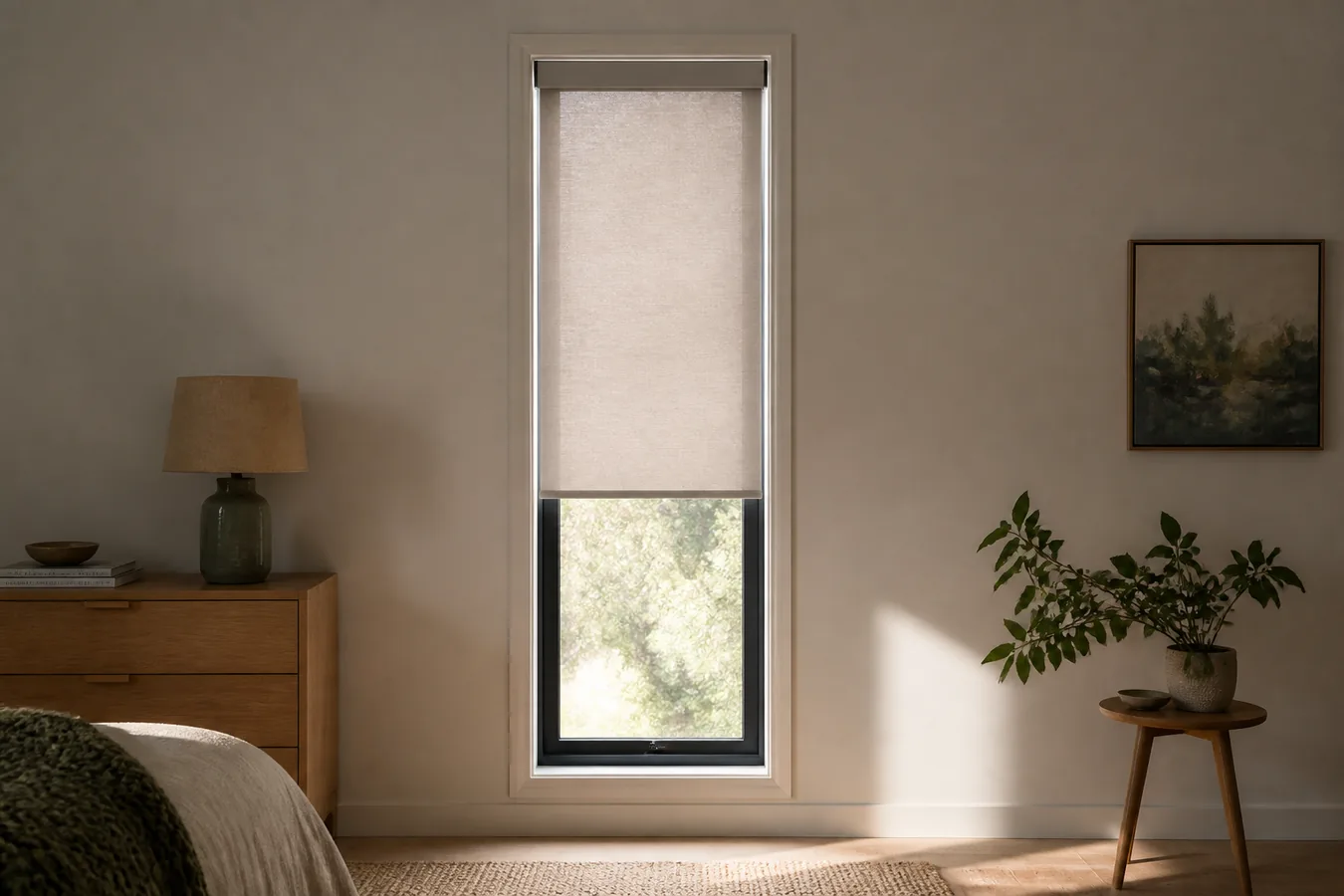
Compare exact minimum width, finished side gaps, motor space and tall-drop tracking so a narrow blind can reach the sill without drifting off line.
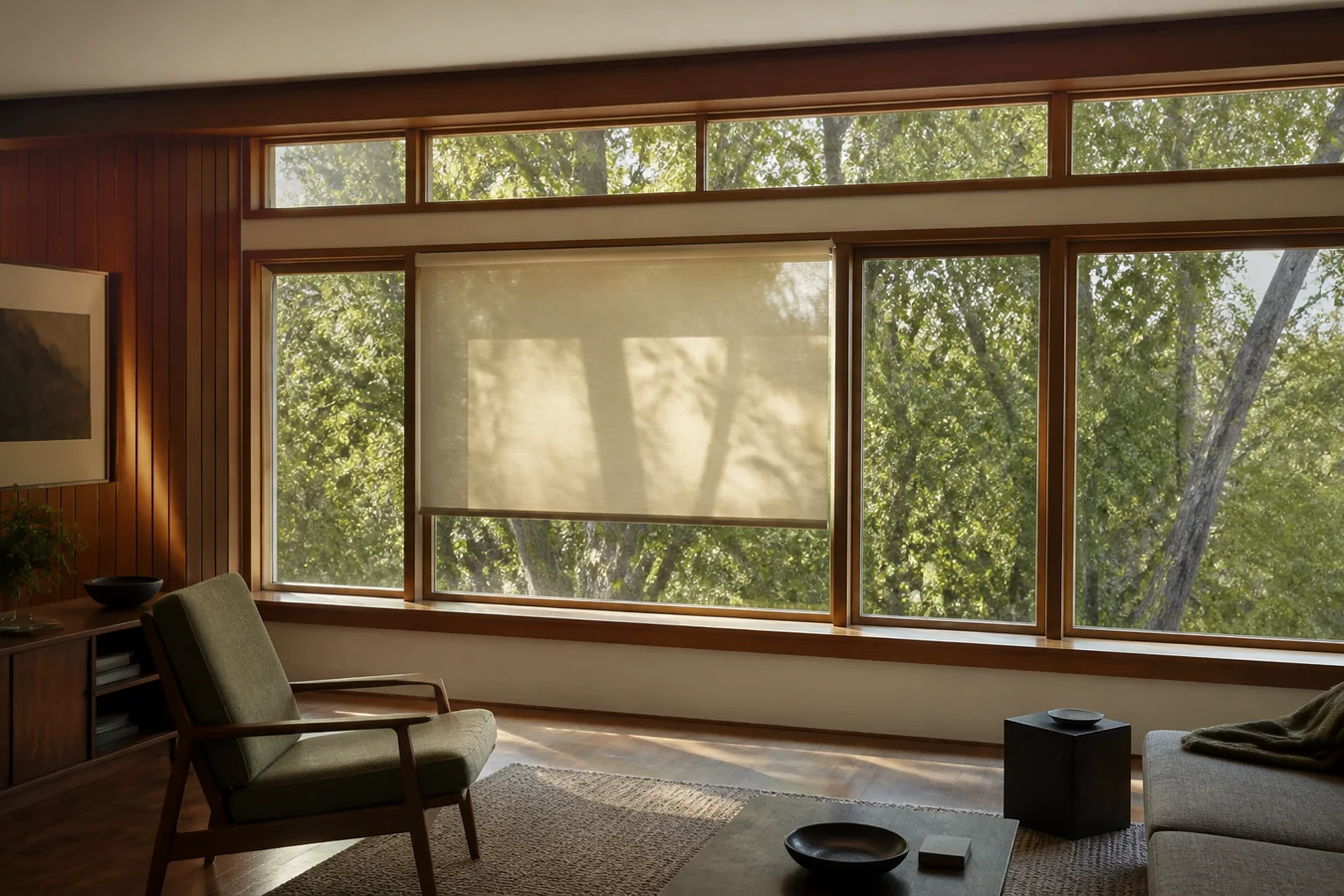
Preserve the window grid, clerestory and view while solving glare and privacy. Map the exact shade hardware, stack, fabric and controls before ordering.
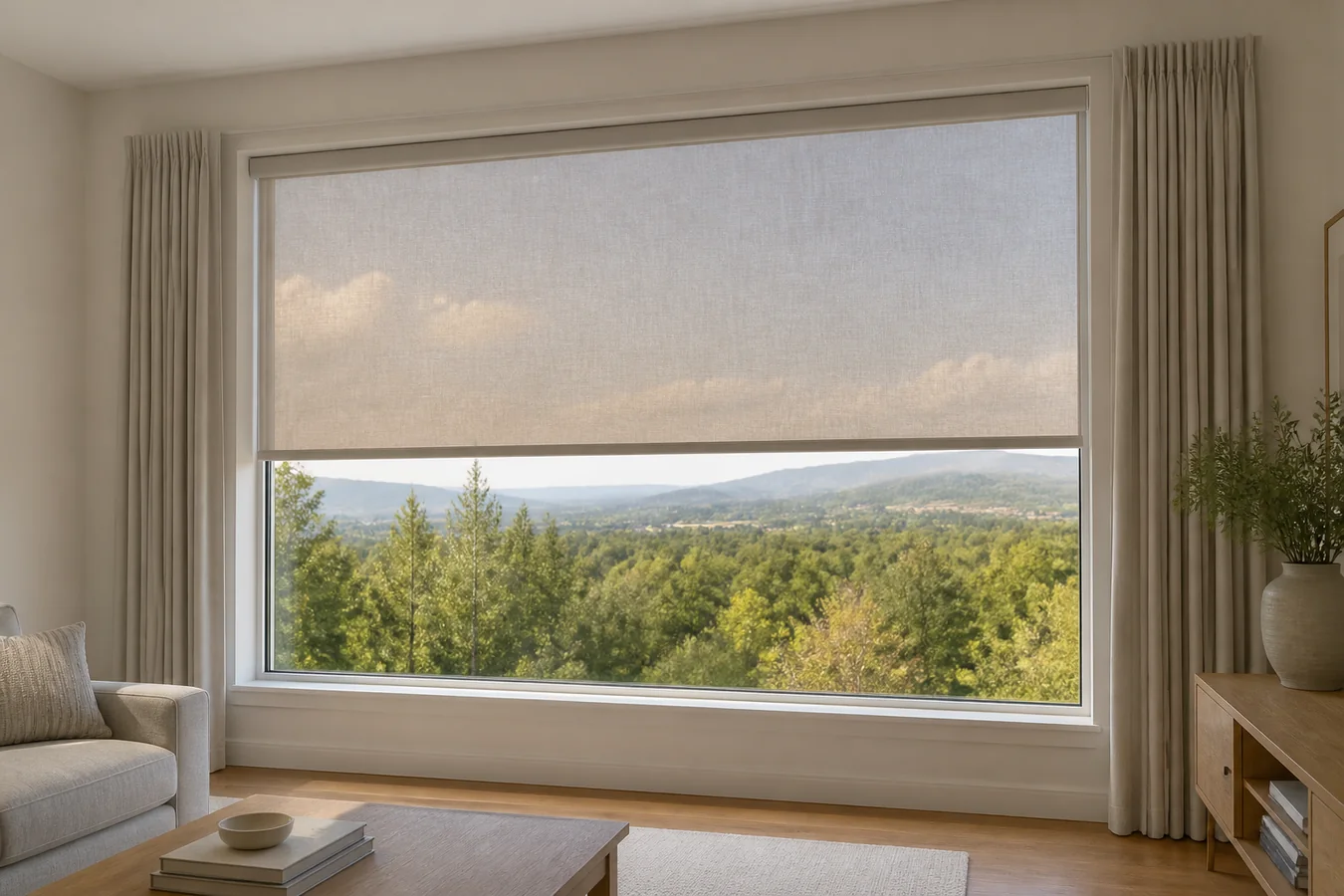
Map the view you want to keep, then compare glare, daylight and night-privacy states against exact product size, split lines, stack and controls.
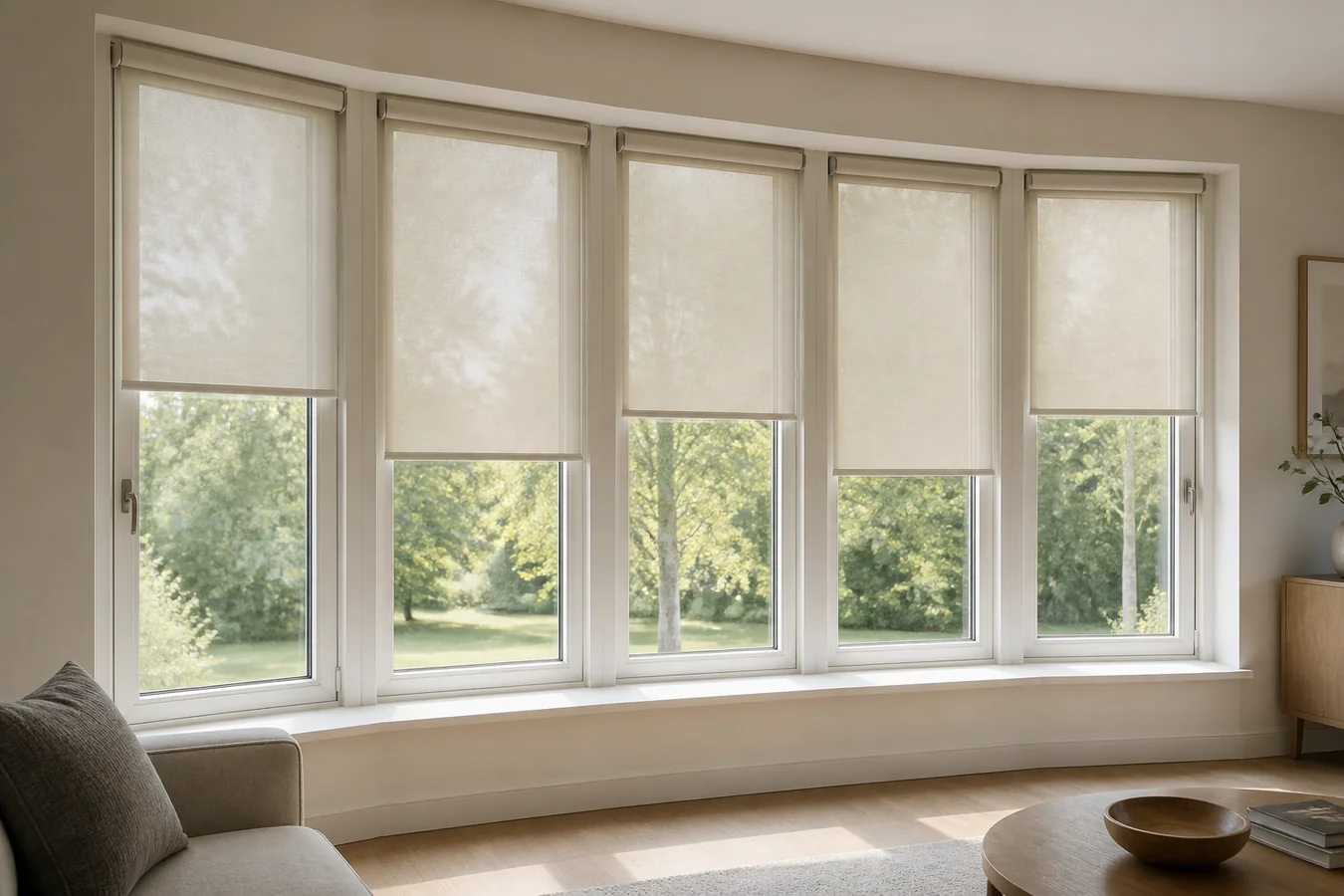
Turn a four-or-more-panel bow into segment and joint records, then check product depth, window operation, gaps, group controls and service before ordering.
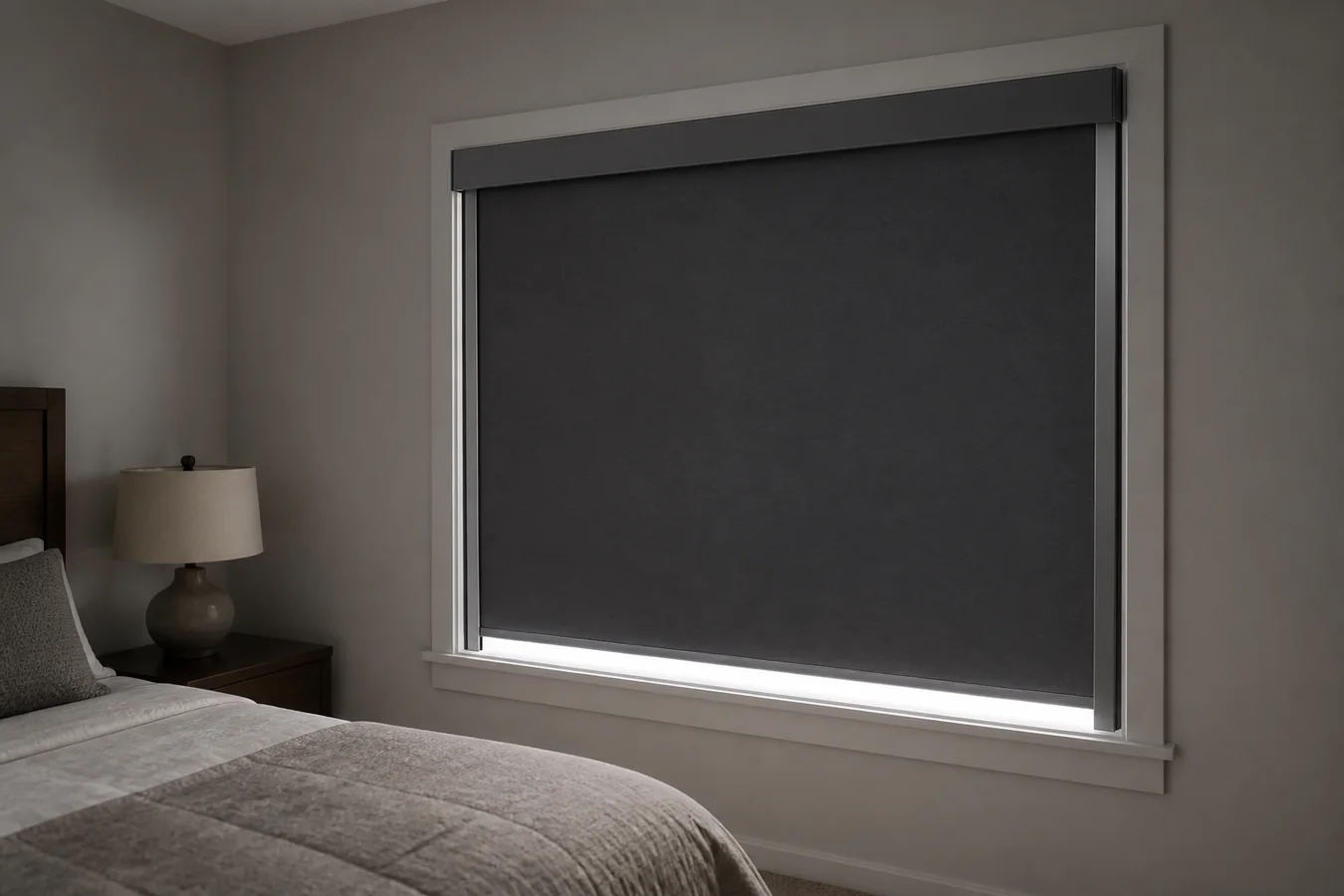
Trace light at the cassette, side channels and sill, then check fabric travel, hembar friction and service access before approving a tracked blackout system.
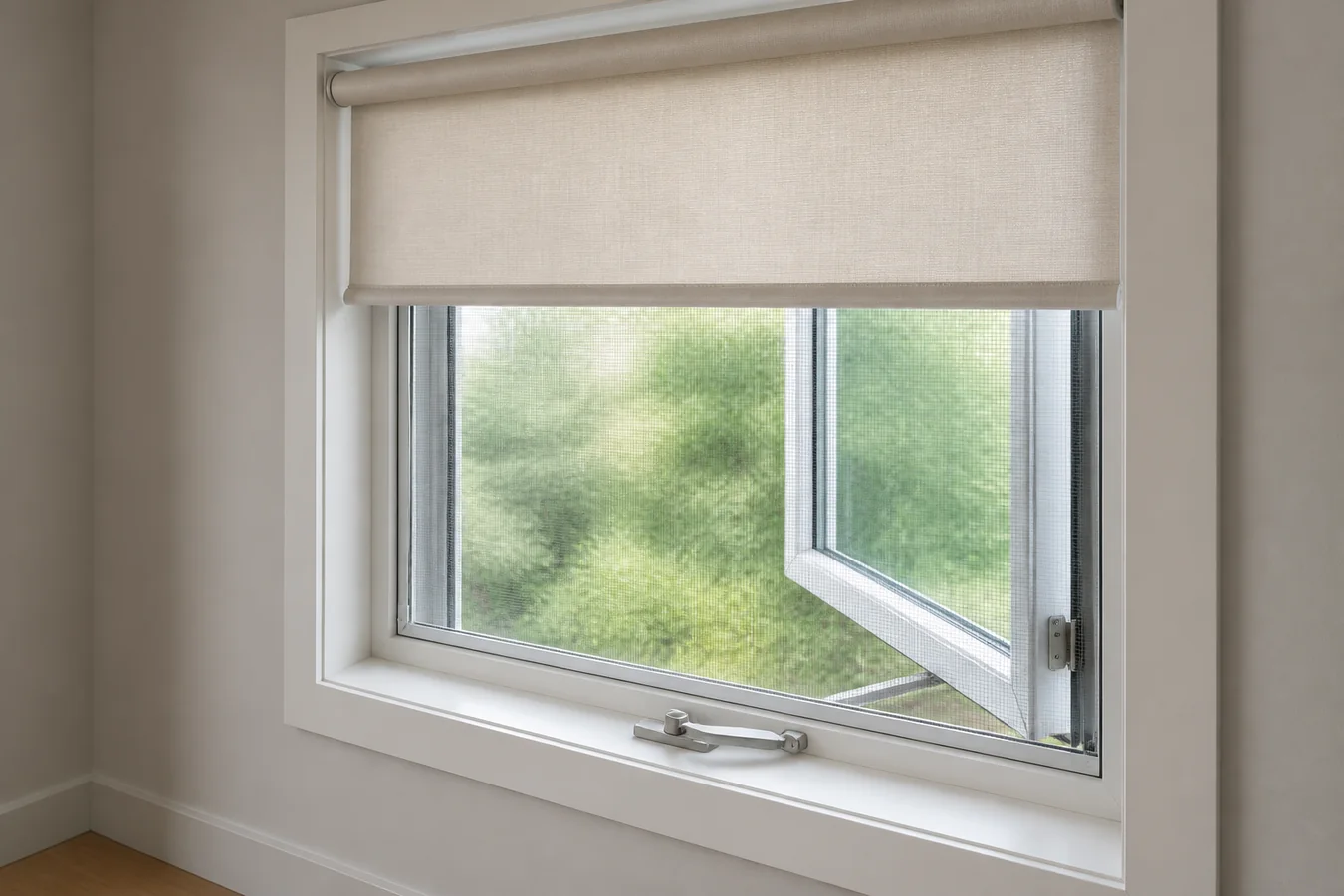
Map the sash, crank, locks, screen and shade path before choosing an inside mount, outside mount, reverse roll or side-clearing treatment.