
Vertical Blind Alternatives: Replace the Look, Not the Doorway
Use the old blind as a control: compare passage, tilt, stack side, parking space and service before choosing cellular shades, panels, drapery or shutters.
Side-by-side category and terminology comparisons for smart blinds, motorized shades, power paths, and product-decision boundaries.
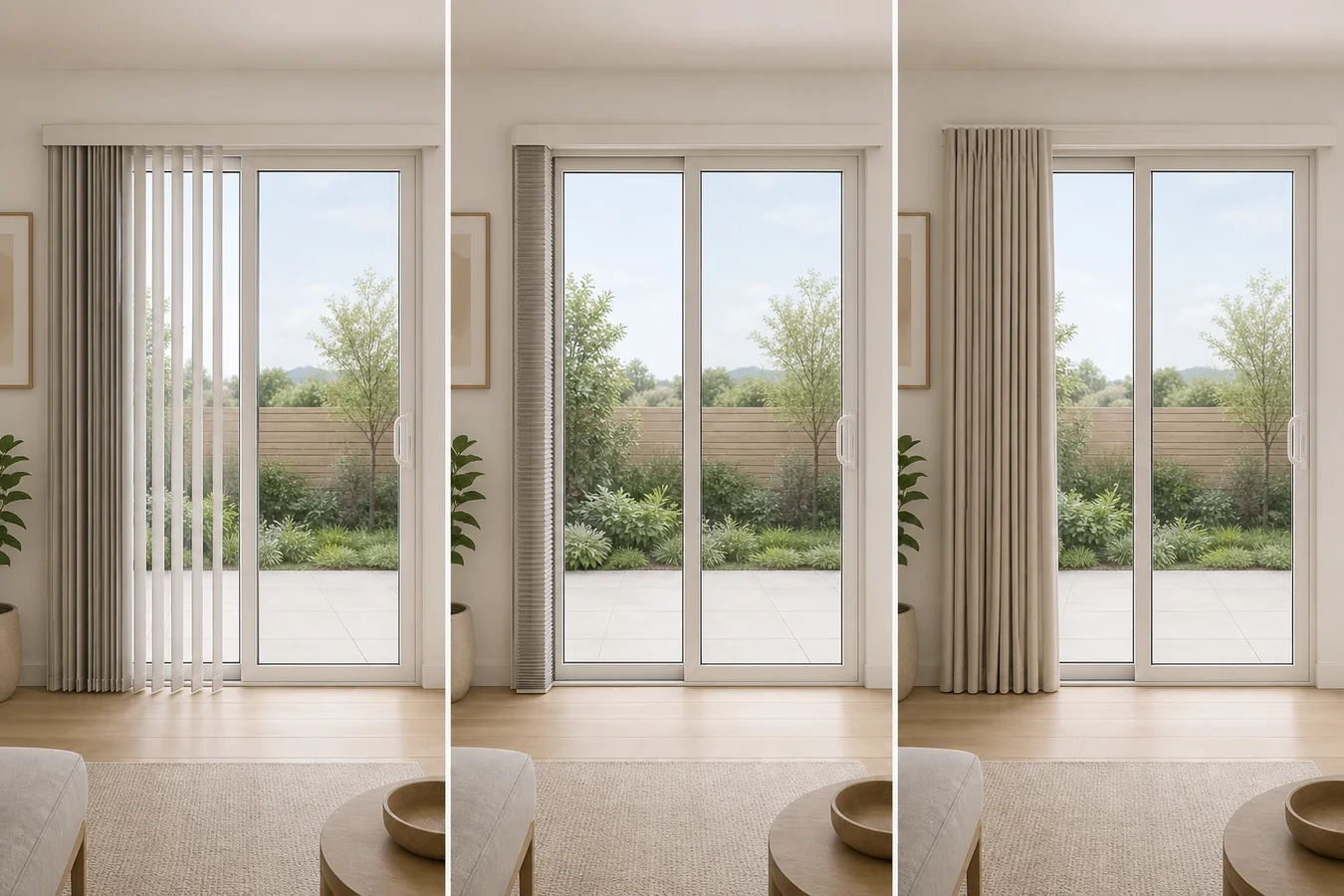
Use the old blind as a control: compare passage, tilt, stack side, parking space and service before choosing cellular shades, panels, drapery or shutters.
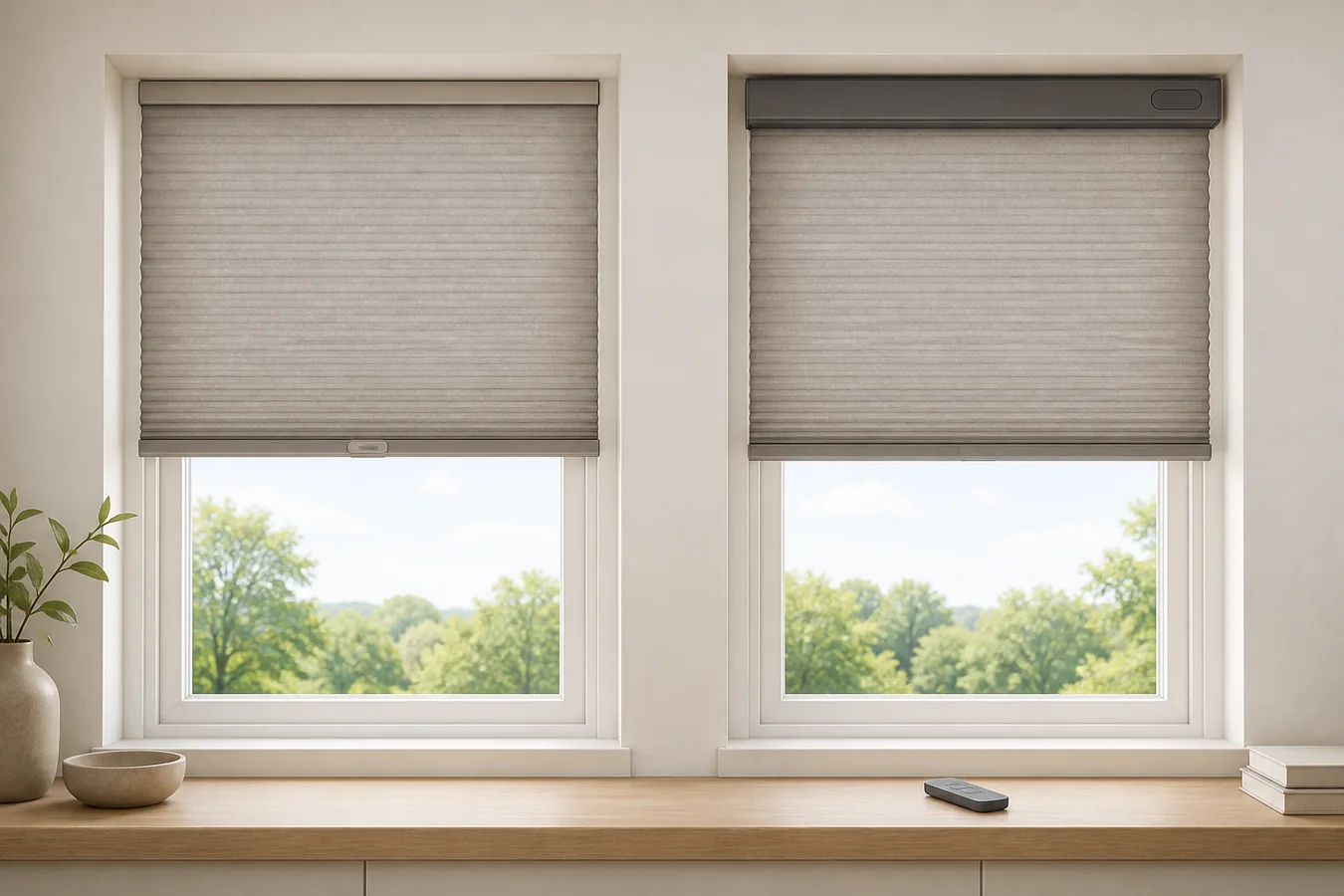
Hold the shade, fabric and window constant, then compare lift eligibility, reach, useful positions, power, controls, fallback, service and the full quote.
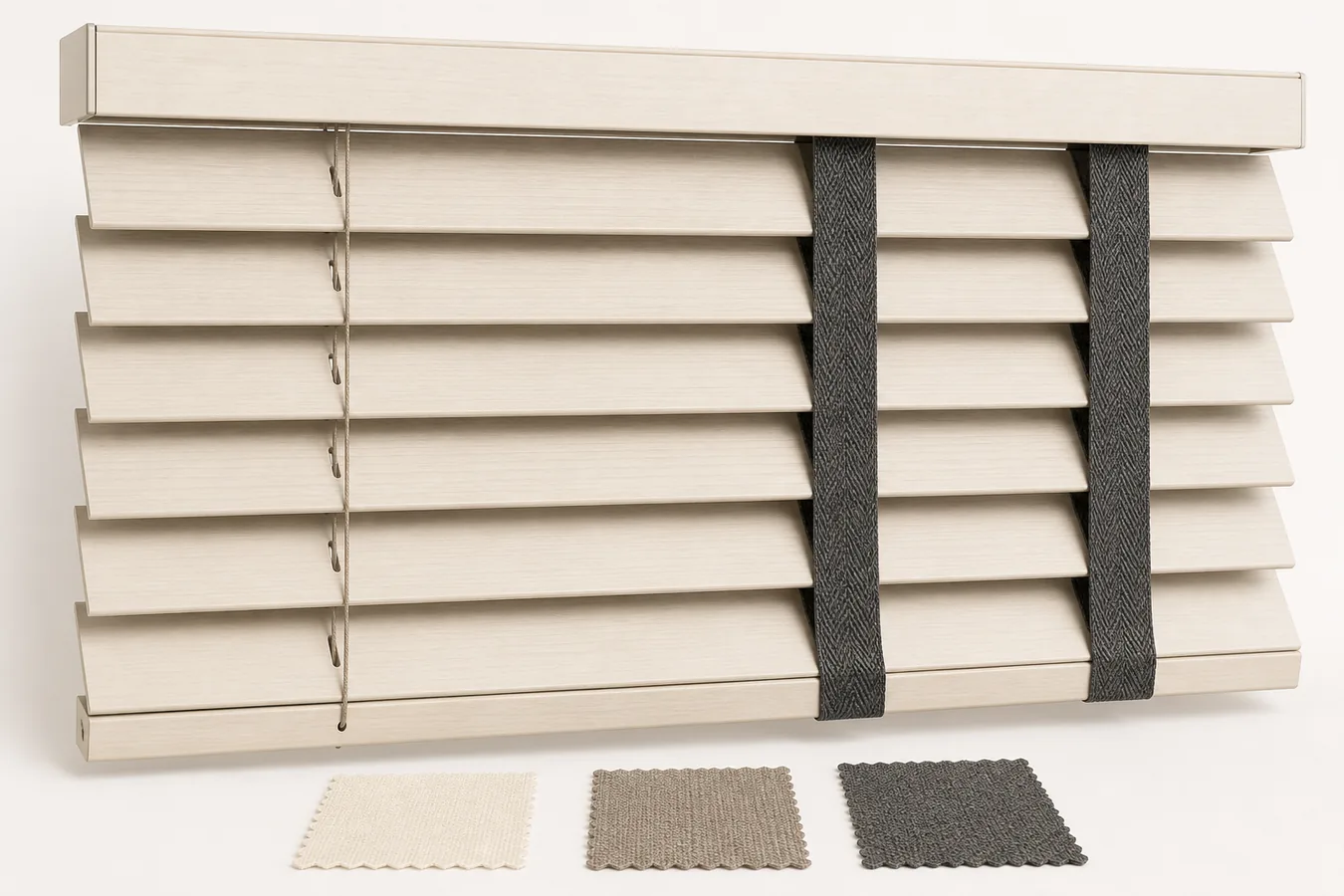
See how decorative tape affects blind option eligibility, route-hole coverage, controls, cleaning and repair before a color swatch locks the wrong order.
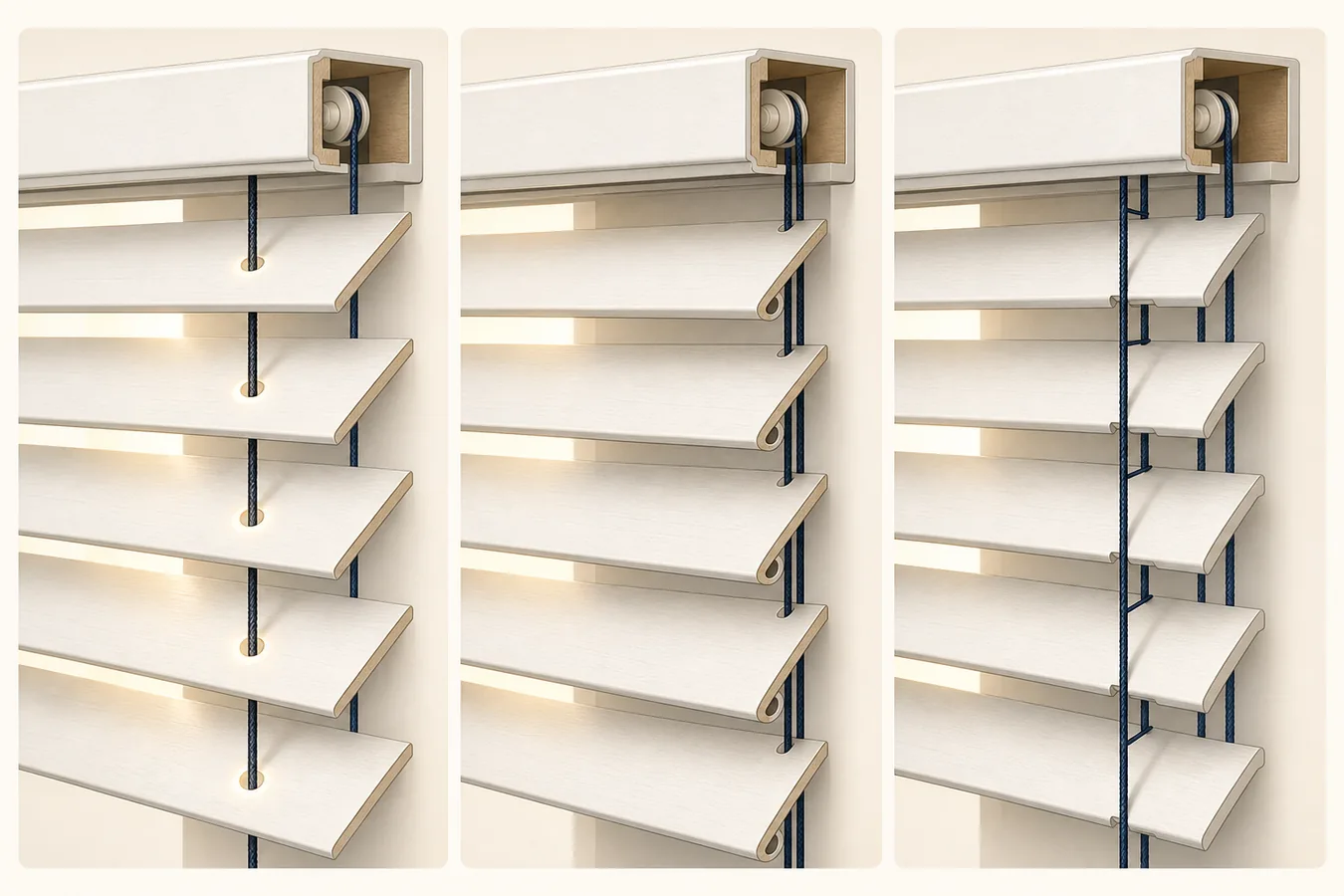
See how routed, privacy-route and routeless blinds hold each slat, change visible light pinholes and affect door, cleaning and cordless decisions.
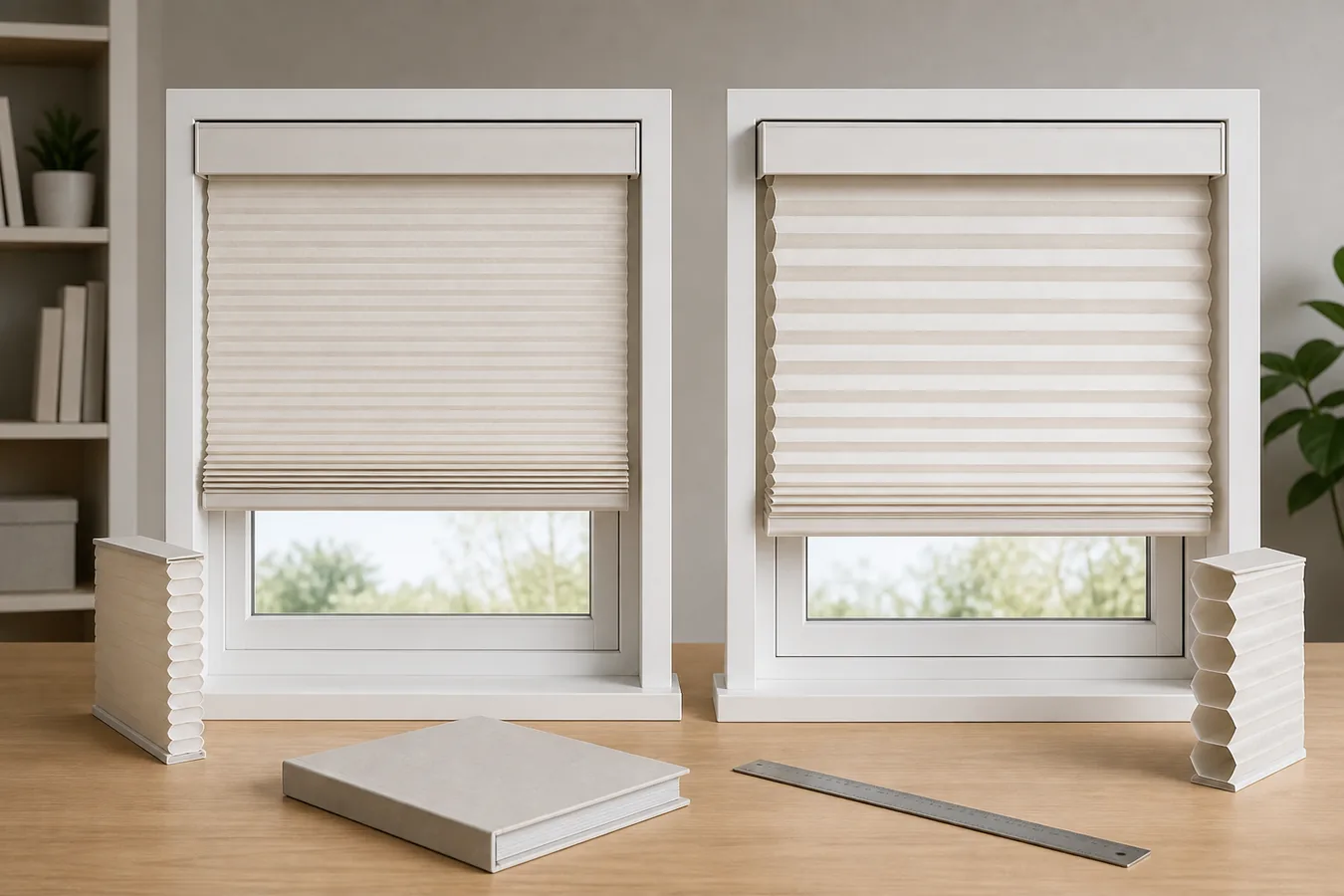
Compare exact 9/16- and 3/4-inch cellular shades by headrail depth, height-specific stack, cell count, controls and named energy evidence.
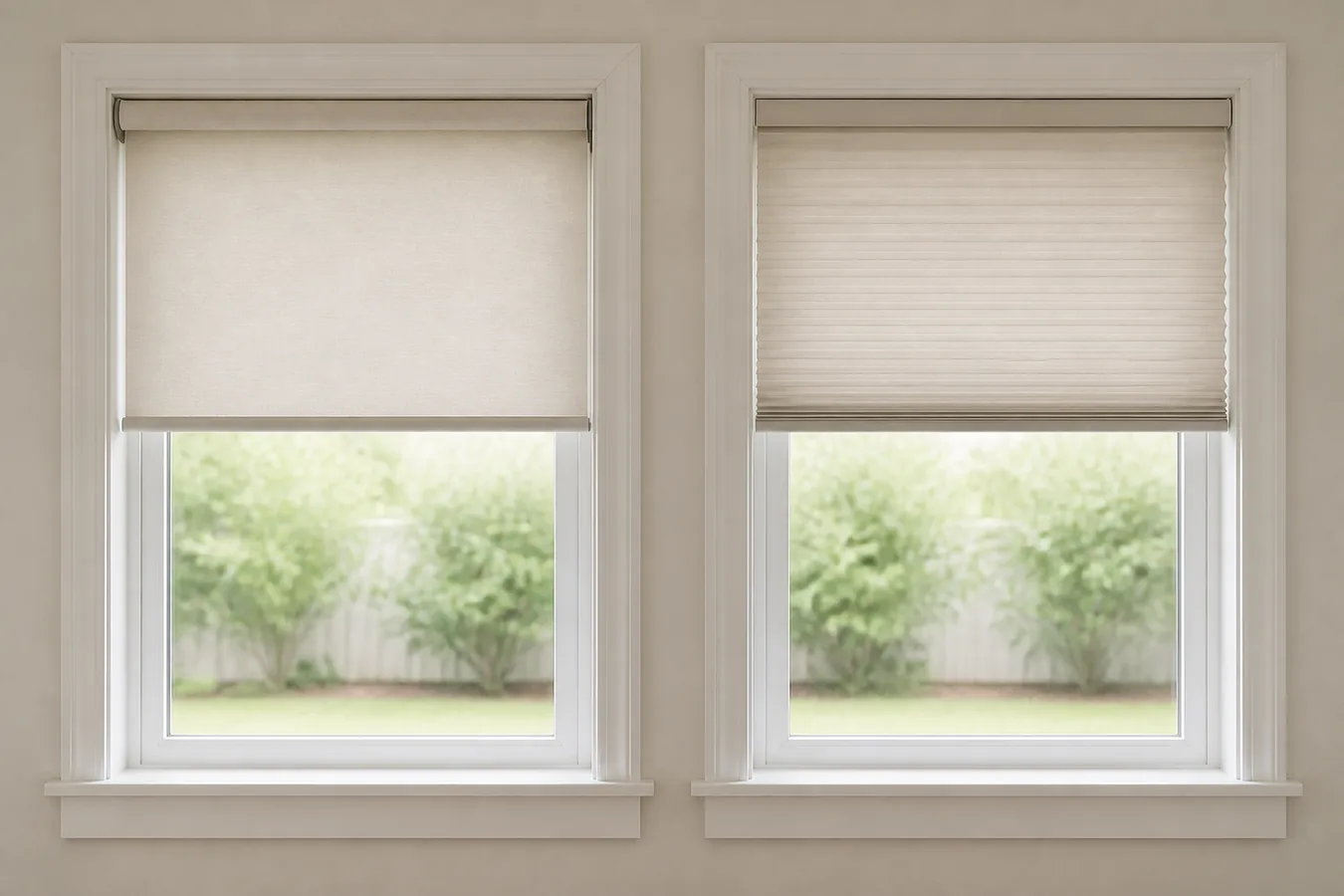
Compare the finished roll or stack, closed edges, exact energy rating, fabric care and controls before choosing roller or cellular shades.
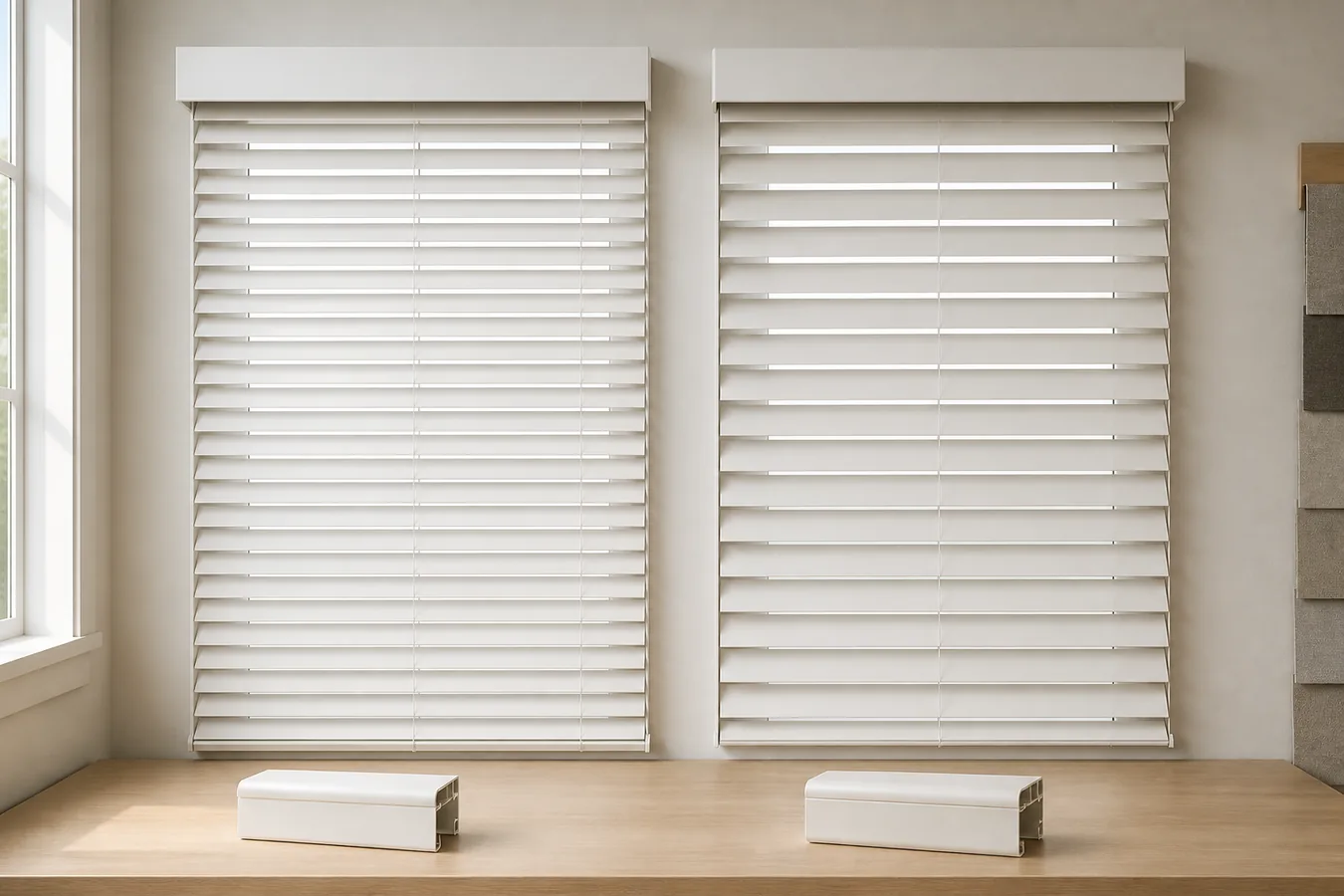
Compare two exact blinds on one opening: headrail depth, flush fit, raised height, ladder layout, controls and size limits can all change with slat size.
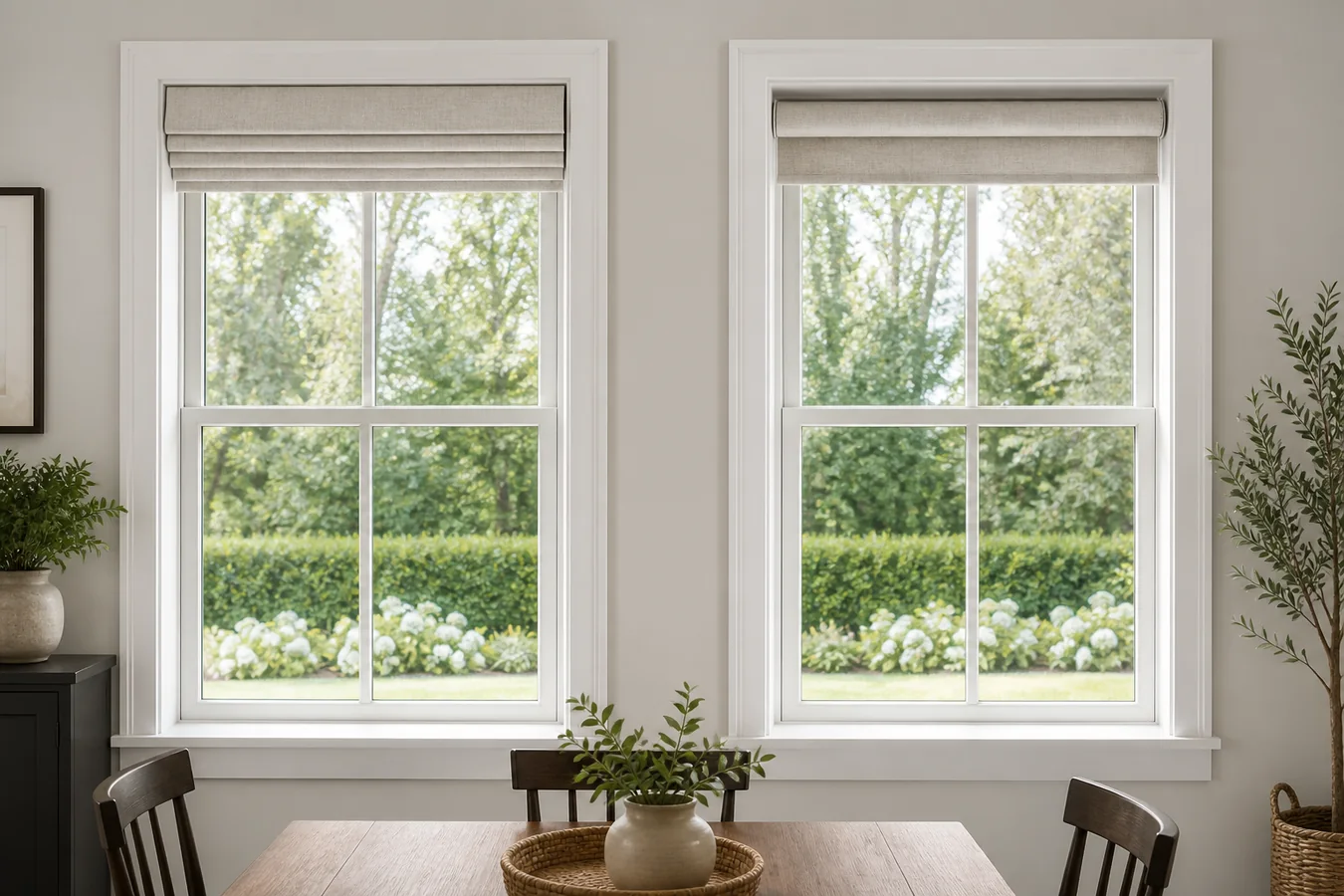
Compare Roman folds and roller tubes when raised, lowered, backlit and moving—then check liner, gaps, depth, controls, care and service.
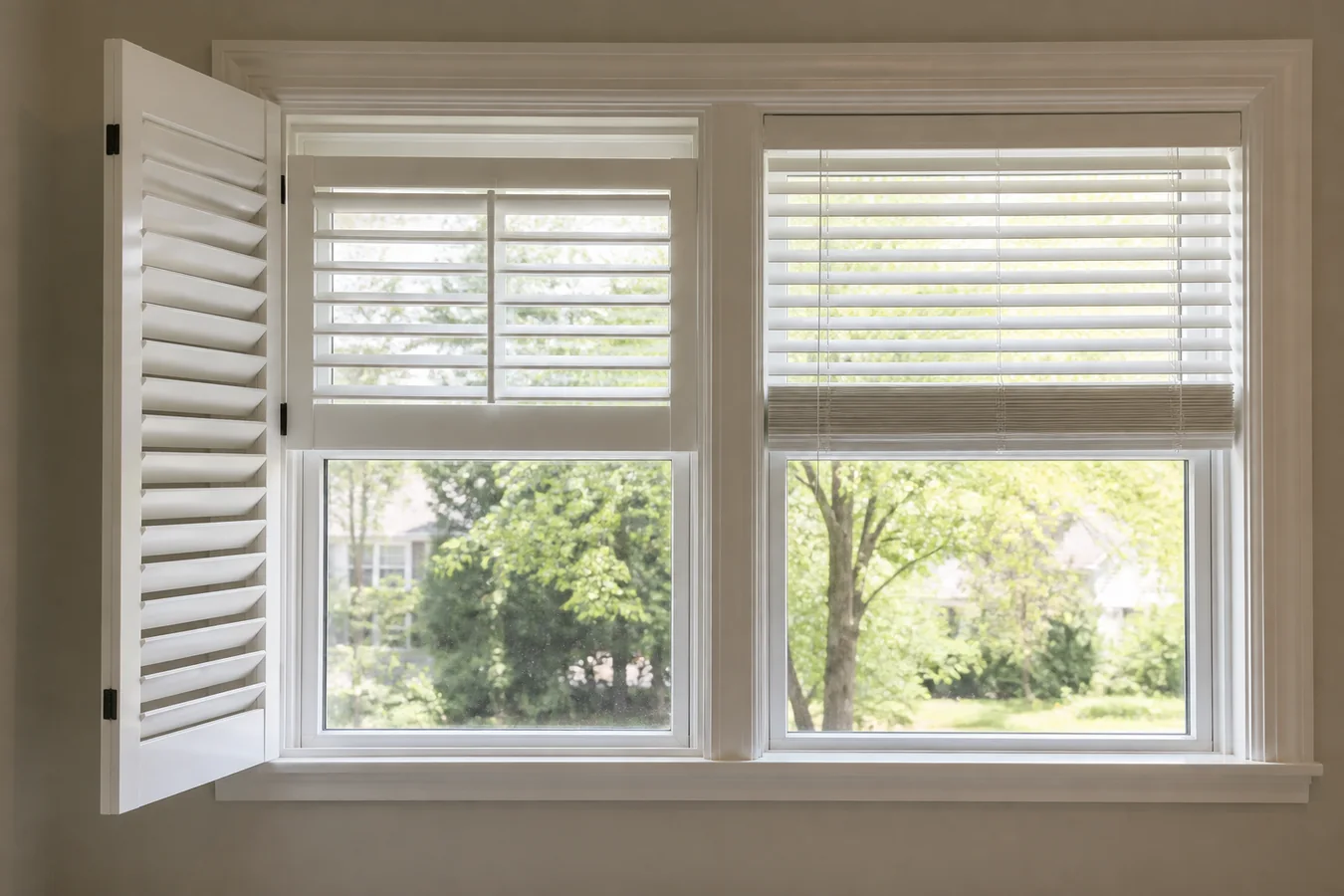
Draw shutter frames, panel swing, blind headrails and raised stacks on the same window before comparing light, cleaning, controls or permanence.
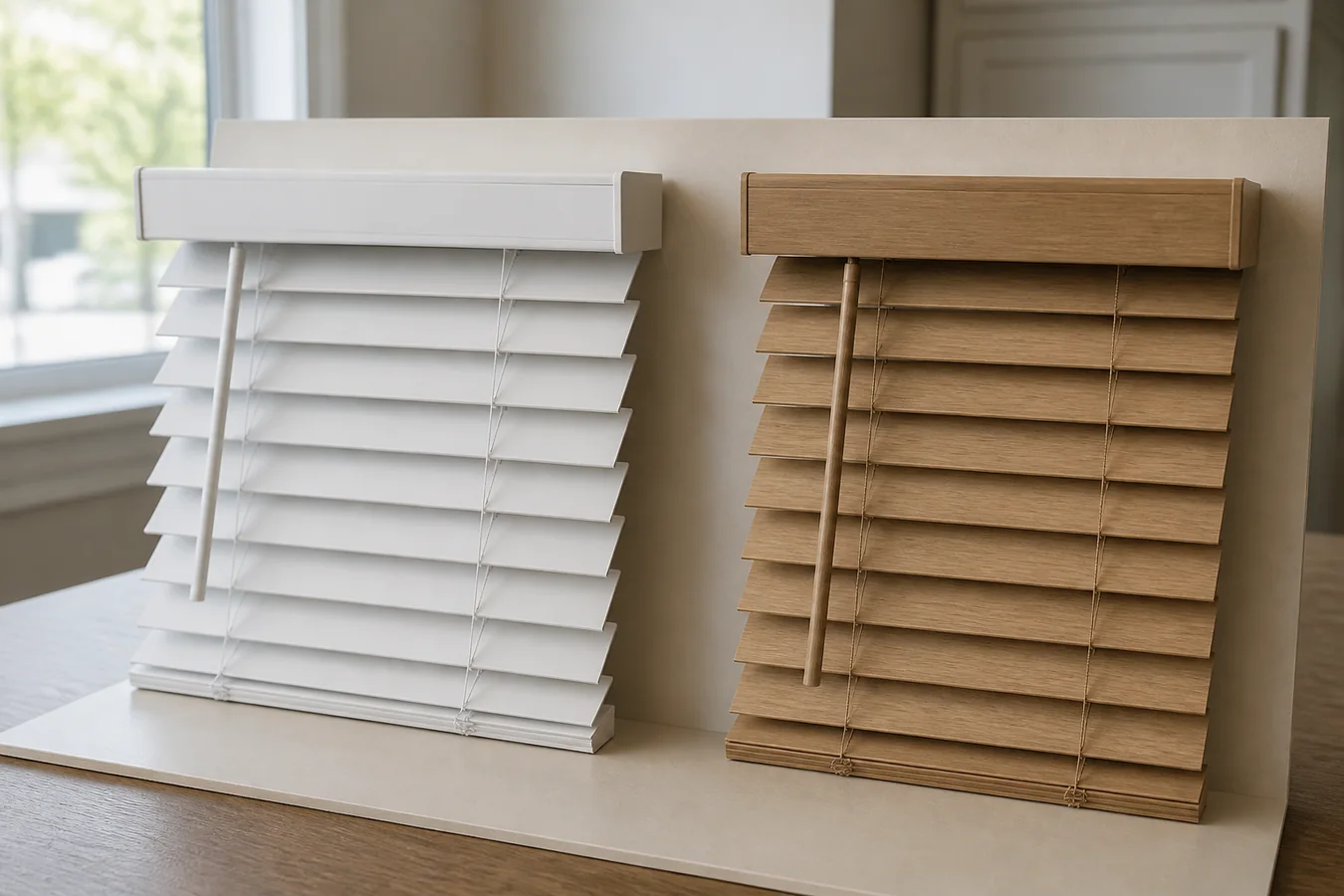
Compare two exact blinds by slat material, reinforcement, weight, size limits, moisture, care, warranty and lift—not overlapping labels.