
Comparisons and decision matrices — Page 2
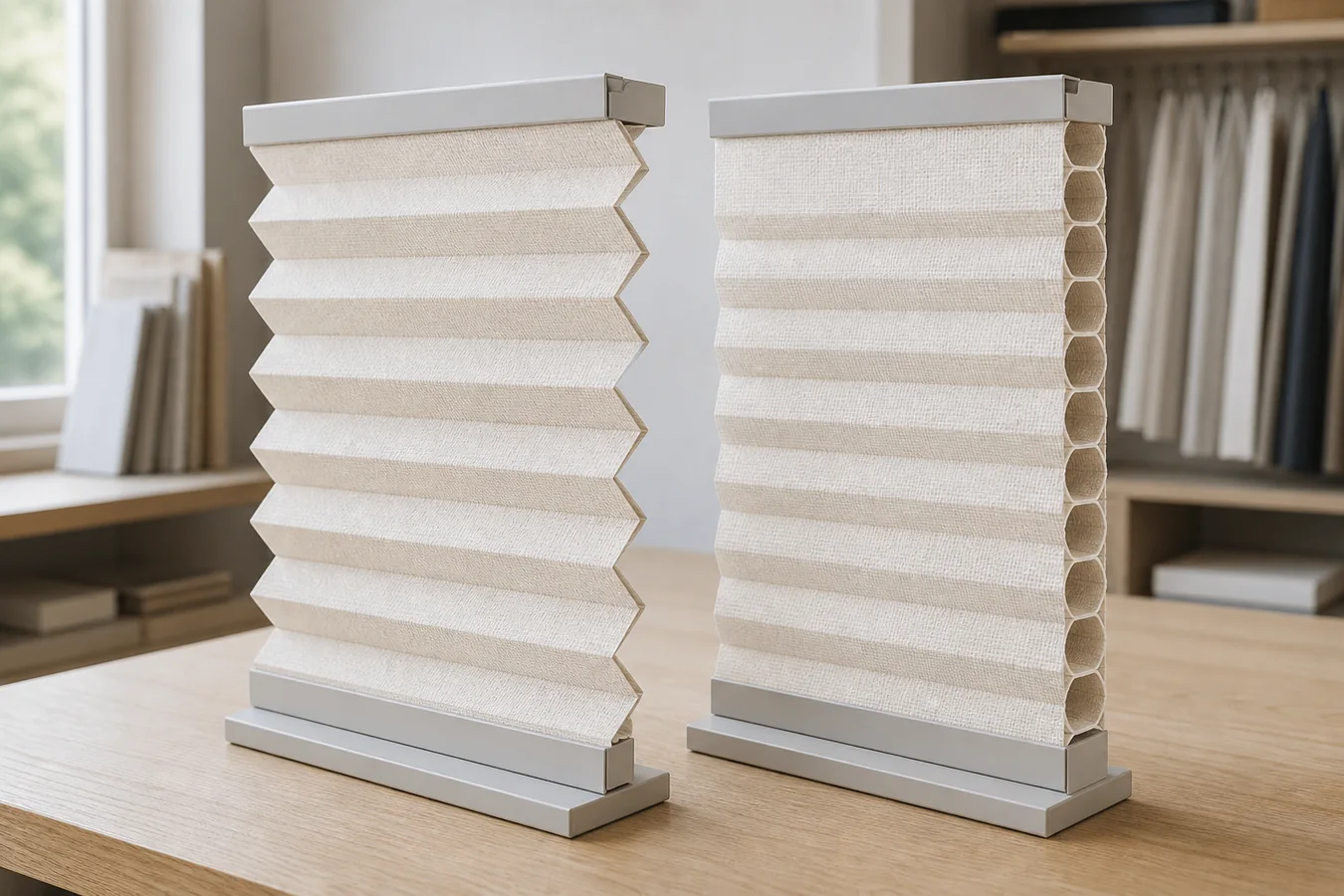
Pleated vs Cellular Shades: Turn the Sample Sideways Before You Choose
Compare the side profile, exact liner, backlit privacy, product energy rating and control option before choosing pleated or cellular shades.
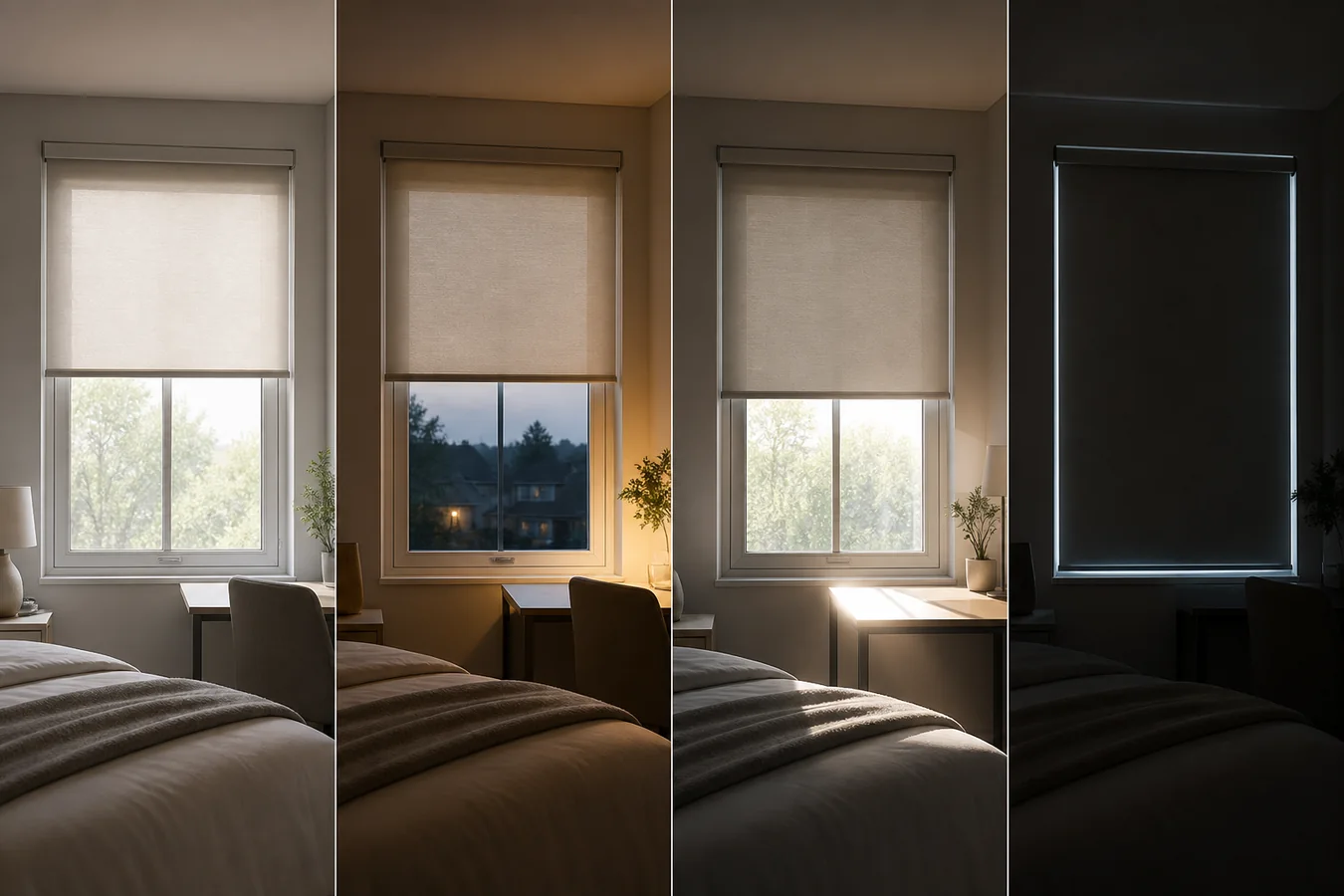
Light Filtering vs Room Darkening: Test the Fabric After Sunset
Compare the exact shade sample in daylight, after dark, against glare and at the edges before choosing light-filtering, room-darkening or blackout.
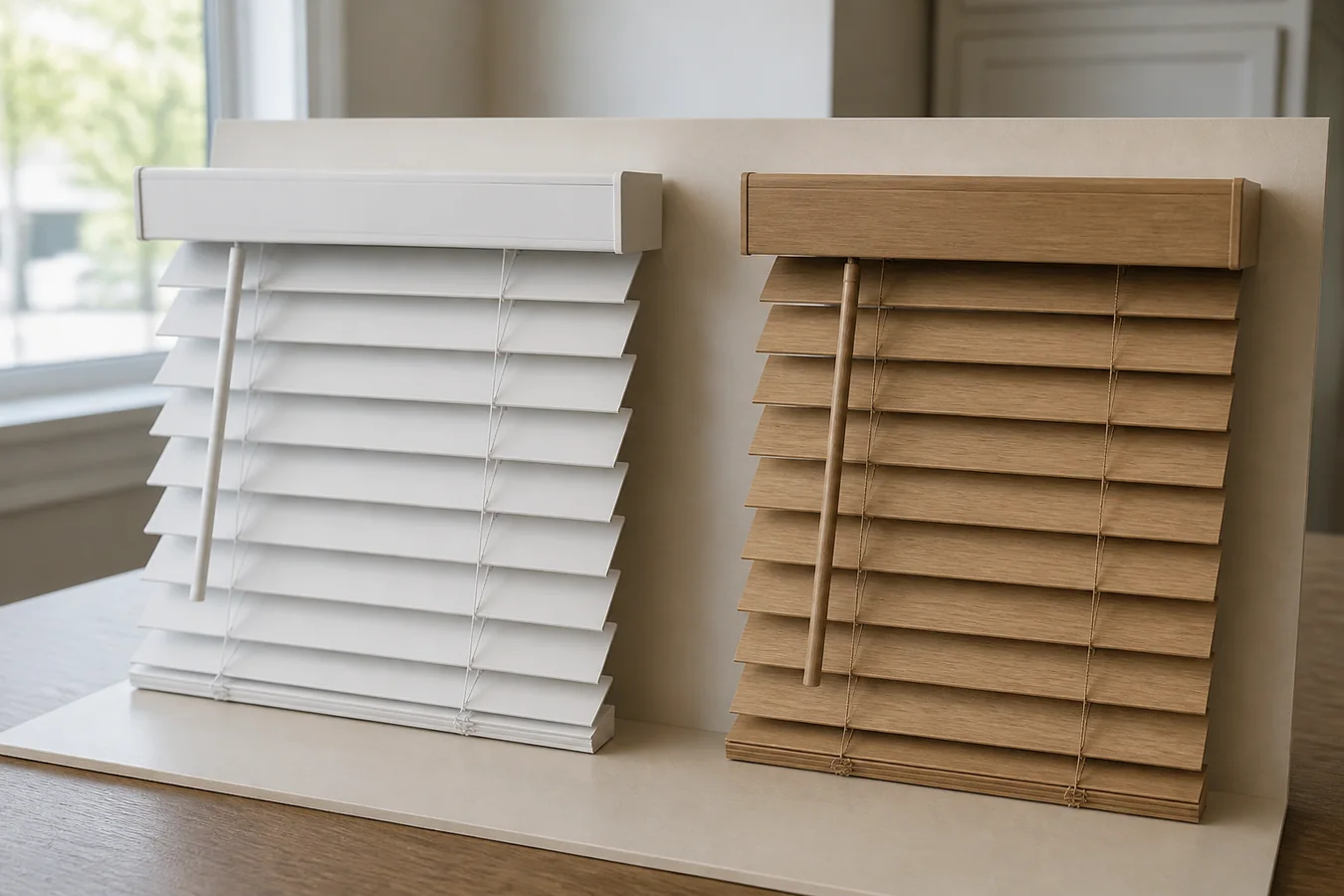
Composite Blinds vs Faux Wood: Ask What the Slats Are Made Of
Compare two exact blinds by slat material, reinforcement, weight, size limits, moisture, care, warranty and lift—not overlapping labels.
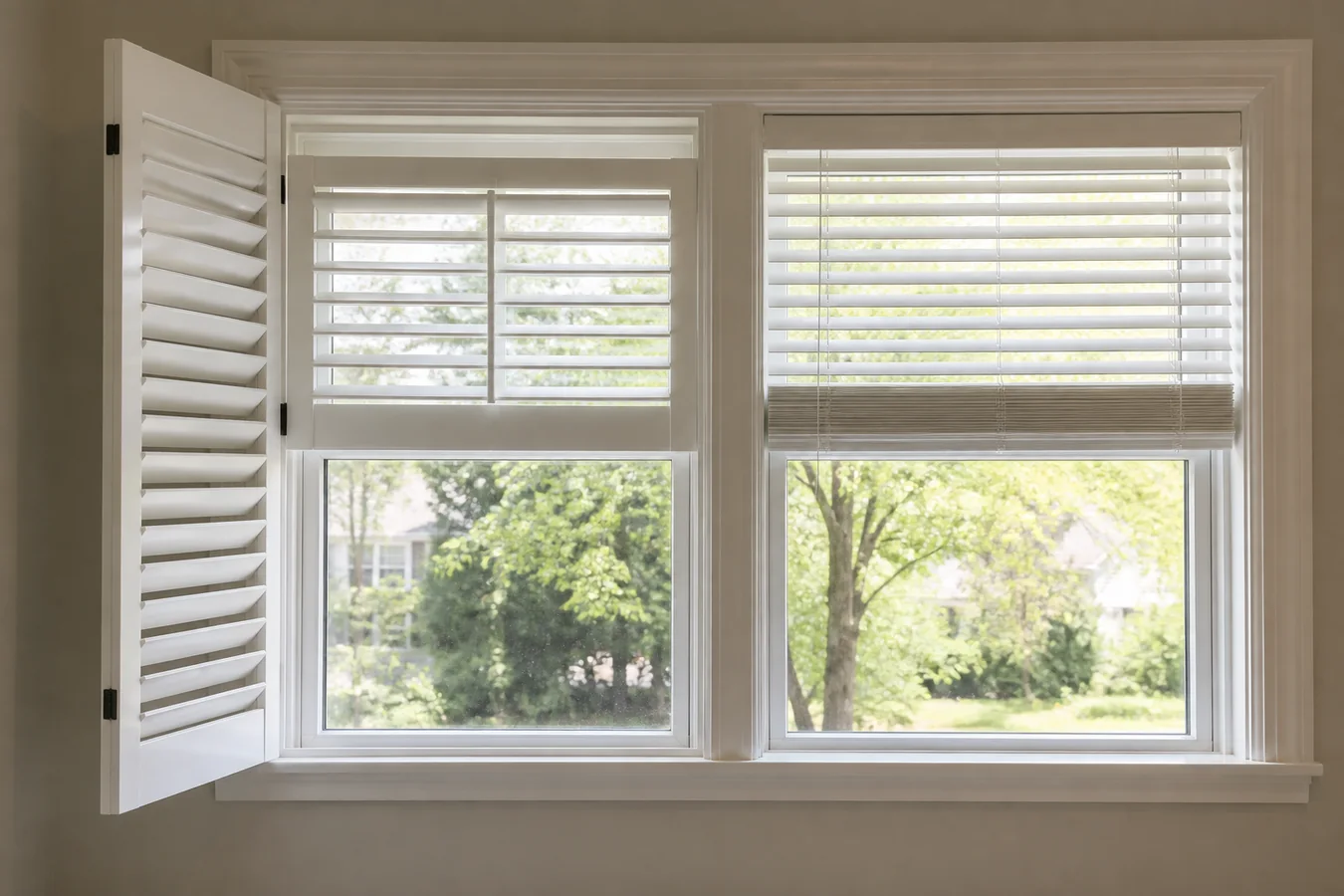
Shutters vs Blinds: Compare the Glass Left Open, Not Just the Slats
Draw shutter frames, panel swing, blind headrails and raised stacks on the same window before comparing light, cleaning, controls or permanence.
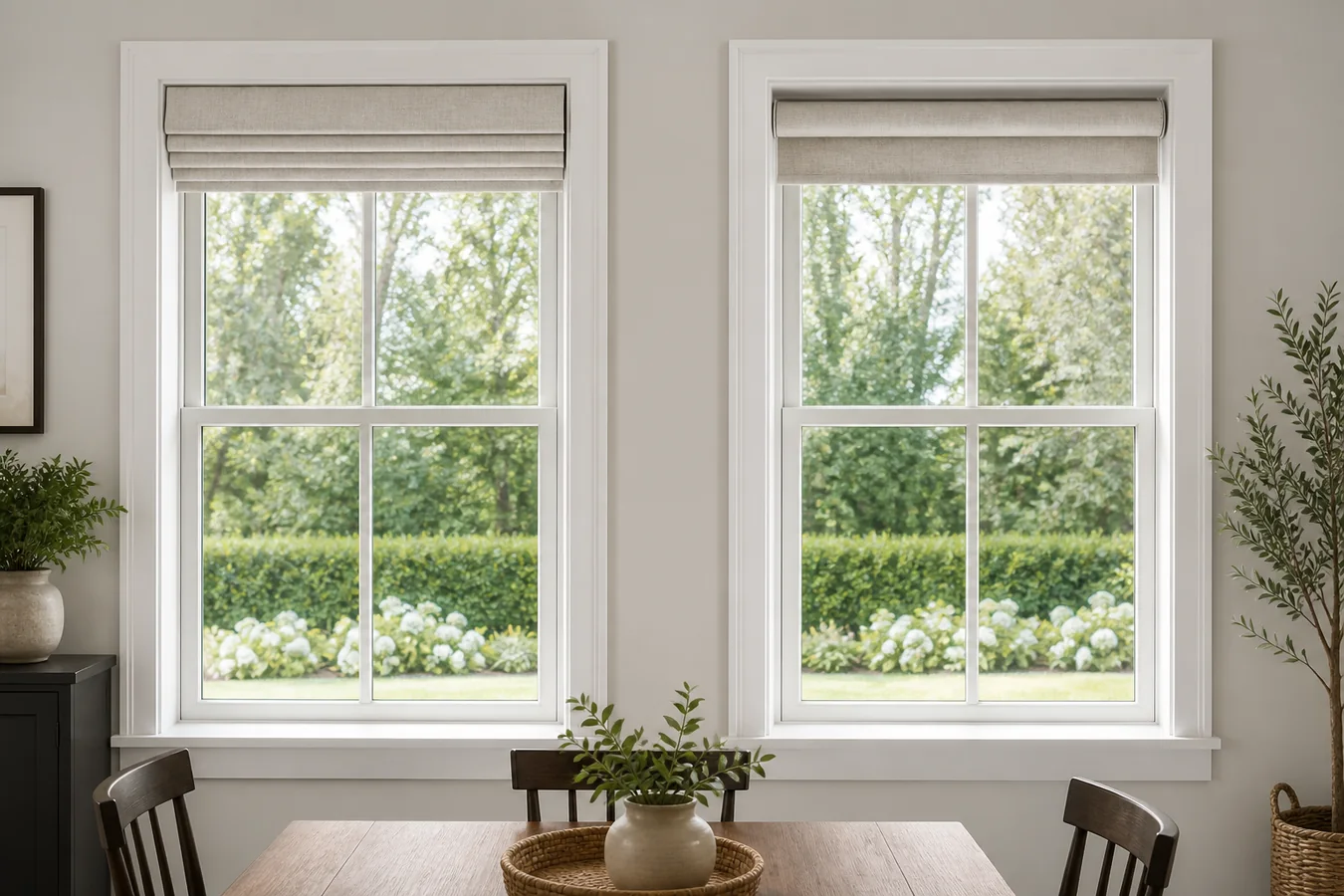
Roman Shades vs Roller Shades: Compare Them Fully Raised
Compare Roman folds and roller tubes when raised, lowered, backlit and moving—then check liner, gaps, depth, controls, care and service.
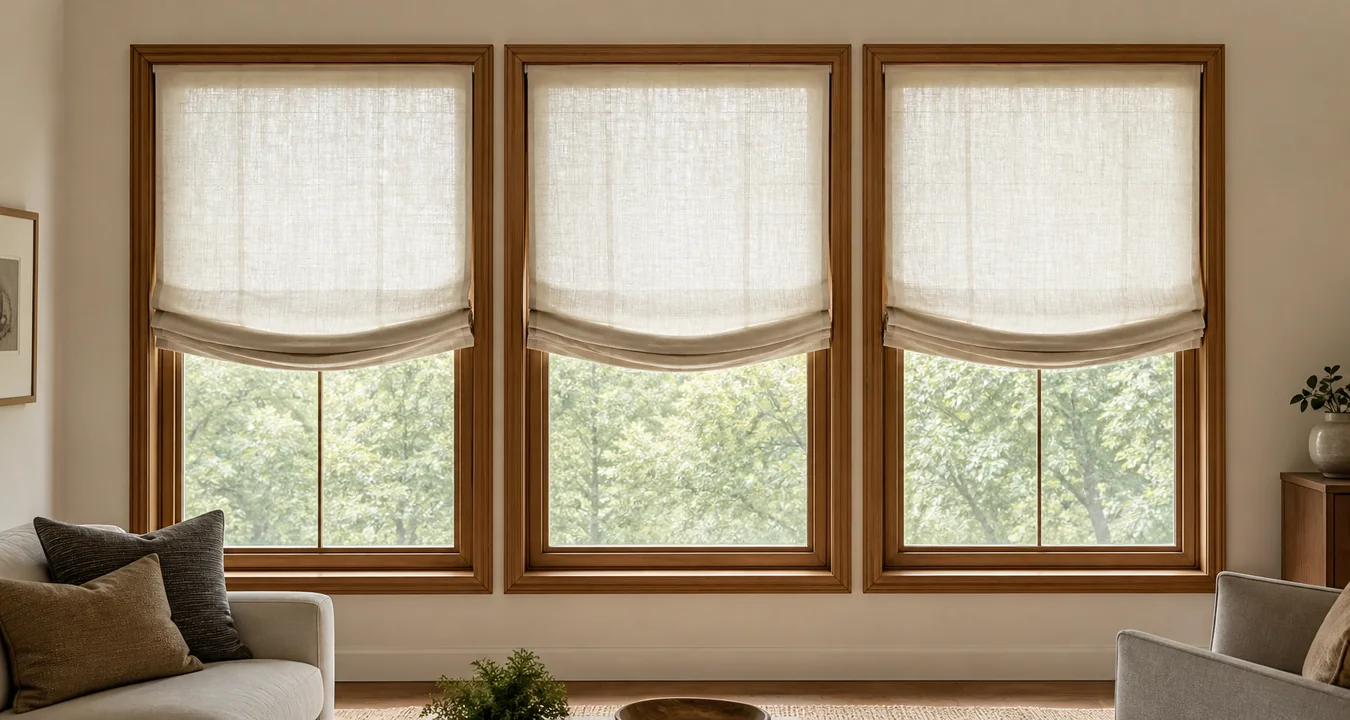
Relaxed Roman Shades Can Look Uneven—Check the Window Set First
Compare relaxed Roman shades fully lowered, partly raised and fully raised. See how fabric, lining, grouped windows and daily use change the curve.
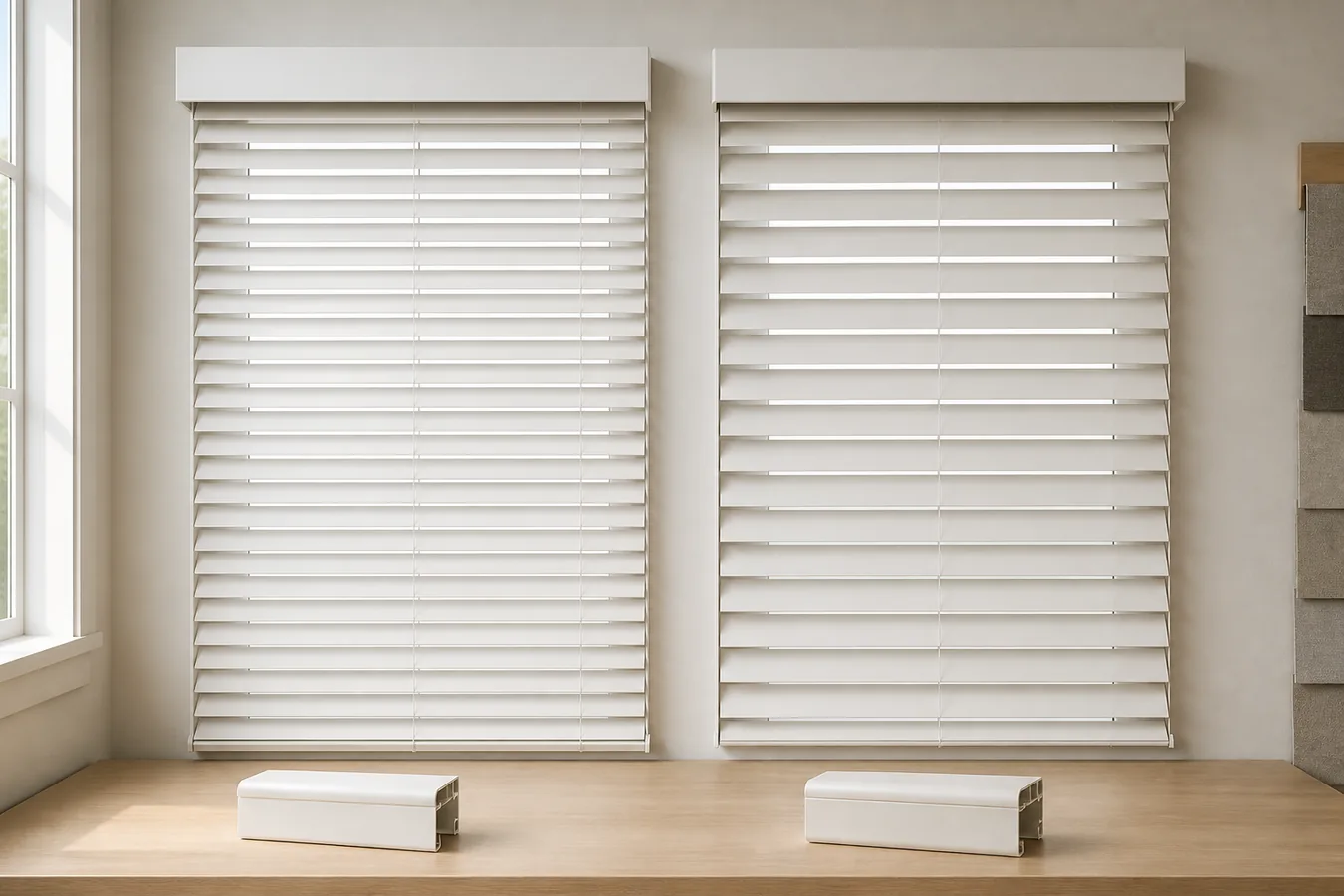
2 Inch vs 2.5 Inch Blinds Change the Headrail Too
Compare two exact blinds on one opening: headrail depth, flush fit, raised height, ladder layout, controls and size limits can all change with slat size.
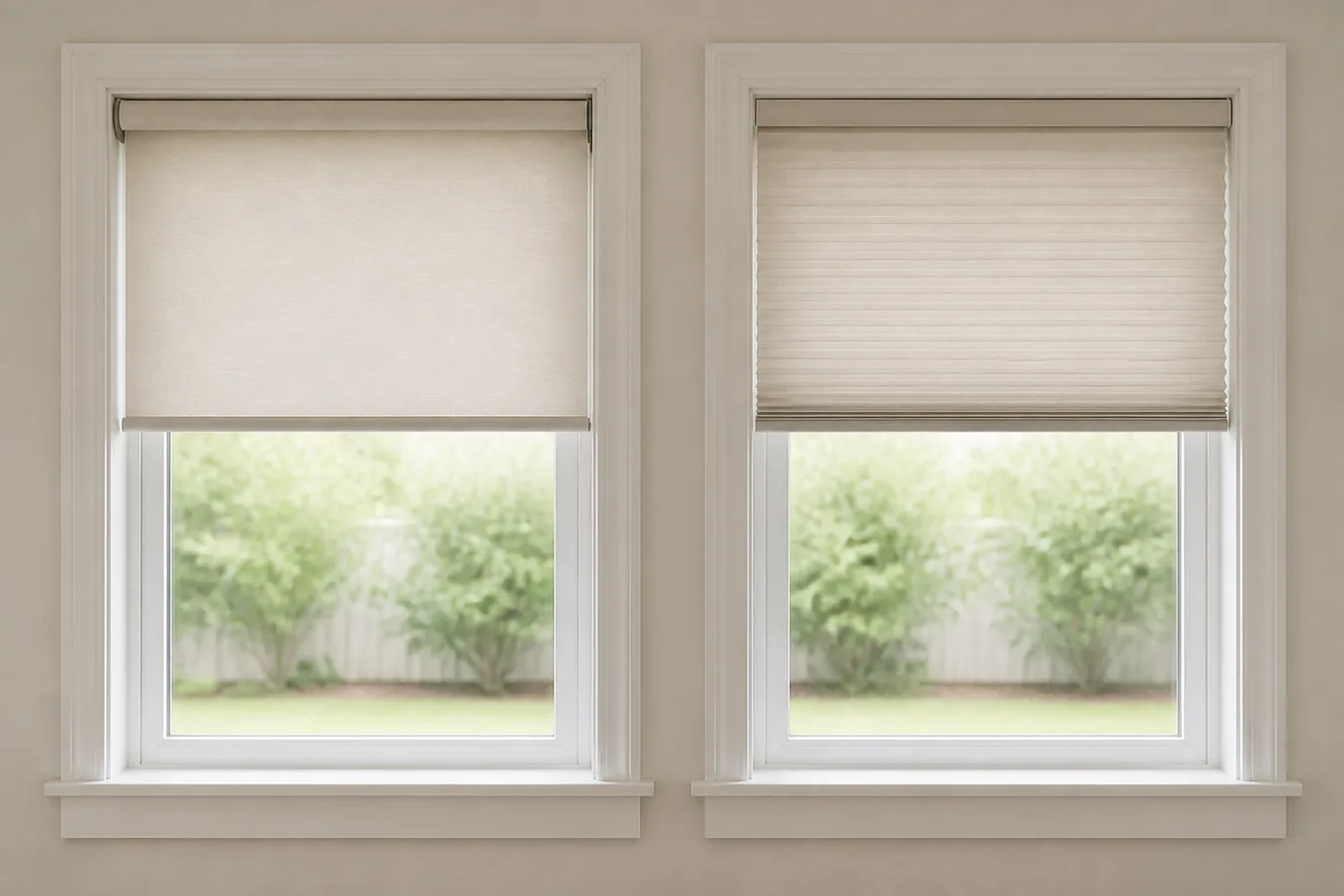
Roller Shades vs Cellular Shades Need the Same Window Test
Compare the finished roll or stack, closed edges, exact energy rating, fabric care and controls before choosing roller or cellular shades.
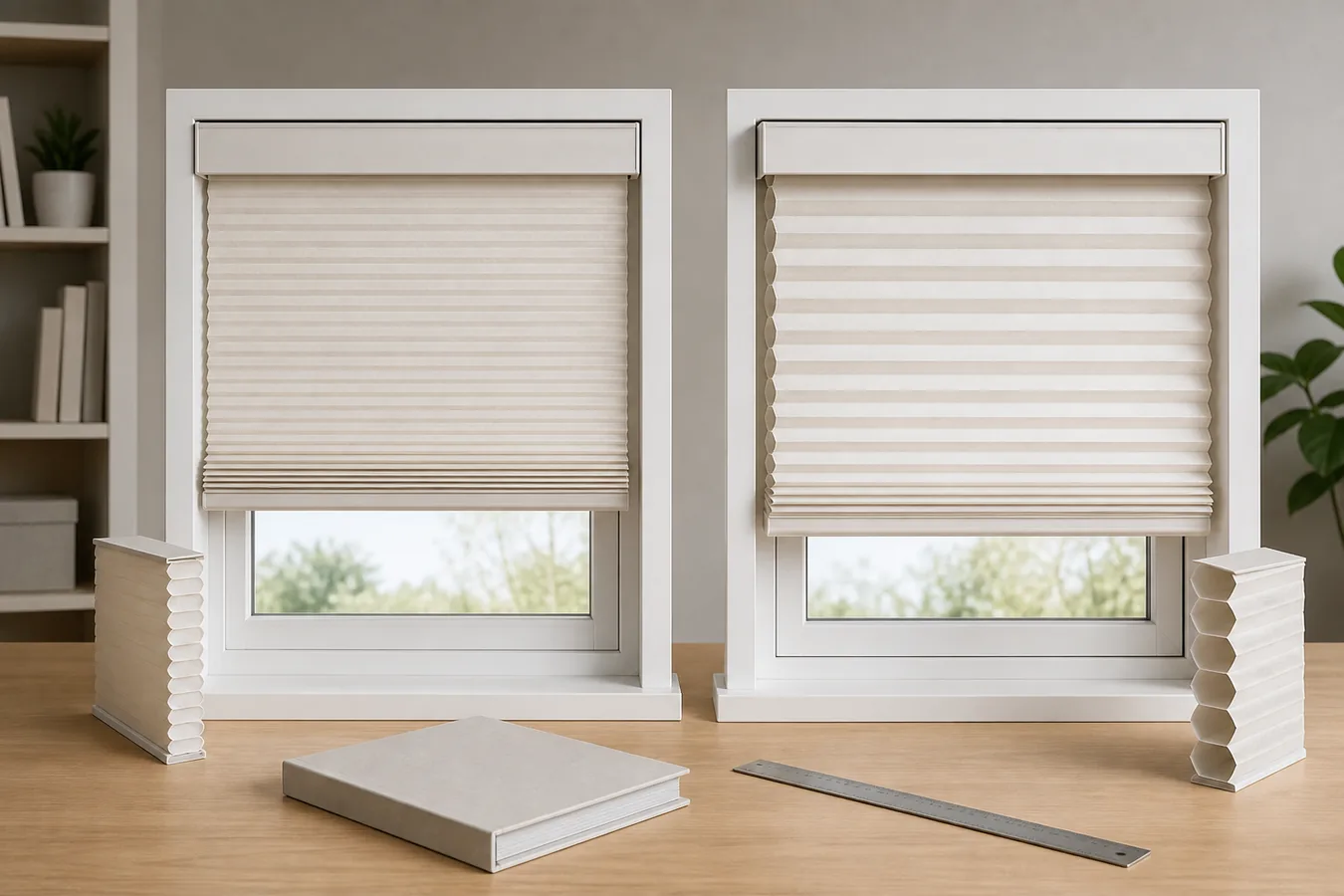
9/16 vs 3/4 Cellular Shades Need the Exact Stack Chart
Compare exact 9/16- and 3/4-inch cellular shades by headrail depth, height-specific stack, cell count, controls and named energy evidence.