
Decision guides — Page 5
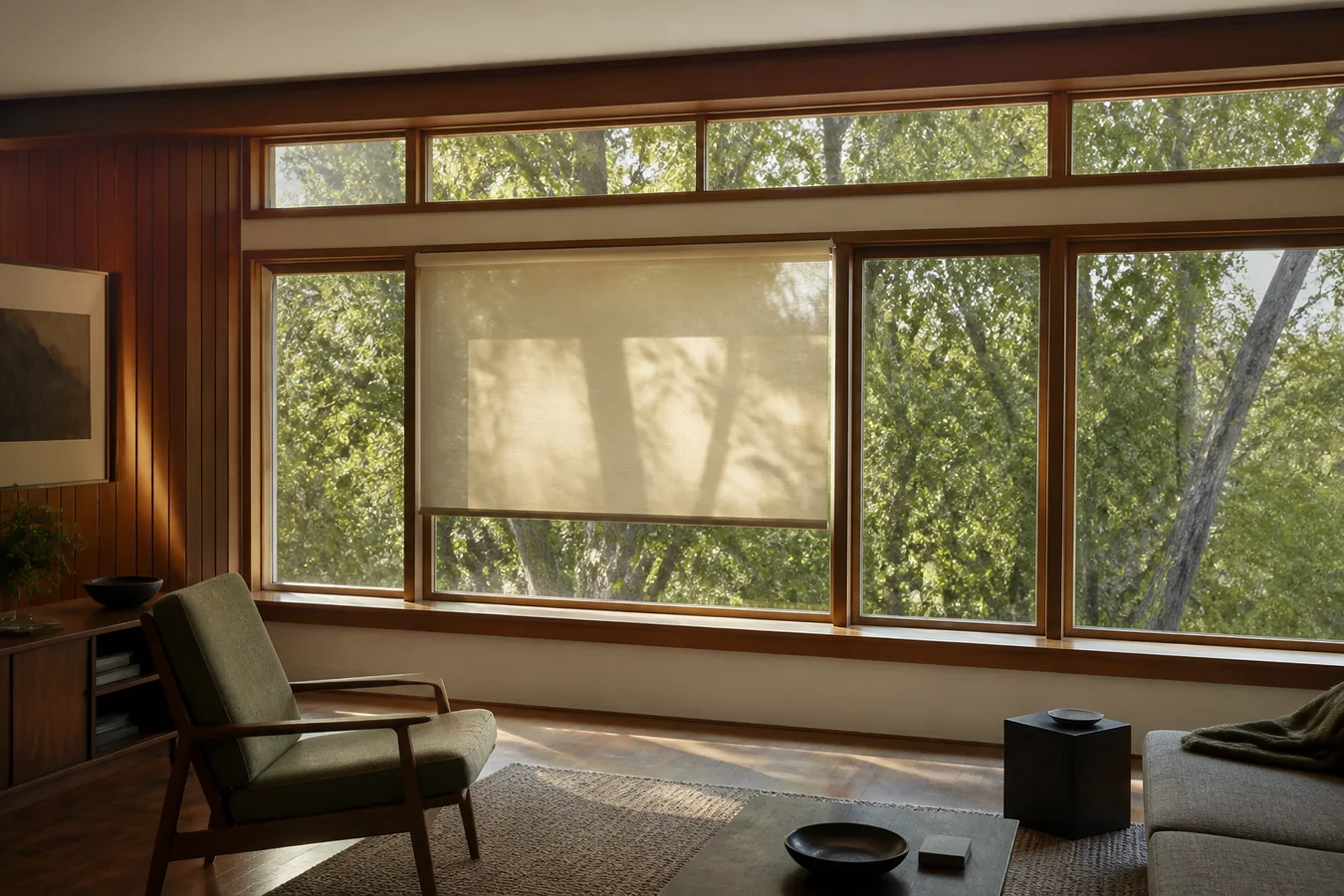
Mid-Century Window Treatments: Keep the Architecture in View
Preserve the window grid, clerestory and view while solving glare and privacy. Map the exact shade hardware, stack, fabric and controls before ordering.
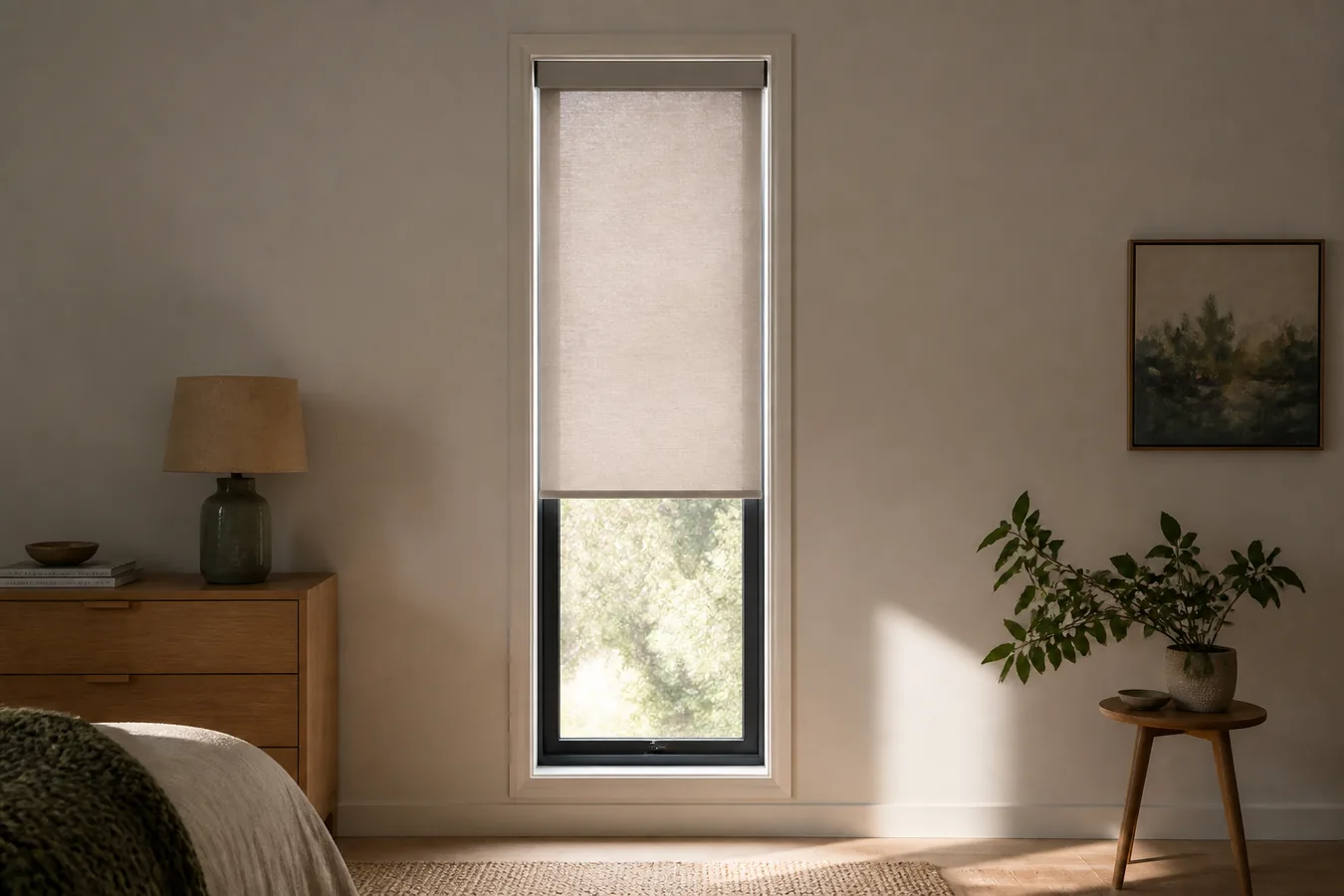
Narrow Blinds: Check the Full Drop Before You Order
Compare exact minimum width, finished side gaps, motor space and tall-drop tracking so a narrow blind can reach the sill without drifting off line.
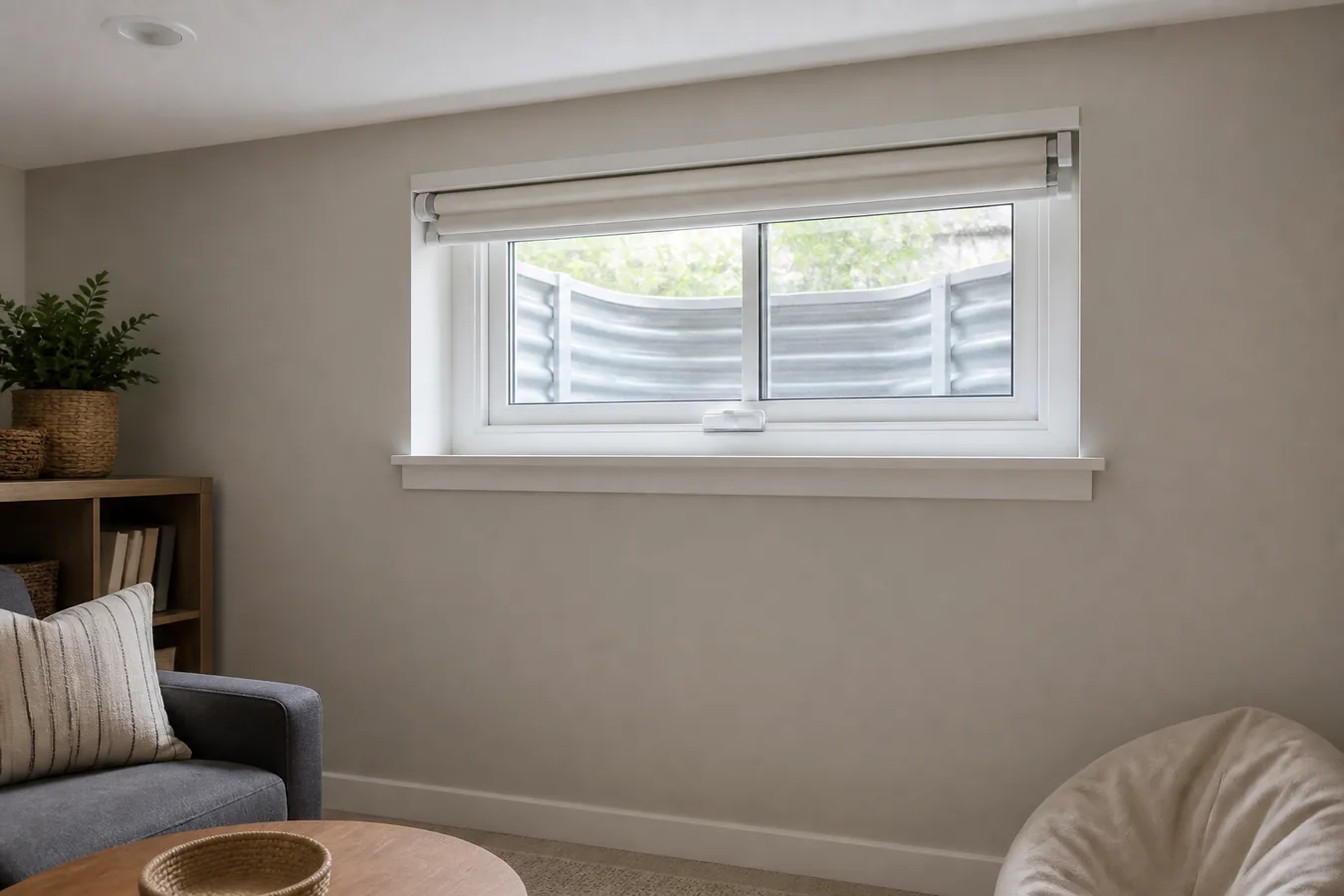
Basement Blinds: Keep the Window Clear to Open
Classify the window's escape, ventilation or daylight job, then check privacy sightlines, condensation, stack and controls before choosing basement blinds.
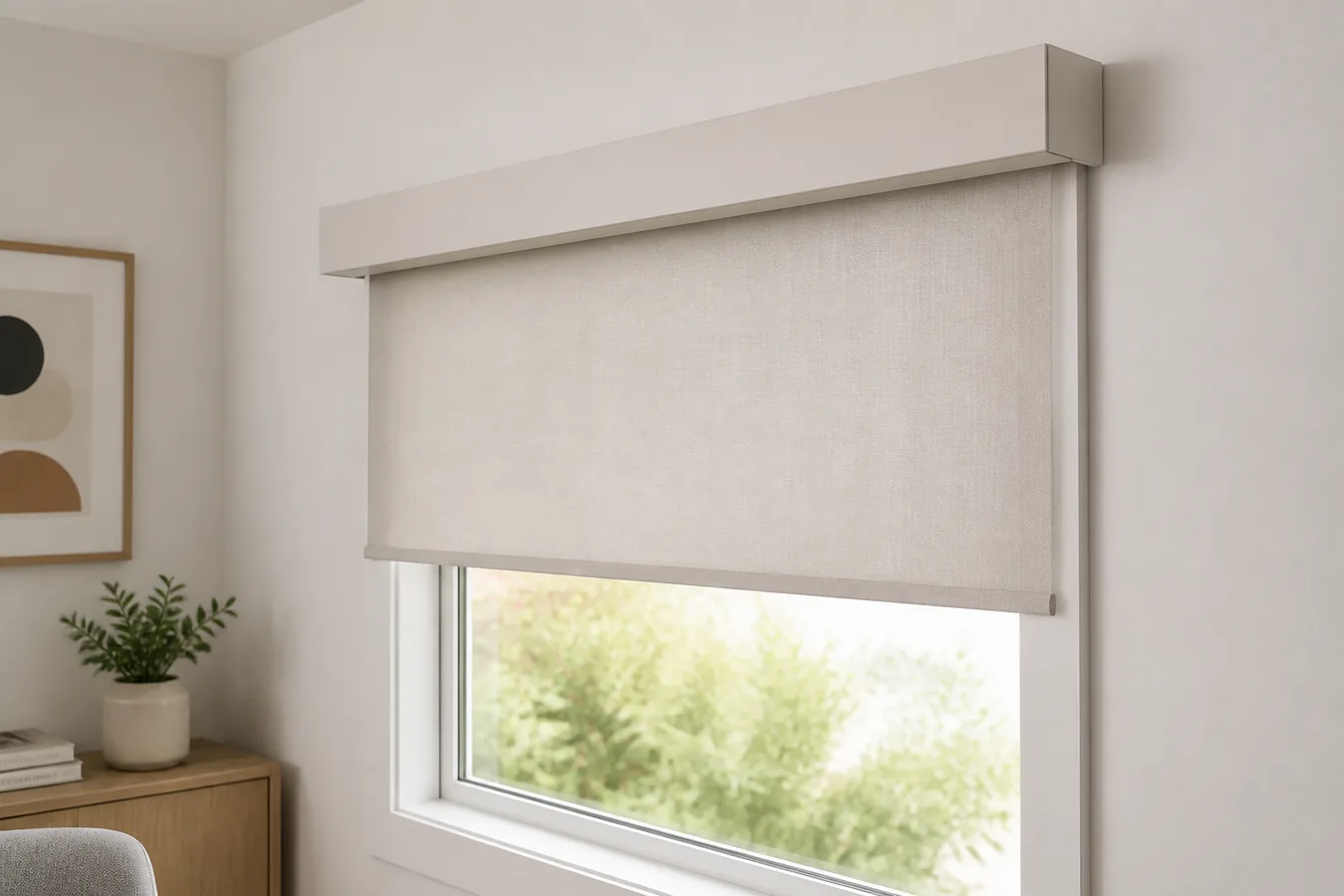
Cassette Roller Shades Hide the Roll—but Add a Box
Compare exposed rolls, fascias, cassettes and pockets, then check housing depth, fabric drop, side gaps, controls and release access before ordering.
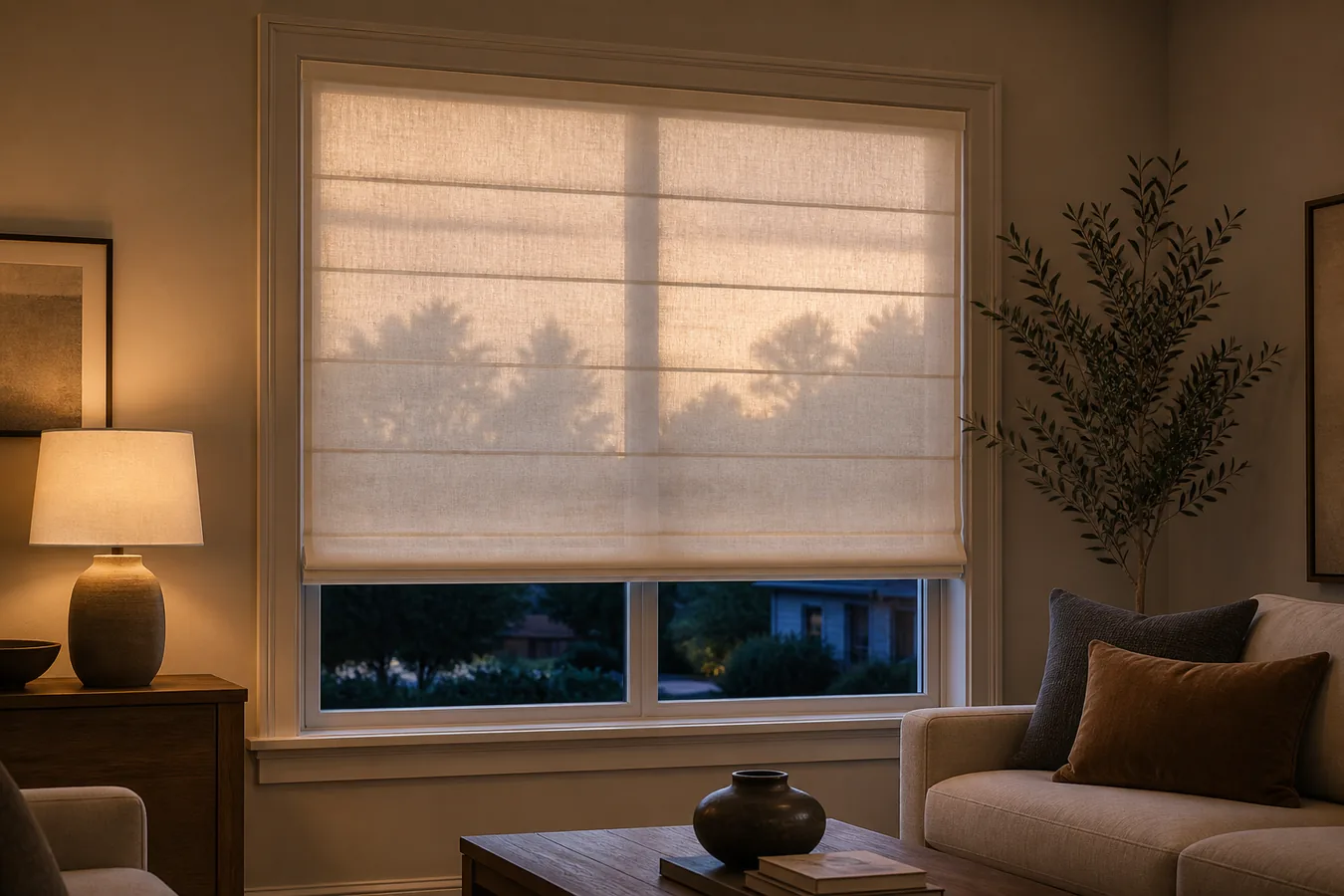
Sheer Roman Shades Need Two Privacy Views
See how lighting direction, unlined fabric, fold overlap and rear lift hardware change a sheer Roman shade, then choose a liner or separate privacy layer.
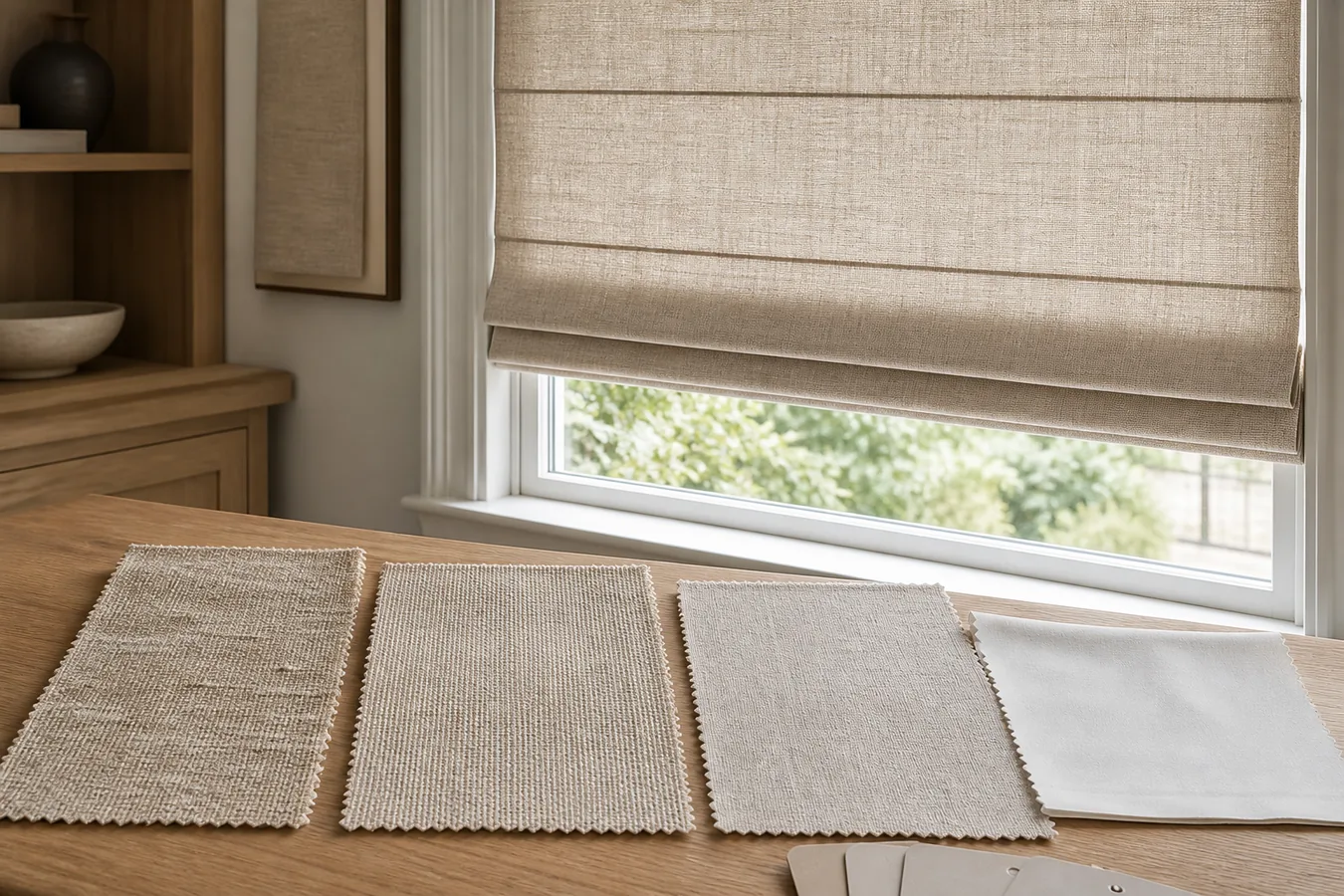
Linen Roman Blinds Need a Fabric Spec, Not a Color Name
Learn whether “linen” means fiber, blend, or look, then verify weight, lining, folds, care, and finished-shade variation before ordering a Roman blind.

Day and Night Cellular Shades Depend on the Middle Rail
See how the top, middle and bottom rails divide two cellular fabrics, then verify open glass, panel order, stack, fit and control before ordering.
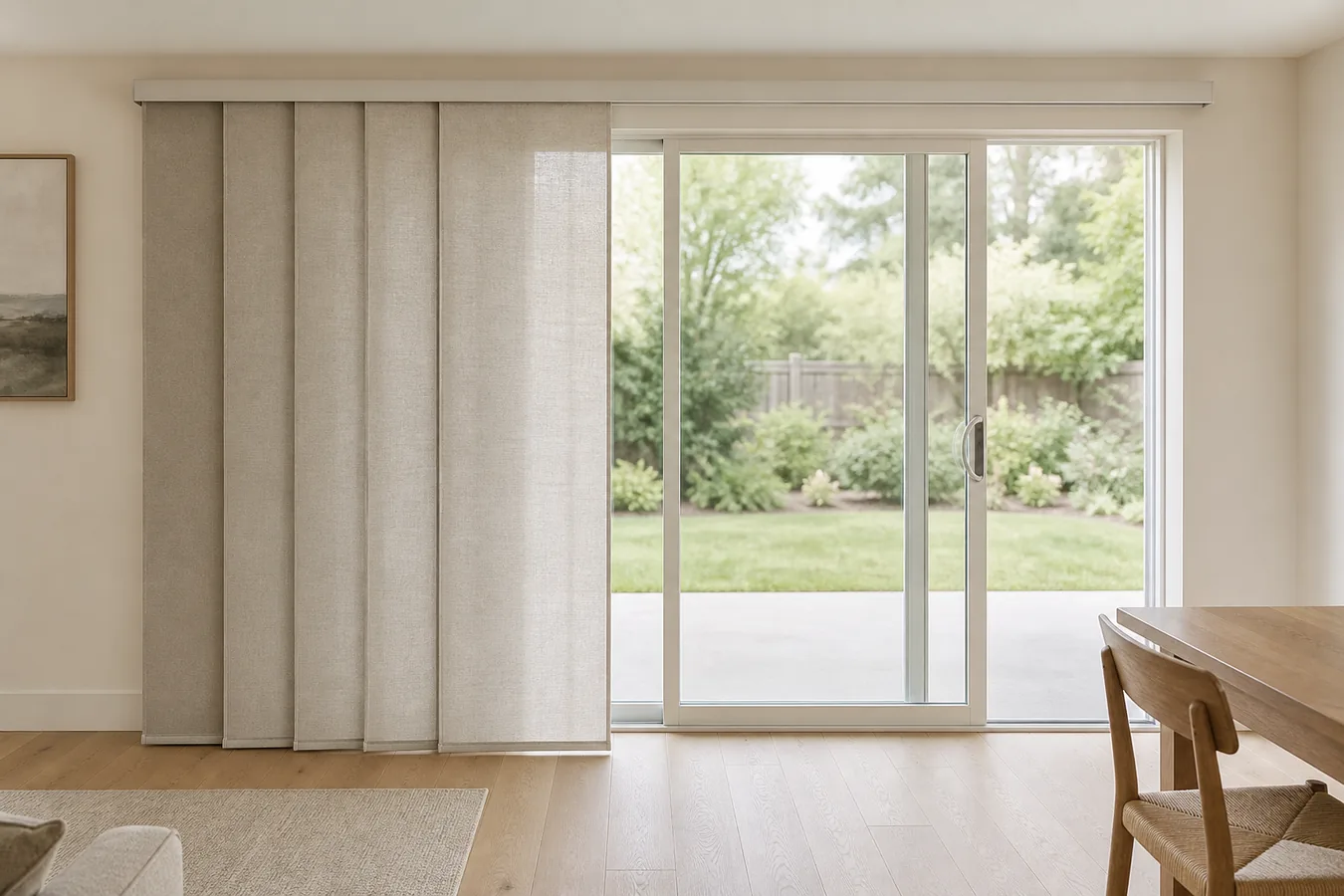
A Panel Blind Still Needs a Place to Stack
Map the active door, track lanes, panel overlap and parked stack before choosing a panel blind, then verify mount depth, control and service access.
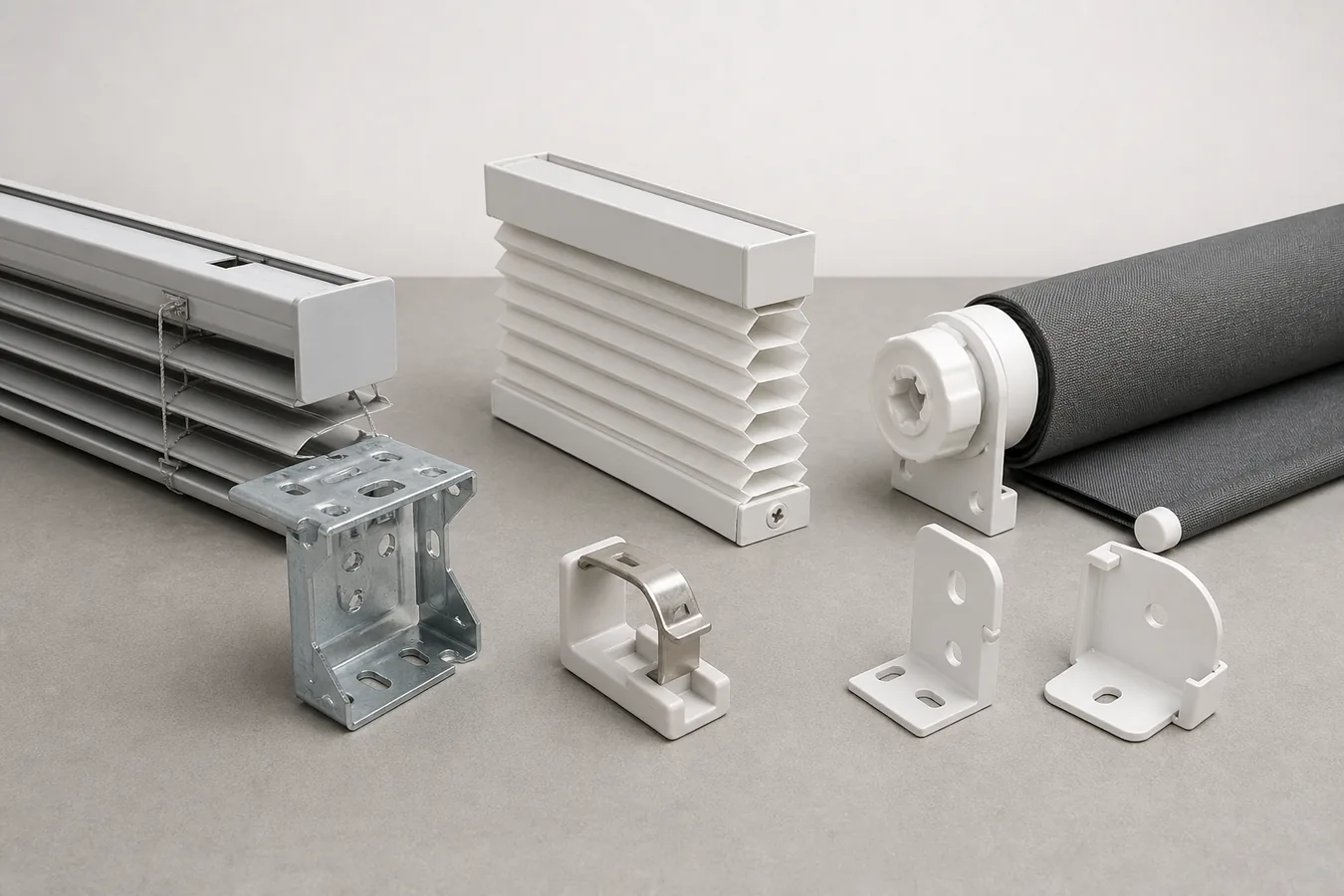
Blinds Mounting Brackets: Match the Headrail Before You Buy
Identify the blind, headrail or roller-end interface, handed parts, mount direction and exact part number before buying replacement mounting brackets.